


Rental Property Pest Prevention: An Owner Guide
A rental property pest prevention plan combines easy resident reporting, qualified assessment, building repairs, clear service responsibilities, and documented follow-up. Owners should connect pest-service findings with maintenance tasks, follow applicable local requirements and provider instructions, and verify outcomes before closing a case. Keep cost-allocation questions separate from coordinating the necessary response.

Build a rental property pest prevention plan before the next complaint
A rental property pest prevention plan gives an owner a repeatable way to receive reports, inspect conditions, arrange appropriate service, correct building defects, and confirm results. The important question is not simply whether somebody visited the property. It is whether the reported problem was identified, the agreed work happened, and the next person knows what to do if activity continues.
Consider a resident who sees insects beside a kitchen sink. An owner may immediately order a general treatment, while the maintenance team separately schedules a plumbing repair. If neither assignment refers to the other, the service provider might return to the same damp cabinet next month. A coordinated plan puts the observation, assessment, repair, treatment decision, and follow-up in one case. Each task still goes to the person qualified to perform it.
This guide is for U.S. rental-property owners who want to organize that coordination. Its suggested forms, review intervals, examples, and budget calculations are management tools, not national legal standards or treatment instructions. State and local requirements, the lease, building conditions, and professional recommendations determine the actual obligations and response. Do not use a planning checklist to postpone an urgent condition or to override a pesticide label.
The useful result is a short operating document backed by good records. Residents should know how to report a concern without needing to name the pest. Staff should know who receives it. Providers should receive the relevant history and return usable findings. Owners should see which building corrections remain open. A plan that achieves those things can be simple enough to maintain through changes in residents, staff, and vendors.
Start with a prevention framework and clear boundaries
The U.S. Environmental Protection Agency describes integrated pest management as a combination of identification, monitoring, prevention, and appropriate control decisions. For an owner, the practical lesson is to require an assessment and a reason for the proposed response. A treatment calendar by itself does not explain what was found or whether conditions improved.
Keep the technical pest-management plan with a qualified provider. Your owner plan should describe how decisions and work are coordinated: intake, access, approvals, repair assignments, resident instructions, invoices, and outcome review. This distinction prevents an administrative employee from accidentally becoming the person who chooses a chemical or declares an infestation resolved. Ask the provider to explain technical recommendations in language that the responsible manager can use.
Set boundaries on authority before a case occurs. For example, a manager may be allowed to schedule an inspection under an approved contract but need owner approval for a substantial exclusion project. A maintenance technician may repair an authorized cabinet leak but should not move pesticide stations without direction. A resident should receive a reporting channel and appropriate preparation instructions rather than a broad request to apply products independently.
Put exceptions beside the ordinary process. The plan should say who handles a report outside office hours, who can authorize urgent professional assessment, and who takes over when the primary manager is unavailable. Use job roles as well as names so the document survives turnover. Review access and contact details when a provider changes; an accurate workflow with a disconnected phone number is not an operating plan.
Define the property and the areas the plan covers
Create a property profile before writing service instructions. List the buildings, unit identifiers, shared rooms, storage areas, waste locations, and exterior spaces that the owner controls. Include any relevant association or third-party responsibilities. A single-family rental may have a detached garage and an owner-retained shed. An apartment building may have shared utility chases and a waste enclosure. Neither situation should be reduced to an address alone.
Use a simple diagram when it helps staff describe locations consistently. Mark entrances, refuse areas, utility rooms, and other relevant access points with ordinary labels. The purpose is reliable communication, not a technical survey. A provider should be able to distinguish the north storage room from a resident's closet without relying on a memory of a phone call. Restrict detailed access information to the people who need it.
Record what cannot be inspected during a routine visit. An attic, crawl space, locked enclosure, or neighboring property may require separate permission, equipment, or specialist involvement. An incomplete inspection should be described as incomplete. Do not convert a provider's inability to enter an area into a finding that the area is clear. Give each limitation a next action or an explicit reason no further action is being taken.
Update the profile after construction, ownership changes, or a change in waste service. A new utility penetration can make an old inspection map inaccurate. A relocated dumpster changes the area staff need to review. This property profile also helps compare proposals, because each bidder can see the same intended coverage. Keep it separate from resident personal information so a useful site document can be shared without distributing unnecessary private details.
Make resident reporting easy and specific
A resident should not have to diagnose an insect before requesting help. Offer an ordinary maintenance channel and an alternative if that channel is unavailable. Ask for the location, time noticed, approximate pattern, and a photo if it can be taken without disturbing the area. Accept a report without a photo. A person may not be able to capture a moving pest, and a missing image should not become a reason to ignore the request.
A useful intake message is: Please tell us where you noticed the activity, when you first noticed it, whether it is continuing, and whether you can safely share a photo. Please also tell us about any related leak, damaged screen, or door gap you have noticed. The manager can then ask follow-up questions suited to the report. Avoid a long form that makes an initial request harder than necessary.
Separate the resident's observation from your interpretation. Write that the resident reported small dark particles beneath the sink rather than recording a confirmed rodent infestation before assessment. Similarly, a report of bites is a report requiring attention, not a reliable identification by itself. Preserving the original description helps the provider evaluate the concern and keeps later records from repeating an unsupported conclusion as established fact.
Acknowledge receipt and explain the next step that is actually scheduled. Name the contact person and tell the resident how to add information or report a change. Do not promise a guaranteed elimination date before assessment. If access or appointment confirmation is still pending, say so directly. Clear status messages reduce the chance that a resident assumes a silent ticket means the owner considers the problem unimportant or already resolved.
Triage reports without turning the intake team into technicians
Give the intake team a short escalation guide approved for the property. Its purpose is to route concerns, not prescribe treatment. A report involving a possible pesticide exposure, an immediate safety concern, or an area that cannot be used safely needs the appropriate urgent channel. A routine sighting still needs a named recipient and a documented next action. Do not rely on a universal response clock copied from another property's handbook.
Ask the qualified provider and relevant local advisers to help define categories appropriate to the building. Categories might distinguish new observations, continuing activity after service, possible building entry points, and concerns about a completed application. Keep those categories understandable. A receptionist should not need to identify species, assess a chemical, or decide whether a legal threshold has been met before forwarding the report.
Record when the report arrived, who reviewed it, and what happened next. If an inspection is delayed because access could not be arranged, keep the attempted contact and the revised plan. Do not close the issue simply because a scheduling attempt was made. A visible pending-access status tells the owner that the reported condition has not yet been evaluated and allows someone to resolve the obstacle.
Review misrouted cases as a process problem. If reports repeatedly go to landscaping because they mention the yard, change the routing instructions. If staff confuse pest service with wildlife removal, clarify which provider assesses each concern and when another specialist is needed. The goal is a dependable handoff. A short guide that staff can apply consistently is more useful than a detailed document that nobody consults during a busy afternoon.
Inspect conditions with an observation checklist
An owner inspection checklist should focus on observable conditions and the limits of the visit. Start with the reported location, then note related areas the provider recommends reviewing. Write down what was visible, what was inaccessible, and what needs a separate work order. Do not direct untrained staff into hazardous spaces, behind energized equipment, or onto roofs to complete a checklist. Access and competence determine the safe scope of any inspection.
Useful observations include the condition of a door sweep, a damaged screen, a visible plumbing leak, a waste-container lid, or a gap around an accessible pipe. The record should describe the location precisely enough for a repair team to find it. A close photo may show the defect, while a wider photo establishes where it is. Avoid photographing resident belongings more broadly than the assignment requires.
Use neutral descriptions. Instead of saying that the resident caused the problem, record the particular condition, the date, and the professional findings available. A single visit rarely establishes a complete causal history. Repairs and appropriate service can be scheduled while responsibility is evaluated through the applicable process. Keeping observations separate from blame also makes it easier to recognize building defects that need correction regardless of the eventual cost allocation.
End the visit with an assignment list. Each item needs a responsible role, a proposed next step, and a completion check. A photo folder full of defects does not tell anyone which work is approved. If the provider recommends a further inspection, record who schedules it. If a maintenance repair is needed, open that work order and connect it to the pest case so the two activities remain visible together.
Keep food, water, shelter, and building repairs on the same work list
EPA's pest-control guidance emphasizes removing food, water, and shelter opportunities and correcting entry points. An owner can translate that principle into a coordinated work list without prescribing a treatment. For example, a recurring kitchen concern may require both a provider assessment and a plumbing repair. The assessment does not make the plumbing assignment disappear, and the repair does not establish that professional follow-up is unnecessary.
Create separate tasks when different trades are involved. One task might be to assess activity near the sink. Another might be to identify and repair the source of moisture in the cabinet. A third might be to evaluate an accessible opening after the plumbing work. Assigning them separately makes authority clear, while linking them under the same case preserves the overall purpose. Ask providers to flag dependencies before scheduling.
Use completion language that describes results. Repaired supply connection and verified no visible leak during the agreed operating check is more informative than maintenance completed. If a technician could not reproduce the condition, keep that finding and the next monitoring instruction. Do not require someone to certify more than they actually observed. A reasonable record shows both the work performed and the limits of the check.
During owner review, look for assignments that remain open after the service invoice is paid. A contractor's visit may be complete while a building correction is still pending. Keep the pest case open or maintain an explicit linked follow-up until the unresolved items are addressed. This is especially important when a recurring invoice makes the account look active even though the same repair recommendation has been carried forward for several visits.
Organize kitchens and utility areas around practical access
Kitchens and utility areas often involve several responsibilities at once: resident housekeeping, owner-maintained equipment, plumbing, ventilation, and provider access. Avoid sending a general instruction to clean everything. Ask the provider which areas need to be accessible for the proposed inspection or service and communicate that scope. A specific request to clear an identified cabinet for a scheduled repair is easier to understand than an undefined demand to prepare the entire home.
Coordinate preparation with the actual appointment. If a service date changes, tell the resident whether the original preparation is still needed. Do not leave someone maintaining an empty kitchen cabinet indefinitely because the manager has not confirmed a return visit. When preparation is difficult, ask what practical assistance or alternative scheduling can be arranged through the appropriate process. Record the accommodation request privately and involve the responsible manager.
After equipment is moved, assign responsibility for putting the area back into its intended condition. A pest provider may not be contracted to reconnect an appliance or repair a panel removed by another trade. Identify those boundaries in advance. A maintenance visit should not create a new gap, damaged seal, or inaccessible service point while resolving the original concern. Check the relevant work rather than assuming every provider saw the entire sequence.
Use turnover inspections to establish a clear baseline for these areas. Record accessible cabinet conditions and any outstanding repair before a new resident moves in. This is not proof that future activity cannot occur. It is a dated condition record that helps the next manager compare new observations with earlier findings. Store it in the property file with a clear date and scope rather than burying it among unrelated marketing photos.
Manage waste areas as shared operating spaces
A waste area can involve the owner, residents, a collection company, cleaners, and an association. Write down who handles container damage, missed pickups, loose refuse, and bulky-item requests. Include the escalation contact for each. Otherwise a broken lid may be reported to a cleaner who can remove litter but cannot replace the container. The condition then returns because the person with the correct authority never received a specific assignment.
Inspect the service arrangement as well as the physical space. Is the collection schedule understood? Is access available when the truck arrives? Is there a procedure for overflow after a holiday or a missed collection? These are operating questions, not assumptions about any resident. Where a recurring problem appears, compare actual records with the intended service before changing fees, adding notices, or purchasing additional containers.
Make resident instructions clear and compatible with the collection provider's rules. Explain where routine waste belongs, how bulky items are scheduled, and where to report a damaged container. Avoid publishing internal access codes or private contractor details on a general notice. If the instructions change, replace the old version so residents are not choosing between conflicting signs. Keep a dated copy in the management file.
Check whether the correction actually happened. A work order to replace a lid should end with confirmation of the replacement, not merely an email sent to the collection company. A request for an extra pickup should have a collection outcome. When an issue falls outside the owner's control, record the contact and the follow-up plan. That makes the limitation visible without pretending the condition has been resolved.
Coordinate exterior observations with appropriate specialists
An exterior review can identify maintenance questions without becoming an instruction to seal every opening. Record damaged screens, apparent gaps, drainage concerns, and other accessible conditions for assessment. Building ventilation, drainage, fire protection, and wildlife considerations may affect the correct repair. Ask the appropriate professional to specify materials and methods. A generic tube of sealant should not become the default answer to every visible space around a building.
Keep grounds work and building work distinct. A landscape crew may report vegetation against a structure but may not be qualified to evaluate an opening in the wall. A pest provider may recommend exclusion while another contractor must perform a compatible repair. Ask for a clear handoff that states the location, recommended objective, and any limitations. The owner can then approve a defined assignment rather than an ambiguous note to fix the outside.
Plan access for detached structures and owner-controlled storage. A locked shed may be omitted from routine service unless the contract and appointment explicitly include it. Give the provider the information needed for authorized access without sharing credentials more broadly than necessary. If inspection cannot occur, keep the area listed as pending. Do not describe the whole property as inspected when the visit covered only the occupied interior.
After exterior work, review the result in the context of the original recommendation. Ask whether the repair addressed the identified condition and whether further observation is needed. Preserve before-and-after evidence where appropriate. A neat finish is useful, but appearance alone does not demonstrate that the intended exclusion or building repair was achieved. Obtain the responsible professional's explanation when the technical result is not apparent from a routine visual check.
Handle rodent concerns with a specific safety handoff
A suspected rodent problem needs assessment, appropriate exclusion or control, and a safe cleanup plan. Do not treat cleanup as an ordinary housekeeping assignment without reviewing the conditions. The CDC's rodent-cleanup guidance says not to sweep or vacuum rodent urine, droppings, or nesting materials because that can put contaminated material into the air. Give the cleanup task to someone equipped and prepared for the actual situation.
The owner file should identify who assesses the activity, who evaluates entry points, and who handles contaminated materials. These may be different providers. Ask whether the extent of the condition requires additional precautions or specialist work. Do not copy a short online checklist into a work order and assume it covers every attic, ventilation system, or heavily affected area. Follow the current public-health guidance and the qualified provider's scope.
Record observations by location and date so follow-up can distinguish old findings from new activity. A photograph of an area before safe cleanup can support the case history, provided it is taken without disturbing material or entering an unsafe space. After the authorized work, record what was completed and what remains inaccessible. The purpose is traceability, not asking a resident to collect evidence that requires unsafe handling.
Keep resident communication specific to the assignment. Explain who is coming, the areas involved, and the instructions supplied by the responsible provider. If the resident reports a health concern, direct them to an appropriate healthcare professional rather than offering a diagnosis. Keep medical information out of general maintenance notes. The management role is to coordinate the property response and access while the relevant professionals address health and technical questions.
Give suspected bed bugs a separate case pathway
Do not force a suspected bed bug report into a generic monthly service ticket. Ask for a qualified identification and a coordinated plan. EPA's bed bug guidance emphasizes that control takes planning and follow-up. An owner should make sure the responsible provider's instructions, access arrangements, and return checks remain connected. Avoid promising that one visit or one product will resolve an unassessed report.
Use careful language while identification is pending. Record what the resident noticed and what the provider confirmed. Avoid calling a home dirty or blaming belongings based on a suspected sighting. Such assumptions do not supply a usable treatment plan and can discourage reporting. The manager needs accurate information, access, and cooperation. A neutral case record supports those goals and leaves responsibility questions to the applicable evidence and requirements.
Preparation instructions should come from the provider for the actual service. Check that the resident received the current version, knows the appointment, and has a contact for questions. If the instructions cannot be followed as written, resolve that issue before assuming a visit can proceed. Record agreed arrangements rather than treating a generic instruction sheet as proof that every person could comply with it.
Ask how the provider will evaluate progress and what findings would lead to a different response. Keep the next inspection date and any recommended adjacent-area review visible to the manager. In a building with shared spaces, coordinate through the appropriate property process without broadcasting one resident's private case to everyone. Close the case only under the agreed review standard and preserve a clear route for reporting renewed activity.
Use pesticide information as an accountability record
When a provider recommends a pesticide, request the product information and service instructions relevant to the job. EPA advises reading and following labels and keeping products in their original containers. Owners should not improvise stronger concentrations, mix products, or suggest an outdoor product for indoor use. The administrative plan should require the responsible applicator to provide the information needed for occupants and management to follow the authorized instructions.
Keep the service report in a location where the manager can retrieve it when a question arrives. Ask for the product name, relevant registration information, application locations, and the provider's written directions as applicable. A vague invoice saying pest treatment may be insufficient for a later inquiry. Make documentation expectations part of the service agreement so the provider knows what records management needs before the first visit.
Separate instructions about entry, preparation, cleaning, and follow-up from marketing language. If a resident asks whether an area can be used, refer to the actual written directions and obtain clarification from the provider when needed. Do not substitute a manager's memory of a previous product. Different jobs can involve different instructions, and a familiar company name does not establish that every application is the same.
Handle leftover products and containers through the relevant label and local disposal guidance. Do not leave unidentified materials in an owner closet for the next technician. When a contract ends, reconcile equipment, stations, and any products that remain under the provider's control. Record who is responsible for removal or transfer. The goal is an orderly property handoff with no uncertainty about materials left in spaces used by residents or staff.
Choose a provider using an equivalent scope
Start a proposal request with the property profile, the concern to be assessed, intended coverage, access limitations, and documentation expectations. Ask each provider to state what the price includes and what requires separate authorization. A quote for a basic inspection cannot be compared directly with a proposal that includes repairs and scheduled follow-up. The owner needs equivalent information before deciding which option fits the property.
Verify the licensing, insurance, and other qualifications that apply to the actual work and jurisdiction through the appropriate sources. Keep the verification date and scope in the vendor file. Do not assume a general business registration establishes qualification for every pesticide application or building repair. If a proposal includes subcontractors, ask who performs each task and who is responsible for their work, access, and documentation.
Ask how recommendations will be explained. A useful report distinguishes observations, identification, proposed actions, owner repair items, and follow-up. Request an example with private information removed if that helps assess the reporting quality. Also ask how continuing activity is handled, how return visits are priced, and which conditions fall outside the contract. Clear exclusions prevent an owner from mistaking a narrow service promise for comprehensive coverage.
Price matters, but evaluate it against the actual assignment. A lower recurring fee can be less useful if required inspections, reports, or return visits are separate and unbudgeted. Conversely, a larger package may contain work the property does not need. Ask for the rationale and compare the total expected scope. Record why the selected proposal was chosen so a later manager can understand the intended service arrangement.
Write a service scope that can be checked
A checkable scope states the covered locations, assessment objectives, authorized work, excluded work, communication method, and required closeout. Avoid phrases such as full pest protection unless the provider defines them precisely. If the agreement includes recurring visits, ask what happens during each visit and how findings change the plan. A calendar entry should correspond to identifiable work rather than serving as the entire description of the service.
List repair recommendations separately from repairs included in the price. An inspection may identify a door defect without authorizing the provider to replace the door sweep. That distinction belongs in both the contract and the case notes. Ask for recommendations in enough detail that the appropriate repair contractor can evaluate the assignment. If further assessment is needed, record that dependency rather than turning an initial suggestion into a final specification.
Define approval boundaries for extra work. The provider should know who can approve an additional visit, a different treatment, or an exclusion project. Give the manager an escalation route when the owner is unavailable. Include a requirement to communicate unexpected conditions before proceeding beyond the agreed authority, subject to the actual contract and applicable requirements. Clear boundaries make it easier to respond promptly without creating avoidable disputes about authorization.
Specify closeout evidence appropriate to the task. This may include findings, product information, completed work, limitations, resident instructions, and the next recommended check. Do not demand a guarantee that the provider cannot reasonably give. Ask instead for the assessment and outcome measures that support their recommendation. The owner should understand what the report establishes, what remains uncertain, and what event would trigger another review.
Schedule access and communication as real tasks
Access coordination deserves its own checklist. Confirm the correct unit, the authorized appointment process, required notices, the provider's arrival contact, and any preparation instructions. Follow the lease and applicable entry requirements. A service ticket is not a substitute for the required access procedure. When a resident cannot accommodate a proposed time, record the communication and arrange the next appropriate step through the responsible manager.
Keep keys, codes, and sensitive access instructions out of broad email chains and public-facing notes. Share only what the assigned person needs through the approved channel. If a provider changes technicians, confirm that the replacement is authorized under the service arrangement. A familiar company logo does not eliminate the need for a reliable access handoff. Update temporary access arrangements when the visit ends, according to the property's established process.
Preparation and reentry messages should reflect the current written instructions for the actual service. Include a way to ask questions before the appointment. If the provider changes the scope, review whether the resident communication must change too. A message sent for an earlier plan should not be treated as sufficient for a different application. Preserve the version supplied so management can later establish which instructions were communicated.
After the visit, tell the resident the relevant next step without overstating the result. An inspection completed, findings pending message is different from a treatment completed with follow-up scheduled message. Ask the provider which ongoing observations are useful and communicate them clearly. Do not close the conversation by saying the problem is solved merely because the appointment occurred. The record and the resident message should describe the same status.
Track repairs and pest service through one case
Use one case identifier for the report and link separate work orders beneath it. The case can contain the original report, provider findings, repairs, resident messages, invoices, and follow-up. This does not require specialized software. A structured folder and a simple status log can work if the team uses them consistently. The important feature is that someone reviewing the case can see the complete sequence without searching unrelated mailboxes.
Choose statuses that reveal what is pending. Report received, inspection scheduled, awaiting access, repair approved, service completed, follow-up pending, and closed after review are useful examples. Adapt them to the actual workflow. Avoid a single completed status that conceals whether only the invoice was entered or the condition was reviewed. Every open status should have a responsible person and a next action.
Keep dated notes concise and factual. Record what happened, who provided the information, and where supporting documents are stored. If a resident disputes a finding, preserve both the finding and the response rather than overwriting the history. A later reviewer needs to understand the sequence. Corrections should identify what changed and why, especially when a preliminary identification or appointment plan was revised.
Review open cases before changing providers or managers. List pending visits, unresolved repairs, access issues, and promised resident follow-up. Confirm which contractor owns each remaining task. An orderly handoff prevents a newly assigned manager from restarting an assessment without recognizing work already performed. It also reduces the chance that a resident must repeat the entire report because the original contact left the team.
Keep cost allocation separate from immediate coordination
Who pays for pest-related work can depend on jurisdiction, lease language, the condition, and the evidence. Do not apply a national rule based on the number of days since move-in or on an assumption that all indoor pests are a resident's responsibility. Confirm applicable requirements with a qualified local adviser. A clear process can arrange appropriate assessment and necessary work while financial responsibility is evaluated separately.
Preserve the evidence relevant to that evaluation without turning every maintenance message into an accusation. Keep the move-in condition record, dated reports, professional findings, repair history, lease provisions reviewed, and advice obtained. An invoice establishes a charge for work; it does not necessarily establish who legally owes it. Avoid presenting a provider's general opinion about responsibility as a substitute for the applicable legal analysis.
If a charge is considered, use the property's approved review and communication process. Explain the factual basis and relevant documents, and handle questions through the responsible manager. Do not invent penalties or add a fee because a report was inconvenient. A resident should have a reliable reporting channel regardless of whether a cost question later arises. Early, accurate reporting is valuable to the property's response.
Apply decisions consistently and keep exceptions documented. Where a resident requests assistance, accommodation, or review, route it appropriately and protect private information. The pest case should show operational progress without becoming a general file of sensitive personal details. Separating the service response, legal review, and accounting decision makes each easier to verify and reduces the chance that an unresolved payment dispute silently stalls a necessary property assignment.
Build a budget from actual scope and explicit assumptions
Prepare the budget with separate lines for routine service, assessments outside the contract, building repairs, specialist work, and follow-up. Use current local proposals rather than a national average that does not match the property. Record what each estimate assumes: covered buildings, visit count, access, repair allowance, and exclusions. When the assumptions change, revise the forecast so the owner can see why the expected cost changed.
For a simple hypothetical example, suppose an owner receives a proposal for six planned visits at $140 each and separately budgets $650 for assessed building repairs. The planning total is six times $140, plus $650, or $1,490. Those figures are invented arithmetic inputs, not market prices or a recommended service frequency. The useful practice is making the components visible so the owner can compare the proposal with the actual intended work.
Now suppose the contract excludes a particular specialist assessment. Keep that exclusion visible rather than assuming the repair allowance covers it. Obtain a quote if the need arises and revise the forecast. Similarly, do not spend an allowance merely because it exists. Authorize work based on findings and the property's approval process. A budget is a planning tool, not evidence that every listed activity is necessary.
Review actual spending by case and by work type. A recurring total can conceal repeated visits to the same unresolved condition. Conversely, one substantial building repair may explain a temporary increase without indicating that routine service is failing. Match costs to the documented findings and outcomes. The owner can then ask better questions about scope, prevention, and provider performance instead of judging the program solely by the largest invoice.
Use meaningful performance measures
Choose measures that describe the workflow and the condition, not merely the number of visits purchased. Useful owner measures may include unresolved cases, pending building repairs, repeat reports at the same location, missed appointments, incomplete reports, and follow-up checks still due. Define each measure so staff count it consistently. A repeat report should have a clear meaning rather than changing depending on who prepares the monthly summary.
Acknowledge that reporting volume needs context. More reports may reflect a better reporting channel, a seasonal pattern, a continuing problem, or a change in occupancy. Do not claim that a lower ticket count proves the property is free of pests. Compare reports with inspection findings, access records, and the provider's assessment. The measure should prompt investigation rather than substitute for it.
Track unresolved recommendations by age and responsible role. This helps distinguish provider follow-up from owner repair delays or access problems. If a provider repeatedly recommends a correction that management has not authorized, the performance discussion should include that fact. If reports lack the detail needed to evaluate outcomes, address documentation expectations. A fair review looks at the whole work sequence and assigns improvements to the appropriate party.
Keep the review short enough to perform regularly. A one-page summary can identify the main open cases, spending changes, repeated findings, and decisions needed. Attach the supporting records instead of reproducing every service note. End with specific assignments. A monthly dashboard that repeatedly states monitor situation without naming a person, location, or next review provides little practical control even if its charts look polished.
Create a turnover checkpoint without making unsupported guarantees
Before a new tenancy, review the property's pest-related case history, open repairs, provider recommendations, and accessible conditions. Confirm that authorized work is complete and that unresolved items have a documented plan. A fresh coat of paint or a professional cleaning receipt does not answer every pest question. The turnover checklist should connect the physical review with the actual history rather than treating the vacant home as a blank record.
Ask the provider what inspection or follow-up is appropriate to the known conditions. Keep the scope and limitations in writing. Do not request a broad pest-free certificate unless the provider explains exactly what that statement means and can support it. A dated inspection finding is useful evidence, but it is not a promise that no future pest can enter or be introduced.
Document relevant accessible areas with clear dates and locations. Keep resident information from the previous tenancy out of the material supplied to a new resident unless disclosure is required or otherwise appropriate under the applicable process. Review local disclosure requirements with the responsible adviser. Do not assume one state's bed bug notice or another city's inspection procedure applies throughout the United States.
Give the incoming resident current reporting instructions and any relevant property-specific guidance. Explain how to report a leak, damaged screen, or suspected activity. Make sure the management contact is current. This handoff is an opportunity to establish a cooperative process, not to ask the resident to sign away obligations that cannot lawfully be transferred. Keep the signed documents and condition record through the property's approved retention process.
Plan seasonal reviews around the property, not a universal calendar
A seasonal review can help an owner revisit conditions and service needs, but the timing should reflect the actual property and qualified local guidance. Climate, building type, occupancy, and known history differ. Do not copy a national calendar that assigns the same treatment to every rental. Ask the provider what observations matter locally and how those findings should affect the service plan.
Use ordinary maintenance events as review opportunities. A roof repair, plumbing replacement, landscape change, or waste-service change can alter the information in the property profile. Ask the responsible contractor to identify relevant openings or access changes within their scope. When a project ends, update the diagram, repair record, and provider instructions if needed. The prevention plan should reflect the building as it now exists.
For a suggested owner routine, schedule a brief planning review before a locally relevant high-concern period and another after major property work. These are administrative suggestions, not mandatory inspection intervals. The review can check contact details, open cases, contract coverage, and pending repairs. It should not create unnecessary applications or visits without a reason. Use findings and appropriate professional advice to determine actual work.
Keep a short annual change log. Note which procedures changed, what prompted the change, and which documents were replaced. This helps a new manager distinguish current instructions from an old attachment. A seasonal reminder is useful only if the team can locate the current plan and apply it. Remove obsolete copies from active use while preserving historical records according to the property's retention practices.
Work through a single-family rental example
Imagine a resident reports repeated insect sightings near the laundry room. The manager acknowledges the report, asks for the precise location and timing, and arranges an assessment through the authorized provider. The resident also mentions an intermittent drip. The manager records both observations without assuming they have the same cause. One case links the provider assessment and a separate plumbing work order.
The plumber finds a repairable connection issue and documents the work and operating check. The pest provider identifies the reported activity and recommends a response suited to the findings. Any entry-point recommendation is described for the appropriate repair contractor. The manager coordinates access and supplies the resident with the provider's current instructions. Each person works within the assignment rather than assuming another trade has handled every part.
After the visit, the manager reviews the reports. The plumbing repair is complete, but an exterior repair requires a separate quote. The pest case therefore remains open with that item assigned and a follow-up date recorded. The manager tells the resident what has been completed and how to report continuing activity. An invoice payment does not automatically close the case while a related recommendation remains unresolved.
At the agreed review, the provider evaluates the outcome and the manager confirms the repair status. The case closes under the documented review standard, with an easy reporting route if activity returns. This example does not predict a treatment result or establish legal responsibility. It shows how an owner can avoid losing the connection between a report, technical assessment, building work, resident communication, and evidence of completion.
Work through a shared-building example
Now imagine reports arrive from two units near the same utility room. Keep separate resident communications but connect the relevant operational information for the provider. The manager asks for an assessment of the reported locations and any related areas within the authorized scope. Do not conclude that one unit caused the other report simply because the dates are close. The provider's findings should guide the next technical questions.
The property profile helps identify shared access and responsibility. A utility room may be owner-controlled, while an adjacent enclosure belongs to an association. The manager contacts the appropriate party and records any access limitation. If a shared-space repair is recommended, it receives its own assignment and approval. The provider report should explain which locations were inspected and which were not, so the owner understands the limits.
Resident messages explain the relevant appointment and instructions without identifying another household's private situation. If broader communication is appropriate or required, use the responsible review process and accurate wording. A building notice should not contain an unverified cause, a medical claim, or a promise that the issue cannot recur. Keep the message focused on reporting, access, and the actions occupants need to understand.
The owner review then looks at the connected cases, shared repair, and provider follow-up together. This prevents a manager from closing each individual ticket while overlooking a common unresolved assignment. At the same time, the record should not erase differences between units or assume identical findings. Coordinated management means sharing relevant operational context with authorized people while preserving the accuracy and privacy of each individual case.
Prepare a practical owner checklist
Use this checklist as a starting point and adapt it to the actual property. It is a management review, not a pest identification or treatment protocol. Assign a person to maintain it and put the current version where the team can find it. Every checked item should correspond to a document, decision, or observable result rather than a general intention.
- Identify the buildings, shared spaces, storage areas, waste locations, and responsibility boundaries covered by the plan.
- Confirm the resident reporting channel, alternative contact, and after-hours routing procedure.
- Keep the approved provider's contact, applicable qualification verification, scope, exclusions, and documentation requirements current.
- Record observations separately from confirmed findings and avoid unsupported assumptions about cause or responsibility.
- Link provider assessments with plumbing, building, waste-service, or other repair assignments.
- Confirm access procedures and communicate the current preparation and reentry instructions supplied for the actual service.
- Track pending recommendations, continuing activity, follow-up checks, and incomplete access explicitly.
- Review completion evidence before closing a case, and preserve a clear route for a new report.
When the checklist exposes a missing item, assign it rather than checking the box provisionally. If the contract scope is unclear, ask the provider for clarification. If responsibility is uncertain, identify who will review the applicable requirements. If an inspection was incomplete, preserve the limitation. A useful checklist makes uncertainty visible so someone can resolve it.
Review the checklist after a difficult case. Ask which handoff failed, which information arrived too late, and which instruction was misunderstood. Make a small, specific improvement and explain it to the team. The objective is not a longer form after every complaint. It is a process that becomes easier to use and more reliable as the property accumulates real service history.
Use a case log that exposes the next decision
A useful case log can fit on one page. Start with a case number, property identifier, report date, reported location, and assigned manager. Add a short description in the resident's own terms, followed by the assessment status. Keep the provider's confirmed findings in a separate field. This prevents a preliminary description from quietly becoming the diagnosis that every later contractor copies into an invoice.
Next, list the active assignments in ordinary language. For example: provider assessment scheduled; plumbing inspection awaiting resident confirmation; exterior repair quote requested; follow-up date to be set after findings. Each line should identify the person responsible and the next expected event. If a date changes, retain the reason. Do not erase a missed visit from the record simply because a replacement appointment has been booked.
Reserve a space for decisions requiring approval. A manager might need authorization for a repair outside an existing contract, clarification of a provider exclusion, or advice about an access issue. Put the actual question in the log. Owner review needed is less actionable than approval requested for the attached door-repair scope. The decision maker should be able to identify the choice without reconstructing several conversations.
Finally, record the closeout basis. Identify the findings reviewed, repair evidence received, follow-up performed, limitations remaining, and resident communication sent. If a separate long-term project remains open, link its record and explain how it will be tracked. Closing an immediate service case should not make that project disappear. The log needs to show where responsibility went, even when different work is managed on different schedules.
Test the form by handing a completed example to someone who did not manage the case. Ask them to explain the original concern, confirmed findings, completed work, and any remaining assignment. If they cannot do so, improve the form or the notes. This simple review evaluates the usefulness of the record without adding a new software platform or requiring staff to write a narrative report after every routine message.
Questions owners often need answered quickly
What belongs in a rental property pest prevention plan?
Include the covered property areas, resident reporting channel, assessment and escalation process, provider scope, repair responsibilities, access procedure, service records, and follow-up criteria. Keep technical treatment decisions with qualified professionals. The owner document should show who coordinates each step and how completion is checked, including unresolved building recommendations and a clear way to report continuing activity.
Is a recurring pest-control visit enough?
A recurring visit is one part of a service arrangement. Review what it includes, what findings are recorded, and how repairs or additional assessment are handled. Ask the provider to explain how progress is evaluated. An invoice or calendar entry alone does not establish that the reported condition was identified, the necessary building work occurred, or follow-up is complete.
Should an owner wait to identify who pays?
Use the appropriate local process to evaluate financial responsibility, but keep that review separate from coordinating necessary assessment and property work. Obligations can depend on applicable law, the lease, and the facts. Preserve dated evidence and seek qualified advice where needed. Do not use a blanket assumption about resident responsibility to leave a reported condition without a next action.
How should continuing activity after service be handled?
Reopen or continue the existing case, record the new observation and location, and contact the responsible provider under the agreed follow-up process. Check whether recommended repairs and access arrangements were completed. Do not order a stronger product or create a disconnected ticket automatically. The provider needs the previous findings and service history to evaluate what should happen next.
Key takeaways for rental-property owners
- A rental property pest prevention plan works through clear reporting, assessment, assignments, and outcome review.
- Keep observations separate from identification, and keep cost allocation separate from immediate coordination.
- Link pest service to relevant building repairs so an invoice does not conceal unresolved work.
- Use provider instructions for the actual service and follow applicable access, label, and local requirements.
- Close cases based on the agreed review standard, with limitations and future reporting instructions preserved.
Start with the part of your process that currently creates uncertainty. If reports disappear between the office and provider, repair the handoff. If service occurs but building recommendations remain open, add linked repair tracking. If residents receive conflicting instructions, establish a current version and a named contact. One clear improvement can make the next case easier to manage without adding unnecessary complexity.
Frequently asked questions
Can I use one prevention plan for every rental I own?
You can use a common administrative template, but each property needs its own coverage, contacts, access details, known conditions, and applicable requirements. A detached home and a shared building may need different coordination. Ask the provider to review the actual site. Keep the template consistent where useful while making the property-specific assignments and limitations explicit.
What if a resident cannot identify the pest?
Accept the report and arrange the appropriate assessment. Ask for a description, location, timing, and a photo if it can be taken safely, but do not require a diagnosis before responding. Record the resident's observation separately from professional findings. This preserves useful information and avoids turning an uncertain sighting into an unsupported confirmed identification in the property record.
Should maintenance staff handle rodent cleanup?
Only assign work that the person is prepared and equipped to perform under the actual conditions. Review current CDC guidance and obtain appropriate professional direction, particularly for extensive contamination or difficult spaces. Do not treat rodent waste as ordinary dust. The owner should identify a safe cleanup scope and responsible provider rather than relying on a general housekeeping request.
Does an inspection prove a rental is pest-free?
An inspection provides findings for the locations, conditions, and time covered by its scope. It does not establish that every inaccessible space was examined or that future activity cannot occur. Keep the report's limitations and recommendations. Use the findings to guide the next decision, and retain a practical channel for residents to report a new concern.
How much should an owner budget?
Use current local quotes for the actual property and scope. Separate routine service, additional assessments, building repairs, specialist work, and follow-up. Record exclusions and assumptions, then compare actual spending with the associated cases. A national estimate or another owner's contract may not reflect your coverage, access conditions, or repair needs. Revise the budget when the scope changes.
What records should stay with a completed case?
Keep the original report, dated findings, authorized scope, relevant repair records, resident instructions, service documentation, and follow-up outcome. Include unresolved limitations and the reason for closure. Store access credentials and sensitive personal information separately with appropriate restrictions. A later manager should be able to understand what was done without reconstructing the case from private messages or memory.
When should the plan be updated?
Review it when providers, managers, contacts, property conditions, or responsibilities change, and after a case reveals a process gap. Construction and changes to shared spaces may also require updates. Use a dated current version and retire obsolete instructions from active use. The appropriate inspection and service schedule should come from the property's needs and qualified local guidance.
Make the next report easier to manage
A rental property pest prevention plan should help people act on accurate information. Choose a clear reporting route, connect assessment with building repairs, and make follow-up visible. If you would like to discuss how pest-related coordination fits into your broader rental-property management needs, contact ExploreRPM. Ask about the needs of your property and the arrangements available before assuming a particular service is included.
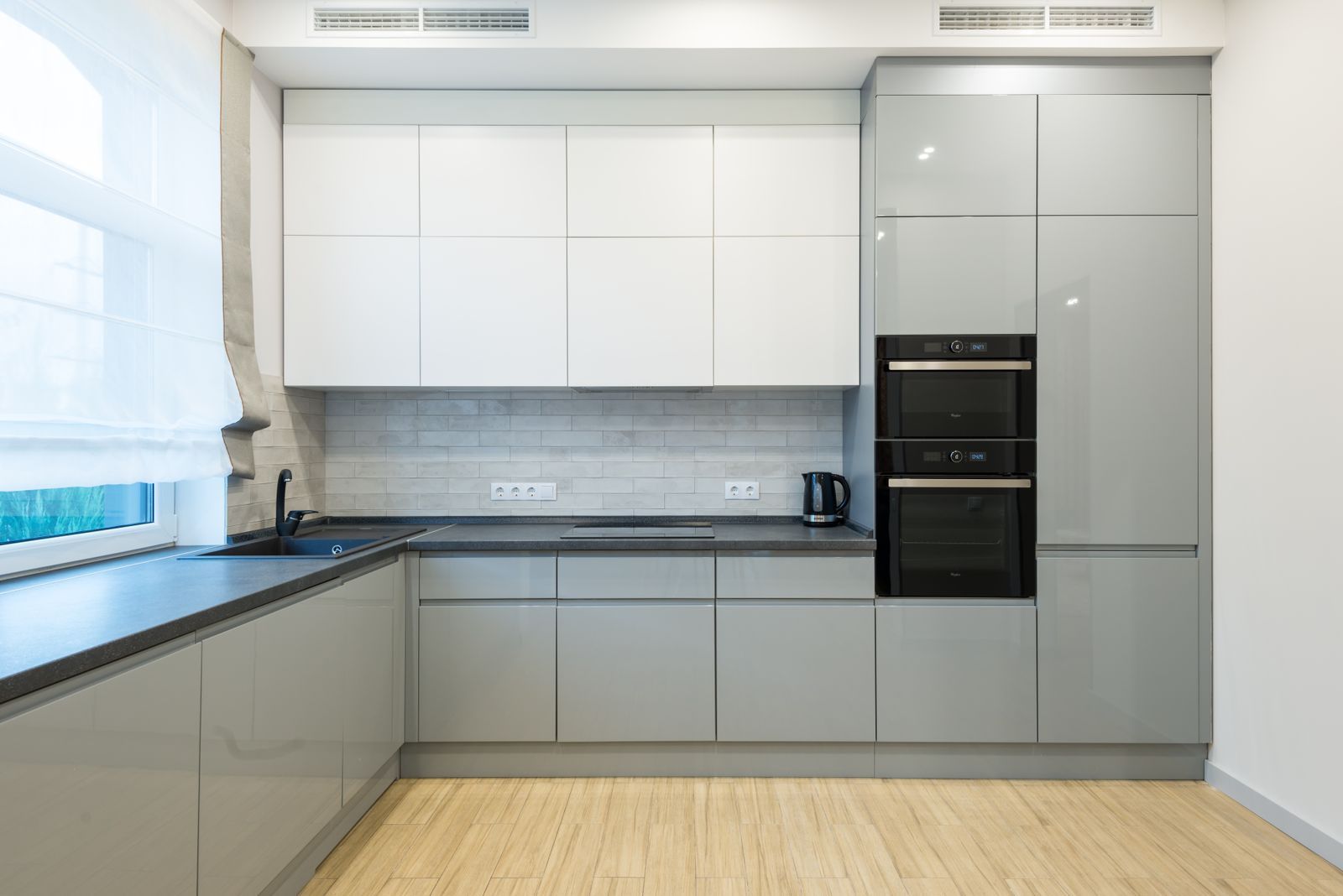
Photo: Maria Orlova on Pexels, used under the Pexels License. This illustrative kitchen photograph does not depict a reported pest condition or an ExploreRPM-managed property.
Contact ExploreRPM
Email: support@explorerpm.com
Phone: 512-865-4019
Blogs