

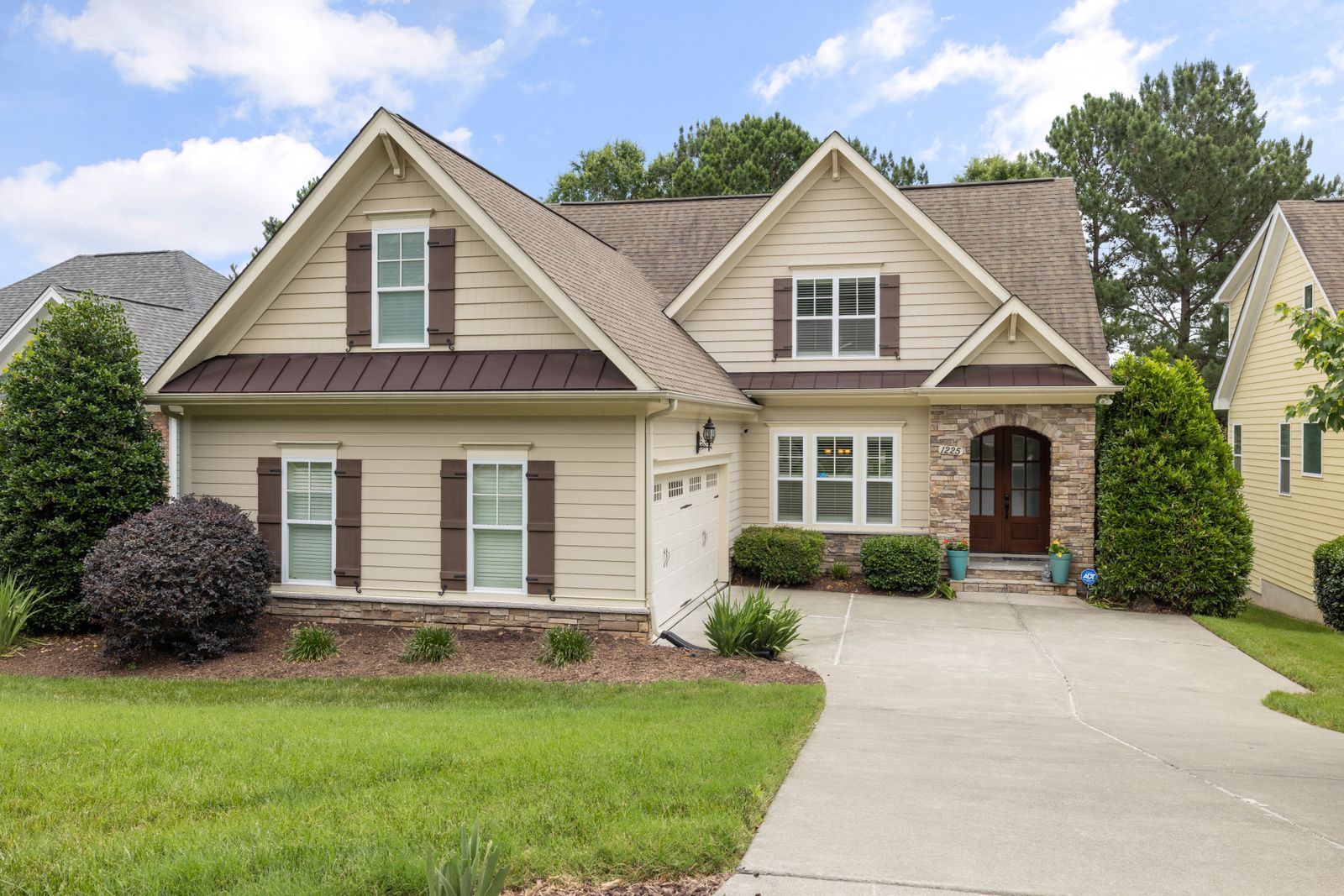



Rental Property Capital Improvement Plan for Owners
A rental property capital improvement plan organizes major building projects by condition, urgency, cost, timing, and funding. Start with a documented property assessment, separate immediate obligations from discretionary upgrades, obtain comparable scopes, and maintain a rolling multiyear budget. Update the plan after inspections, completed work, significant price changes, and new information about the property.

Build a rental property capital improvement plan around decisions
An owner can have a long list of desirable projects and still lack a workable capital plan. A useful plan connects each proposed expenditure to a specific building condition, a practical decision date, a funding source, and a person responsible for moving it forward. Its value comes from making the next decision easier while preserving an honest picture of future demands on cash.
Begin with the questions you actually need to answer. Which conditions require prompt professional attention? Which projects can wait for an appropriate vacancy or weather window? What evidence would justify replacing a component that still operates? How much money will be available when the work becomes necessary? A plan that answers those questions is more useful than a polished renovation wish list.
This guide offers an owner-focused framework for organizing that work. The schedules, scoring methods, and numerical examples are suggested planning tools. Replace their assumptions with the property's actual condition, qualified assessments, local requirements, contract terms, and current written estimates. A spreadsheet can support the process, although a small property may be managed effectively with a concise project register and a well-organized folder.
Set a planning date and a clear scope. Identify whether the plan covers one home, a small multifamily building, shared exterior components, or a portfolio. Include the systems and spaces the owner is responsible for under the actual ownership and operating arrangements. Record exclusions so that someone reading the plan understands the limits of its coverage and the assessments that remain outstanding.
The final product should support action at several levels. It should show the immediate decision queue, the next year's likely cash needs, and the longer-term projects that deserve observation or funding. It should also show uncertainty. An unresolved condition can materially affect timing and cost, so give that condition a visible place in the plan and assign a next step.
Define the project before assigning a budget category
Owners often use capital improvement as a broad business term for substantial, longer-lived work. Accounting and tax treatment require a separate review of the actual facts. Keep the operational description precise enough that an accountant can understand what changed, which component was affected, and how the expenditure relates to other work performed at the property.
For federal tax purposes, IRS Publication 527 explains that improvements generally must be capitalized and describes betterments, restorations, and adaptations to a new or different use. It also discusses repairs, depreciation, and other rental-property expenses. Use the current applicable guidance and your tax professional's review when classifying actual expenditures. The project's size or its internal budget label alone does not settle the treatment. See IRS Publication 527.
For planning, describe work in ordinary language before choosing a category. Replace a deteriorated exterior stair assembly is more informative than exterior upgrade. Investigate recurring bathroom leakage and define the corrective work gives a more useful instruction than bathroom renovation. The description should reveal the condition, the intended outcome, and any unresolved question that prevents a reliable scope or estimate.
Give related work separate lines when the decisions differ. A necessary plumbing correction and an optional vanity upgrade might occur in the same room, yet have different urgency, funding logic, and approval requirements. Linking their project numbers preserves coordination and gives the owner a clear view of the choices available when approving the underlying corrective work.
Keep the accounting classification field provisional until reviewed. The project register can include a business purpose, an anticipated planning category, and a reference to the eventual accounting determination. That arrangement allows the owner to organize cash needs early while preserving the factual record needed for later professional review. Retain the original scope and approved changes, because the completed work can differ substantially from the initial idea.
Create a component inventory that reflects the actual building
Start with the building's major components and the records already available. Useful source material may include prior inspection reports, installation invoices, warranties, service records, equipment labels, drawings, permit documents, and photographs. Record where each fact came from. A documented installation date deserves a different level of confidence from an approximate age mentioned during a conversation.
Use component groups that match the property. Common groups include roofing, drainage, exterior walls, windows, doors, heating and cooling equipment, water heating, plumbing, electrical systems, interior finishes, paved areas, and shared amenities. Add components that are genuinely present. Remove irrelevant categories so that the inventory remains practical to update and accurately reflects the building being evaluated.
For each component, record location, quantity or extent, identifying information, known installation history, observed concerns, available documentation, and the next assessment step. If several components differ materially in age or condition, give them separate entries. Combining three different water heaters into one average-age line can conceal which unit needs attention and distort the timing of future expenditure.
Distinguish observation from diagnosis. An owner might document staining, repeated service calls, unusual noise, visible damage, or resident reports. Those observations can justify a professional assessment. Preserve the original report and add the qualified findings when available, allowing later decisions to be traced back to their evidence. The technical assessment should explain the cause and remedy to the extent supported by its scope.
Keep the inventory accessible to the people who need it while limiting access to sensitive information. Detailed equipment information, resident communications, and entry arrangements may require more careful handling than a general project summary. Share the relevant material with each bidder. A clear inventory improves scope development while supporting careful handling of the property's operating records.
Establish a condition baseline with qualified assessment
A baseline gives the capital plan a starting point. Review the available records, identify the components with uncertain condition, and arrange the appropriate professional assessment. The type of provider depends on the issue. A general inspection, a trade evaluation, and an engineering investigation answer different questions. Define the question before purchasing an assessment so that its deliverable supports the decision you need to make.
Ask the assessor to explain the observed condition, the limitations of the assessment, practical options, and the circumstances that would change the recommendation. Where appropriate, request photographs or other supporting documentation. A statement that a component should be monitored becomes more useful when it specifies what to watch, who should evaluate changes, and how an owner should respond to a new concern.
Age can help organize questions and anticipate future demands, alongside condition, service history, installation quality, exposure, and operating circumstances. An older component may warrant careful assessment, while a newer component with a significant defect may require prompt work. Let the evidence inform timing and use generic life estimates as provisional planning inputs subject to property-specific review.
Record what could be assessed and where limitations remain. Inaccessible areas, concealed conditions, missing documents, and limitations on testing can affect the reliability of both the scope and budget. Assign a follow-up step when the uncertainty matters. A limited inspection can still be useful if the plan clearly states its boundaries and explains what additional information is needed before committing substantial funds.
Close the baseline exercise with a short decision meeting or written review. Identify the projects requiring action, those needing more information, and those that can remain under observation. Assign owners and target dates for the next steps. The assessment becomes operationally valuable when its findings enter the project register and funding discussion, giving the owner a route from evidence to action.
Separate urgent conditions from planned upgrades
A capital planning process should have a route for conditions that need immediate attention. When a report suggests a safety issue, active damage, or interruption of an essential service, follow the property's response procedure and obtain appropriate professional help. Determine applicable obligations and resident protections for the actual jurisdiction. Current problems need their own timely response and resolution process.
After immediate concerns are addressed, divide remaining projects into useful decision groups. One group may contain work necessary to maintain reliable operation. Another may include replacement planning for components with increasing uncertainty. A third may hold discretionary improvements intended to improve usability, durability, or market presentation. Use categories that explain why the project exists and what would happen if it were deferred.
For every deferral, document the reason and a review trigger. The trigger might be a scheduled assessment, a new service finding, a change in observed condition, or the approach of a suitable project window. Name the person responsible for reviewing that trigger. A deferred project remains part of the plan, with a visible next decision and responsibility for tracking it.
Consider resident impact separately from the owner's financial preference. Work can affect access, noise, utilities, dust, parking, storage, and the ordinary use of a home. Appropriate planning requires attention to the lease, applicable law, the scope of work, and the provider's safety arrangements. Consult qualified local advice when those requirements are uncertain, especially for occupied work or potentially hazardous materials.
Write the priority explanation in a few direct sentences. Describe the evidence, the consequence of delay, and the proposed next step. This narrative often reveals more than a numerical ranking. If the rationale for a project's position is unclear, obtain better assessment or clarify the objectives before the budget discussion. A reader should be able to understand why the proposed sequence fits the property's needs.
Use a transparent priority method
A simple scoring system can help compare planned projects, provided its limitations remain visible. Choose a small number of criteria that reflect the property. Possible criteria include current condition, consequence of failure, effect on residents, coordination opportunities, and confidence in the estimate. Define what each score means so that different reviewers apply the system consistently.
Keep urgent obligations on their appropriate response track. A score can organize discretionary review, while qualified findings and actual obligations guide necessary action. Use the register to make those distinctions visible before discussing which optional projects fit the remaining budget. The method should help reviewers recognize the difference between a required response and a choice about timing or features.
Add an evidence-confidence field. A high-cost project supported only by a vague observation deserves investigation. A project with a clear scope, current estimates, and documented condition can be evaluated more directly. Confidence helps identify where missing information affects the apparent ranking. Assign an assessment task when uncertainty prevents a defensible comparison between competing projects.
Review competing projects together. Replacing a finish before related work behind it can create avoidable rework. Coordinating projects may improve sequencing, yet a large combined package may exceed available funds or complicate occupied work. Record the dependency and consider smaller workable phases. The purpose of prioritization is to choose a feasible sequence with known consequences.
Retain the reason for ranking changes. A newly discovered condition, a changed estimate, an approved resident arrangement, or a supplier delay may justify moving a project. A short dated note makes the plan understandable later. It also preserves continuity when several people participate in review and when a previously discussed option becomes the subject of a new approval request.
Build an estimate from a defined scope
An early planning allowance and a contractor's project price serve different purposes. Label the estimate stage clearly. A rough allowance can identify a possible funding challenge, while an approved project needs enough scope detail to support a decision. Include the source and date of each estimate so that reviewers understand which figures have been refreshed for the current annual budget.
Break the scope into understandable work elements. Describe the component, location, quantities where known, intended performance, demolition or removal, installation, protection, cleanup, and completion documentation. Identify exclusions and owner decisions that remain open. The more clearly a bidder understands the intended outcome, the easier it becomes to compare proposals and recognize meaningful differences in what they include.
Ask how concealed conditions will be handled. Some projects cannot be fully defined before opening an area or performing additional investigation. A proposal should explain assumptions, allowances, and the process for authorizing additional work. Consider whether a separate diagnostic phase would reduce uncertainty enough to justify its cost. Record the remaining exposure in the budget using an appropriately qualified estimate.
Include costs beyond the visible installation. Depending on the project, relevant items may include design, assessment, permits, testing, disposal, access equipment, protection of adjacent areas, temporary arrangements, and closeout requirements. Determine which items belong in the contractor's scope and which the owner must arrange separately. Confirm local requirements with the appropriate authority and project professionals.
Refresh an estimate when its assumptions change. A different material, a longer work window, a change in quantities, or newly identified conditions can affect both cost and timing. Preserve the prior version for comparison, then update the current decision document. A useful estimate history explains why the budget moved and what information supports the revised amount.
Compare proposals on a common basis
Prepare a scope summary that every prospective contractor receives. Include the same available condition information and the same requested deliverables. If a bidder raises an important question, share the resulting scope clarification with the other bidders where appropriate. Comparable information makes the review fairer and helps the owner identify whether price differences reflect a different understanding of the work.
The Federal Trade Commission recommends checking licensing and insurance, obtaining multiple written estimates, and examining meaningful differences among proposals. Its consumer guidance also emphasizes a written agreement and careful attention to payment and contract details. Apply those screening principles to the project and verify applicable requirements locally. See FTC guidance on home improvement scams.
Build a comparison sheet with scope, materials or performance requirements, exclusions, schedule, payment milestones, warranty terms, and required completion documents. Add a column for unresolved questions. A proposal that omits disposal, permits, or required protection may need clarification before its price can be compared with a more complete offer. Record answers in writing and incorporate material agreements into the contract.
Evaluate capacity as well as price. Ask who will supervise the work, how schedule changes are communicated, and which parts may involve subcontractors. Understand the process for resident coordination and access. The right questions depend on the project, but they should reveal how the contractor intends to deliver the agreed result under the actual conditions at the property.
Save the selection rationale. It may explain that one proposal had a more complete scope, a more workable schedule, or better documented qualifications for the work. A concise rationale helps future reviewers understand the choice. It also creates a reference point if the project later changes, because the owner can compare the revised arrangement with the reasons that supported the original approval.
Create a complete project budget
A project budget should distinguish the base contracted amount from owner-managed expenses, allowances, contingency, and potential operating impacts. Keep these lines separate so that changes can be understood. Clear categories reveal whether an increase came from expanded scope, a known allowance, an unexpected condition, or a scheduling decision with additional consequences for the property.
Use hypothetical arithmetic to test the structure before inserting real estimates. Suppose a project has a base amount of $12,000, separate assessment and permit-related costs totaling $1,000, and an owner-selected contingency of $2,000. The illustrative cash requirement is $15,000. These example figures demonstrate a budgeting method. Obtain actual estimates and choose a contingency based on the specific project's uncertainty and circumstances.
Track approved changes against the original budget. If a documented change adds $800, identify whether it uses contingency, replaces another item, or requires additional owner funding. Update the current total and preserve the approval. The funding view should reflect commitments already made and the uncertainty still remaining, allowing the owner to see the effect on other planned work.
Consider timing within the budget. A deposit, progress payment, and final payment may fall in different months. Owner-managed work can have its own payment schedule. Map the expected cash outflows to the contract and actual procurement plan. An annual total can look affordable while the first month's obligations exceed available cash, especially when multiple projects overlap.
Include a clear approval limit and a change process. Identify who can authorize work, what supporting information is required, and when the owner must review a revision. Set those arrangements in the actual management and project agreements as appropriate. The capital register should summarize them accurately so that the people coordinating work can act consistently and recognize material approval decisions.
Connect the plan to available cash
A project list becomes a funding plan when it shows how money will be available at the time required. Identify current designated cash, expected contributions, existing commitments, and other available funding arrangements. Keep assumptions explicit. A forecasted operating surplus depends on actual collections and expenses, so show how the plan responds when those expectations change.
For an illustrative reserve exercise, assume an owner targets $18,000 for a future project, has $6,000 already designated, and expects to fund the remaining amount over 24 months. Dividing the $12,000 gap by 24 gives $500 per month. This simplified example leaves interest, changing project prices, taxes, and other withdrawals for separate analysis. Use it to see how the target, balance, and time interact.
Review affordability using the property's actual operating demands, debt service, other reserves, and upcoming obligations. Consider whether the assumed monthly transfer can be sustained during vacancy or a large repair. If the plan depends on several optimistic assumptions occurring together, present that dependence clearly before the owner approves discretionary work. The contribution calculation is one input to a broader cash review.
Assign designated amounts or show a shared funding pool with all expected withdrawals. When a project draws from that pool, update the remaining balance and the funding outlook for later work. This discipline gives the multiyear plan a consistent view of cash available across projects. Review the combined balance before making a new commitment that affects the same funding source.
Review financing choices with the appropriate financial and tax advisers when needed. Compare the actual terms, payment timing, fees, and effect on operating flexibility. The capital plan should document the owner's selected source and any conditions on its use. It should also identify the decision date by which financing must be resolved for the proposed construction schedule to remain feasible. ## Use several planning horizons
A near-term horizon should contain enough detail for action. Show the next assessment, proposal, approval, or scheduling decision for each active project. Keep the list short enough to review routinely. The near-term view should make clear which tasks are waiting on the owner, a provider, a public authority, or additional property information. Assign a follow-up date to those dependencies.
An annual horizon connects projects to the operating calendar and funding forecast. It can show likely work windows, anticipated payments, and dependencies among projects. Update it as information changes. A project expected in the third quarter may need earlier design or procurement, so include preparation tasks along with the month when installation is expected to occur.
A multiyear horizon identifies likely future demands and the evidence needed to refine them. Use ranges or provisional timing where appropriate. A component with uncertain condition may belong in a watch category with an assessment date, while a documented replacement need can have a more defined funding target. Explain which distant dates depend on future findings and which represent firmer commitments.
Connect the horizons through project identifiers. The same roof project should carry the same identifier in the component inventory, annual budget, contractor folder, and closeout record. When timing changes, update the active plan without losing the history. This continuity becomes particularly helpful when multiple properties, management staff, or advisers are involved in reviewing the work.
Set review intervals that fit the property's complexity and activity. A small stable property may need a different routine from a building with several active projects. Add event-driven reviews after significant inspections, unexpected damage, major estimate changes, and completed work. The plan should remain current enough to support decisions while keeping its administrative demands proportionate to the decisions involved.
Plan for occupied work and resident communication
Resident coordination starts during scope development. Ask how the work may affect access, utilities, noise, dust, storage, parking, pets, and use of rooms or shared spaces. Obtain the contractor's proposed work arrangements and review the applicable lease and local requirements. Resolve necessary arrangements before confirming a schedule that assumes access to an occupied home.
Prepare a communication plan with responsibility and timing. Identify who sends notices, who answers questions, who coordinates changes, and how residents can report an unexpected issue. Use accurate information and update it when the schedule changes. Confirm the relevant details with the project team before describing the duration of a service interruption or other disturbance to residents.
Separate resident preferences from formal permissions and required notices. A friendly conversation may help coordination, while the property still needs to follow applicable legal and contractual requirements. Keep the necessary records through the appropriate process. If accommodations or other protected concerns arise, obtain qualified guidance and handle personal information through the property's established confidential channels.
Give the contractor a clear point of contact. Providers should know who can authorize access changes, scope decisions, and responses to unexpected conditions. Residents should know how to raise a concern through the appropriate contact. Clear communication paths reduce conflicting instructions and help keep project decisions documented with the owner or authorized representative responsible for the work.
Include return-to-use arrangements in the plan. Determine who confirms that the affected area is ready, which inspections or other completion steps apply, and what information residents need afterward. Provide operating instructions where relevant. Physical installation may be followed by cleanup, testing, documentation, or final coordination before ordinary use resumes. Give those steps their own responsibility and timing.
Review permits, hazards, and project requirements early
Identify which authorities and professionals should be consulted for the actual work. Permit requirements, contractor qualifications, inspections, and other obligations depend on jurisdiction and scope. Assign responsibility for confirming these requirements and obtaining necessary approvals. Record the result in the project folder so that the schedule and budget reflect actual requirements and the specific process applicable to the work.
Older housing can introduce additional planning requirements. EPA's Renovation, Repair and Painting program addresses lead-safe requirements for covered work in pre-1978 housing and child-occupied facilities. Review applicability, exemptions, required qualifications, work practices, and occupant information with qualified professionals before affected work begins. State or local programs may also matter. See EPA's lead renovation program.
Let the appropriate professionals determine technical precautions for suspected hazards and complex conditions. The owner's planning role is to identify the concern, obtain suitable expertise, include required work in the scope, and verify completion documentation. Resolve necessary assessments early enough that decorative choices and scheduling preferences can be evaluated within a sound technical plan for the property.
Put approval dependencies on the calendar. A permit application, design review, utility coordination, or specialized assessment can affect when installation may begin. Ask providers to identify the sequence and expected decision points. Treat uncertain lead times as planning assumptions and update them when the relevant authority or provider supplies better information for the actual project.
Retain evidence of required approvals and inspections with the project record. Ask for the documents specified by the scope and applicable process, then confirm that unresolved items are assigned for follow-up. Define these closeout requirements before work starts. Having a shared understanding of the necessary evidence makes final payment and handoff discussions easier to coordinate and document.
Sequence projects to reduce avoidable rework
Map dependencies before assigning dates. Work behind a wall can affect the timing of finishes. Drainage corrections can affect landscaping. Equipment replacement can require related electrical, plumbing, structural, or access work. Ask the relevant providers to explain the correct sequence for the actual project. Record dependencies in the plan so that separate contractors receive consistent instructions.
Consider shared access opportunities carefully. Two projects may benefit from the same mobilization or work window, but coordination introduces its own responsibilities. Clarify who protects completed work, who controls the site at each stage, and how schedule changes are communicated. Confirm that prerequisite tasks can be completed before scheduling the provider whose work depends on them.
Separate essential phases from optional scope. If a large package exceeds available funding, ask whether it can be divided into sound, complete phases. Each phase should have a usable outcome and an understood transition to later work. Ask the project professionals to evaluate exposed work, safety, protection, and future access when defining an appropriate phased arrangement.
Evaluate the effect of weather and material availability on sequencing. Obtain project-specific advice about suitable conditions and procurement needs. The owner can then align approvals and ordering with a realistic work window. A tentative date in the annual plan needs confirmation against contractor availability, material supply, necessary approvals, and the other conditions that affect the project.
Review the sequence again after any major change. A revised design, a delayed delivery, or a newly discovered condition may invalidate earlier assumptions. Update the affected projects together and communicate the change to everyone responsible for the next step. The register should show the current sequence, while the project folder preserves the reasoning and approvals behind revisions.
Evaluate durability and operating practicality
A material decision should consider the demands of the particular space. Ask how the product is expected to perform under the property's actual use, how it is maintained, what installation conditions matter, and how repairs can be made. Review manufacturer information and provider recommendations for the specified product. Translate general product descriptions into practical questions about the application being considered.
Consider replacement parts and service access. A component that requires specialized parts or unusual servicing can affect future downtime and operating costs. Ask whether ordinary maintenance can be performed with reasonable access and whether documentation will be available to future providers. These questions are especially useful when a proposed design would make later inspection or repair more complicated.
Standardization can simplify operations where properties genuinely have similar needs. Consistent products may make records, spare parts, and service instructions easier to manage. Keep room for project-specific judgment. A product suitable for one building or exposure may be inappropriate elsewhere. Document the reason for a standard and the circumstances that justify a different selection for another property.
Compare the whole work package. A cheaper product can require different preparation, more frequent maintenance, or additional installation labor. A more expensive product may offer features the property has little reason to prioritize. Ask bidders to identify those differences in terms that matter to the owner. Use documented assumptions to compare alternatives across purchase, installation, and expected operating demands.
Retain final product information at closeout. Record model or specification, color or finish where relevant, supplier, warranty, and maintenance instructions. Photograph identifying labels when useful. Future owners and providers should be able to determine what was installed from the project record. Include enough detail to support ordering appropriate replacement parts or arranging service later.
Test the business case with conservative assumptions
A discretionary project needs a clear objective. It might improve usability, reduce repeated service demands, address a documented market disadvantage, or support a longer holding strategy. State the objective before estimating benefits. A project can be worthwhile for several reasons, and the owner should know which expected outcomes justify the expenditure and how those outcomes will be evaluated.
Treat projected rent changes as assumptions requiring local evidence. Review comparable offerings carefully, including differences in location, condition, features, lease terms, and concessions. If the business case depends on a rent increase, show the amount, timing, vacancy assumptions, and costs associated with reaching that income level. Evaluate how well the available evidence supports the projected change in collected income.
An illustrative calculation can reveal sensitivity. Suppose an optional project costs $10,000 and the owner hypothesizes $100 more monthly collected rent with no other changes. The simple annual increase would be $1,200, and cost divided by that increase would be about 8.3 years. A complete investment analysis would also consider vacancy, operating changes, financing, taxes, and the time value of money.
Test a less favorable case before approving the project. What happens if the rent effect is smaller, the work takes longer, or the scope costs more? Identify the assumption that most affects the decision. When a project remains attractive only under an optimistic scenario, the owner may need better evidence, a smaller scope, or a different timing decision.
Document nonfinancial objectives in measurable terms where possible. Improved access, fewer repeated work orders, or easier routine servicing may have operational value, and each can be described through an observable outcome. Set a review date and identify the information needed. This creates a practical feedback loop and allows later experience to inform the next project decision.
Use scenario planning for uncertain projects
A single forecast can hide uncertainty. Build a base scenario using the current best information, then create alternatives around the assumptions most likely to change. A higher-cost scenario might reflect documented scope uncertainty. A timing scenario might move a major project earlier. Keep the variations connected to actual concerns so that the exercise informs practical decisions about the property.
For each scenario, show the effect on available cash and other planned work. If an early replacement consumes funds assigned to a later project, identify the resulting gap. Determine which discretionary work could be delayed and which obligations would still need funding. This view helps the owner prepare a response before a change forces hurried decisions under time pressure.
Separate the probability of an event from its financial consequence. A low-frequency event can still deserve contingency planning if the impact would be substantial. Ask qualified providers about condition-related uncertainty where appropriate. The owner can then decide how to manage the exposure through assessment, funding, scheduling, insurance review, or other arrangements suitable to the property's circumstances.
Record decision thresholds. The owner might decide that a certain revised estimate requires fresh approval or that a new assessment finding triggers an accelerated project review. Use thresholds appropriate to the property and agreements. Making them explicit helps the coordinator recognize when ordinary administration has become a material decision that belongs with the owner or another designated decision-maker.
Update scenarios as uncertainty resolves. A signed contract, completed diagnostic work, or confirmed installation date may narrow the range. Remove outdated assumptions while preserving the earlier decision record. Scenario planning works best as a compact tool attached to the active capital plan, with enough detail to explain the important choices and the circumstances that would change them.
Control changes during construction
Unexpected conditions and owner-requested changes should enter a defined review process. Ask for a written description, reason, price effect, schedule effect, and any associated assumptions. The authorized decision-maker should understand the proposal before approval. If an immediate protective response is necessary, follow the established agreement and document what happened as promptly as the circumstances allow.
Distinguish a scope correction from a new preference. A concealed condition may require additional work to complete the original objective. A different finish or added feature can be a separate owner choice. Both affect the project, and their reasons matter when evaluating budget performance. Labeling changes accurately improves later review and clarifies why the completed scope differs from the original proposal.
Track commitments when approved. Update the project total, remaining contingency, payment forecast, and dependent dates. Retain the approved change with the contract and invoices. The capital plan needs to show the owner's current obligations even while an added work item awaits installation or final invoicing. This provides a reliable basis for the next funding and scheduling decision.
Keep site instructions consistent. If several people visit the property, make clear who may authorize changes. Observations and resident concerns can be routed to the designated coordinator for review. This arrangement gives the contractor a reliable source for decisions that affect scope or cost and preserves a shared record of the directions that change the project.
Review changes for secondary effects. A material substitution can affect warranty, maintenance, appearance, compatibility, or delivery timing. A revised work area can affect resident arrangements or required approvals. Ask the project professionals to identify these consequences before agreeing to the change. The goal is a complete decision record that explains the actual revised project and its practical effects.
Close the project with evidence
Define completion at the start of the project. The scope should identify the intended result, required inspections or testing, cleanup, documentation, and any final handoff steps. During closeout, compare the completed work with that agreement and the approved changes. Assign unresolved items to a punch list with responsibility and target dates, then track them through the agreed process.
Collect the records future decisions will need. Depending on scope, these may include final invoices, product information, warranties, inspection records, approvals, photographs, service instructions, and contractor contact information. Verify that documents correspond to the actual installed work. Complete property and product identification can make later warranty, service, and accounting review more straightforward for everyone involved.
Confirm the process for reporting a problem after completion. Identify the relevant contact, applicable warranty terms, documentation needed, and any maintenance conditions associated with coverage. Record these accurately from the actual agreement. Calendar a follow-up review if it would help identify unresolved performance concerns while the project information remains readily available to the owner and provider.
Update the component inventory. Add installation dates supported by the closeout record, revised specifications, new maintenance instructions, and the location of the project folder. Mark the old component as replaced where appropriate. The completed project should improve the quality of the property's information, allowing the next capital review to begin from a stronger baseline with current records.
Review payment and accounting records separately from the physical walkthrough. Confirm that approved changes, invoices, and payments reconcile through the appropriate process. Supply the factual project package to the tax or accounting professional for classification. Keep the capital plan's actual cost current so that future estimates can use the completed project's evidence with attention to differences in scope and timing.
Learn from completed work
Schedule a brief post-project review after enough operating experience is available to assess the result. Ask whether the original condition was addressed, whether residents or staff have reported new concerns, and whether maintenance requirements match expectations. The review can reveal lessons about product selection, sequencing, or communication alongside the physical outcome of the installation itself.
Compare the approved budget with actual cost using categories that explain the difference. Separate scope additions, concealed conditions, estimate omissions, owner preferences, and timing effects. This review helps improve future planning. Consider both expenditure and outcome when evaluating the result, using the documented reasons for changes to understand how the project developed from its initial scope.
Review the schedule in the same way. Identify which delays came from procurement, approvals, access, weather, scope changes, or other documented causes. Determine what could have been planned earlier and what remained outside the team's reasonable control. Carry practical lessons into the next project brief and set future timing assumptions using the evidence gained from completed work.
Evaluate the usefulness of the records. Could another person understand what was installed, why it was selected, and how to maintain it? Are warranty information and final documents easy to locate? If the answer is uncertain, improve the folder structure and closeout checklist while the missing information can still be obtained from the provider or the people who coordinated the work.
Use actual outcomes to refine the capital plan. Replace provisional estimates with final costs, remove completed work from the active queue, and reconsider related projects. A successful correction may change the need for another project. A finding during construction may introduce new assessment tasks. Reflect these consequences in the next review so that the plan remains connected to current conditions.
Apply the process to a hypothetical small rental
Consider a hypothetical rental home with an aging roof of uncertain condition, repeated service calls for a cooling system, and dated but functional kitchen finishes. The owner begins by gathering records and arranging qualified assessments. The purpose is to determine what work is actually needed and which decisions can reasonably wait, while responding appropriately to any current problems at the home.
The roof assessment identifies a defined corrective task and recommends continued observation of the broader system. The cooling evaluation supports replacement planning with project-specific findings. The kitchen remains a discretionary improvement. These hypothetical findings lead to separate project entries with different decision dates, allowing the owner to see the reason, evidence, and next action associated with each proposed expenditure.
The owner requests comparable cooling proposals, confirms the scope and necessary approvals, and develops a cash schedule. A provisional kitchen budget remains in a later horizon pending better market evidence and available funds. The roof follow-up receives a documented review trigger. Each decision has a responsible person and a next step, making the plan workable while the owner resolves the remaining questions.
Suppose the selected cooling scope has a hypothetical total cash requirement of $9,000 and the owner has $7,000 designated. The plan identifies a $2,000 funding gap before scheduling commitments. These figures illustrate the planning process. The owner would use actual estimates and operating information to determine whether the gap can be covered and how the expenditure affects other obligations.
After completion, the owner records the actual installed equipment, warranties, final cost, and related maintenance information. The plan now shows a completed cooling project, an active roof monitoring task, and a deferred kitchen decision. This outcome demonstrates how a capital plan can improve clarity while supporting a deliberate sequence of decisions that fits the property's condition and available funding.
Build a useful project register
A compact register should contain the fields needed for a decision. Start with project identifier, property or location, component, condition or objective, evidence reference, priority explanation, scope status, estimate source and date, budget, funding source, target window, responsible person, and next action. Add fields when they improve coordination or reporting for the actual property and the people managing it.
Use clear status terms. Assessment needed, scope development, awaiting proposals, awaiting approval, scheduled, in progress, closeout, and completed can describe distinct stages. Define them so that reviewers understand how far a project has progressed. A separate deferred status should include a review date or trigger and the reason for postponement, keeping the future decision visible in the plan.
Link the register to supporting records instead of copying every detail into one cell. The summary should help a reviewer locate the assessment, proposal comparison, signed agreement, change log, and closeout package. Use consistent file naming and project identifiers. Preserve appropriate access controls where documents contain resident information or other material that needs careful handling within the management process.
Include the next decision and its due date. A more actionable entry for obtaining proposals identifies who will request them, which scope version will be used, and when the owner expects to review the results. That detail gives a static inventory a practical role in daily coordination. It also allows a reviewer to recognize a delayed task and ask the right follow-up question.
End each review by checking the register against real commitments. Confirm that approved work, recent invoices, new findings, and completed tasks are reflected accurately. Reliability comes from keeping the summary connected to the actual decisions, contracts, and property conditions it represents. A short reconciliation can prevent a much larger misunderstanding when the owner considers the next expenditure.
Run an annual owner review with a decision checklist
Prepare the review package before the meeting. Include the current component inventory, active project register, funding forecast, recent assessment findings, and a summary of completed work. Ask the people coordinating the property to flag discrepancies and unresolved questions. A concise package gives the owner enough context to make decisions and lets the meeting focus on the items that genuinely need discussion.
Begin with changes in condition and obligations. Review significant new reports and confirm that each has an assigned response. Check whether previously deferred projects reached a review trigger. Ask what additional evidence has become available since the last meeting. Record the result for each item so that the capital plan reflects the current understanding of the building and the decisions already made.
Next, reconcile the money. Confirm the available designated balance, actual contributions, approved commitments, outstanding invoices, and expected payment dates. Compare this information with the forecast used at the prior review. Explain material differences using records. The owner should be able to see how much cash is available for a new decision after accounting for work that has already been authorized.
Review the coming year's proposed projects individually and as a group. For each project, confirm the objective, evidence, scope status, estimate date, dependencies, and funding source. Then examine how the combined program affects cash and coordination. Several individually manageable projects may create an impractical combined work window, especially when the same home, access area, or management staff are involved.
Decide which items can proceed to the next stage. An authorization to obtain an assessment differs from approval to sign a construction contract. Describe the approved step precisely and identify any spending limit or conditions attached to it. Assign a person and a date for reporting back. This makes the meeting's decisions actionable and helps providers understand the authority behind subsequent instructions.
Reserve time for assumptions that remain uncertain. Identify which estimates need refreshing, which funding assumptions need testing, and which technical questions need professional review. Give each important uncertainty a resolution task or a future review trigger. The plan can remain useful while some questions are open, provided those questions are visible and their effect on the decision is understood.
Finish by distributing a short decision record to the appropriate participants. Include approved next steps, responsible people, target dates, and links to the current project documents. Update the register promptly so that the written summary and working plan agree. Store the dated review package with the property's records. At the next review, it provides a clear basis for understanding what changed and why.
A practical review agenda
Use a short written agenda to keep the review focused. Confirm new condition findings first, then review committed spending and available cash. Discuss projects that need an owner decision, followed by deferred work whose trigger is approaching. Finish with responsibility assignments and the date of the next review. Circulate the agenda early enough that participants can locate supporting records and identify questions requiring additional professional input.
After the meeting, check that each approved action has one accountable person. Several participants may contribute, but a named coordinator helps ensure that proposals, approvals, and completion records reach the right place. Ask that person to report material changes through the agreed channel. This provides continuity between periodic owner reviews and the day-to-day work needed to carry decisions forward.
Questions owners ask while developing a plan
What belongs in a rental property capital improvement plan?
Include substantial projects and uncertain component conditions that could materially affect future cash needs. Record the reason for each project, supporting evidence, scope status, likely timing, estimated cost, funding source, and next action. Keep immediate concerns on an appropriate response track and give deferred projects a review trigger so that important work remains visible.
How far ahead should an owner plan major improvements?
Use a detailed near-term queue, an annual funding view, and a provisional multiyear outlook. Choose the longer horizon according to the property's components and available information. Distant dates should reflect uncertainty, while upcoming projects need practical preparation tasks. Update timing when assessments, current estimates, completed work, or significant new conditions change the assumptions.
How should an owner prioritize replacement projects?
Start with current obligations and qualified findings, then compare condition, consequences of delay, resident impact, dependencies, and funding. Write a short explanation for each priority. A simple score can support review, while the explanation and evidence guide decisions. Uncertain projects may need assessment before an owner can rank them confidently against well-defined alternatives.
How can an owner avoid underestimating project costs?
Develop a clear scope, obtain comparable current proposals, identify exclusions, and include owner-managed expenses and relevant contingencies. Map payments to the actual schedule. Document assumptions about access, concealed conditions, approvals, and materials. Refresh the budget when those assumptions change and record approved changes promptly so the plan shows current commitments.
Key takeaways
A useful rental property capital improvement plan begins with documented conditions and clear decisions. Build a component inventory, obtain qualified assessments, and distinguish urgent responses from planned replacements and discretionary work. Give each project an evidence reference, a responsible person, and a practical next step. Preserve uncertainty visibly until it can be resolved through assessment or scope development.
Connect project priorities to actual funding and payment timing. Compare proposals against the same scope, review resident and approval requirements early, and track authorized changes. Close completed work with records that improve the next planning cycle. Review the plan when new information arrives so that it remains a reliable guide to the property's current needs and future commitments.
Frequently asked questions
Is every large rental-property expense a capital improvement for tax purposes?
The actual work, applicable rules, and relevant circumstances determine tax treatment. Keep detailed scopes, invoices, approvals, and completion records, then have the appropriate tax professional review classification. Use the capital plan to organize the business decision while retaining the factual information needed for a separate accounting determination under the rules applicable to the expenditure.
Can an owner use a standard percentage of rent for reserves?
A percentage can serve as an initial planning assumption, but the property's actual components, condition, project timing, existing balances, and operating demands should drive the funding review. Test whether the proposed contribution covers the forecasted cash needs. Update it when estimates or conditions change, and account for all projects that share the same reserve balance.
Should upgrades always wait until a resident moves out?
Timing depends on urgency, scope, safe work arrangements, applicable requirements, and the actual lease and occupancy circumstances. Some work may need prompt attention. Other projects may fit a vacancy window if deferral is appropriate. Obtain qualified advice, coordinate resident impacts, and document the reasoning for the project-specific timing decision before making scheduling commitments.
What if the contractor discovers additional damage?
Use the agreed process for unexpected conditions. Request documentation, a proposed response, and the cost and schedule effects. Obtain authorization from the appropriate decision-maker and update the budget and dependencies. Where immediate protective action is necessary, follow the applicable agreement and response procedure, then preserve a clear record of the circumstances and resulting decisions.
How often should a capital plan be updated?
Choose a routine that fits the property's activity and complexity, then add reviews after significant findings, estimate changes, approved work, and completed projects. The active queue may need more frequent attention than the distant outlook. Each review should confirm priorities, commitments, funding, next actions, and the assumptions that still require verification before the next decision.
Which records should remain after a project is complete?
Retain the final scope, approved changes, invoices, payment records, relevant approvals, inspection or testing documents, warranties, product information, photographs, and operating instructions as appropriate to the work. Update the component inventory with supported installation information. Organize the records under a consistent project identifier so future providers and advisers can understand the completed work and its history.
How can an owner decide whether an optional renovation is worthwhile?
State the objective, obtain a complete cost picture, and test the expected benefits with conservative property-specific assumptions. Consider operating practicality, resident impact, timing, funding, and alternative scopes. If the decision depends on higher rent or lower expenses, verify the supporting evidence and test a less favorable scenario before approving the investment and committing funds.
Put the next capital decision on a clear footing
Start with one property and its most important unresolved decision. Gather the records, identify the qualified assessment or scope clarification needed, and place the next action on the calendar. Build the broader rental property capital improvement plan around that evidence. A manageable process that stays current can support better decisions throughout the ownership period.
Contact ExploreRPM to discuss your property's management needs and the arrangements available for your situation. Bring the current project register, recent assessments, and the questions you want help organizing. Clear information allows a more focused conversation about priorities, coordination, and the next steps appropriate to the property.
Photo credit. Nothing Ahead on Pexels, used under the Pexels License.
Contact ExploreRPM
Email: support@explorerpm.com
Phone: 512-865-4019
Blogs