Rental Property Energy Efficiency: An Owner Guide
Improve rental property energy efficiency by documenting utility use and comfort problems, assessing the building, and prioritizing suitable repairs and upgrades. Compare installed costs, who receives the savings, and ongoing maintenance needs. Verify equipment compatibility, coordinate access with residents, and review results before repeating the same project across other properties.
Build a rental property energy efficiency plan around evidence
A useful upgrade plan starts with a specific problem: an uncomfortable bedroom, a high owner-paid utility bill, or equipment nearing replacement. Buying the newest device first can leave the real problem untouched. Rental property energy efficiency works best when owners connect building condition, resident experience, and the operating budget.
This guide offers a practical planning process for U.S. rental owners. The order below is a decision framework, not a promise of savings. Climate, existing equipment, occupancy, installation quality, and utility rates all affect results. Required repairs and safe operating conditions take priority over an optional efficiency project.
What should landlords check before choosing upgrades?
Start with utility responsibility, available usage records, resident comfort concerns, and a basic equipment inventory. Then identify whether the problem calls for routine service, a targeted repair, or a professional energy assessment. Separate owner savings from resident savings so the project budget reflects who actually pays each bill.
Make a one-page baseline
List heating and cooling equipment, water heating, major appliances, lighting, and known insulation or draft concerns. Record model numbers and installation dates when documented. Mark unknowns as unknown rather than estimating equipment age from appearance. Add the dates and findings of recent service visits.
For bills the owner pays, gather a full year of available consumption records as a starting point. Track kilowatt-hours, fuel units, or water volume alongside dollars. A price change can raise a bill even when usage falls. Record vacancy periods and unusual occupancy changes so later comparisons have context.
If residents pay utilities, request information voluntarily and explain the purpose. Do not make an unsupported claim that the owner will recover their bill savings. A comfort improvement may still be worthwhile, but its benefit belongs in a different part of the decision.
Use an assessment when the cause is unclear
The Department of Energy's home energy assessment guide describes an audit as a way to identify energy use and potential improvements. For an owner, a written assessment can help turn an ambiguous complaint into a defined scope. Ask what testing, findings, and recommended sequence the assessment includes.
Which energy upgrades should come first?
Prioritize documented problems, then compare practical improvements by total installed cost, expected usefulness, disruption, and maintenance needs. Consider targeted air sealing, appropriate insulation, compatible controls, and efficient replacements when equipment needs renewal. Choose the sequence after investigating the building; no single shopping list fits every rental property.
Investigate drafts before buying replacement windows
ENERGY STAR's sealing and insulation guidance connects air leakage and insulation with comfort and energy performance. Have a qualified professional identify appropriate work rather than covering every visible opening. Ventilation, moisture, and combustion equipment need consideration when changing the building envelope.
Ask for an itemized proposal distinguishing accessible gaps, insulation work, and any related ventilation measures. For a draft complaint, request an explanation of where the air is entering. A window replacement proposal should explain why repair or targeted sealing would not address the specific problem.
Choose controls residents can actually use
ENERGY STAR explains that certified smart thermostats are independently certified using field data ; compatibility still needs to be verified for the specific installation. Have the installer verify the existing system and wiring before ordering. Ask how the controller works if Wi-Fi is unavailable and whether normal operation requires an account.
Plan account ownership, resident access, and move-out handoff in advance. Give residents clear operating instructions. Avoid leaving a previous occupant's personal account connected. A useful control should make daily operation understandable; a complicated device with no handoff process creates another management task.
Include water use in the energy discussion
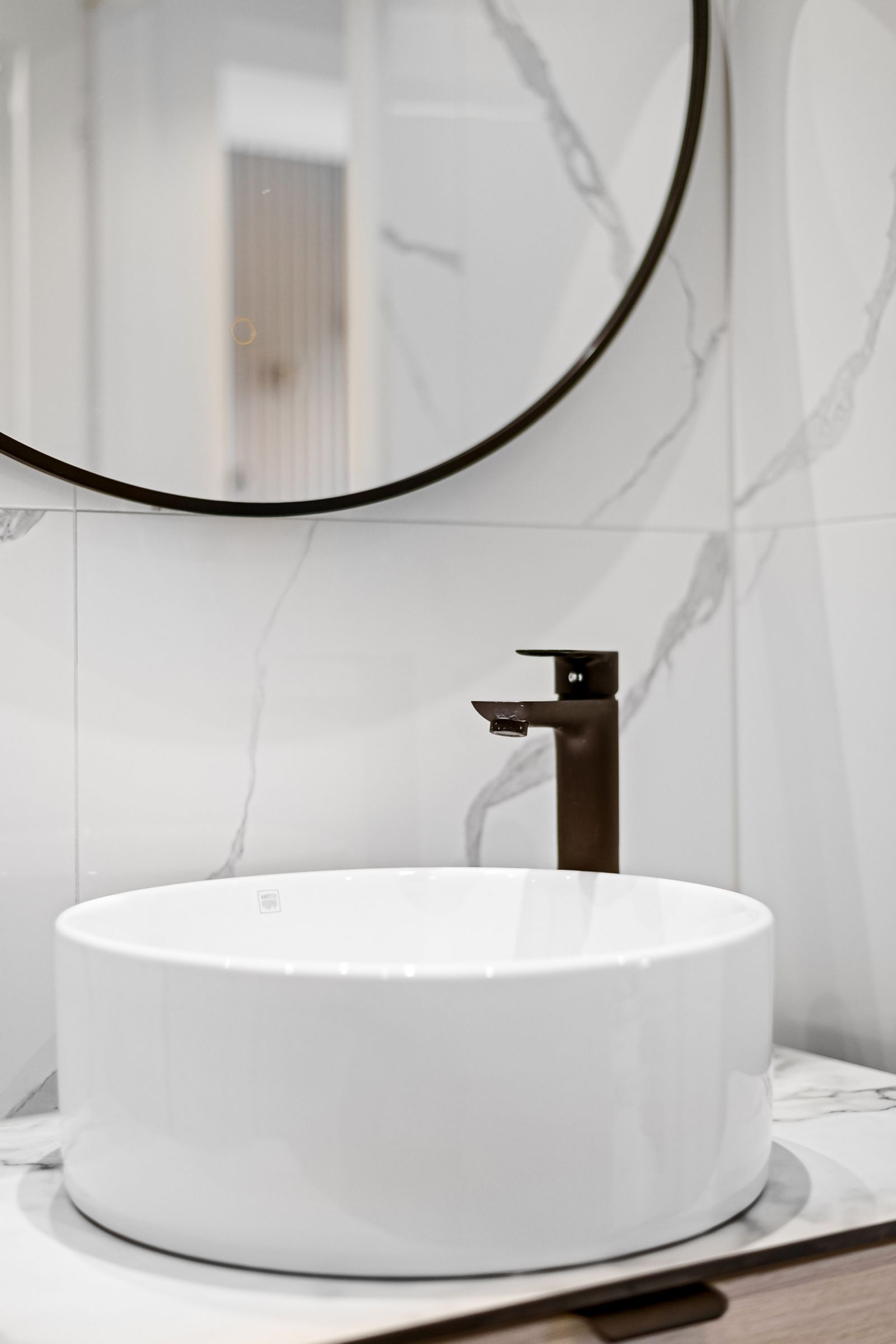
Heating water takes energy. EPA's WaterSense guidance explains that efficient faucets and showerheads can reduce both water use and associated energy use. When selecting fixtures, verify the actual product certification, installation compatibility, and resident usability. An attractive bathroom photo does not establish that its fixtures are certified.
Do not replace a fixture while ignoring an active leak. EPA's Fix a Leak resources provide a starting point for identifying waste. Record a reported leak as a repair issue, assign responsibility, and confirm completion. Keep the repair decision separate from an optional upgrade estimate.
How can owners compare upgrade costs without overpromising?
Compare complete installed costs against a documented estimate of annual savings received by the owner. Treat simple payback as one screening tool, then consider equipment condition, comfort, project disruption, and ongoing costs. If residents receive the savings, describe that benefit separately instead of counting it as owner cash flow.
A hypothetical calculation
Suppose a proposed improvement costs $900 fully installed and is estimated to reduce owner-paid utilities by $150 annually. Simple payback is $900 divided by $150, or six years. These numbers are illustrative, not a quote, market average, or forecast for a particular property.
Now test a lower-savings case. At $75 annually, the same project has a twelve-year simple payback. Neither calculation accounts for financing, future repairs, changing utility prices, or the time value of money. The comparison is useful because it makes assumptions visible before money is committed.
If a component already requires replacement, compare the incremental cost of the efficient option with a suitable standard replacement. Do not automatically charge the entire replacement cost to the efficiency decision. Request comparable scopes, warranties, removal costs, and required supporting work from each bidder.
Use a short approval checklist
- What documented problem will this project address?
- Who pays the relevant utility bill and receives any savings?
- Does the quote include installation, permits if applicable, disposal, and commissioning?
- What assumptions support the savings estimate?
- What access, resident communication, and follow-up are required?
- Are any incentives confirmed in writing before approval?
Check current program rules directly with the utility or administering agency. Rental eligibility, equipment requirements, application timing, and funding can vary. Avoid building a project budget around an advertised incentive until its requirements and availability have been verified for that property.
Coordinate installation and document the handoff
Create a scope for one property before ordering across an entire portfolio. Record the approved model, contractor, budget, access plan, and acceptance criteria. Follow applicable entry requirements and coordinate timing with residents. A vacancy can offer convenient access, but a needed repair should not wait simply to fit an upgrade schedule.
At completion, collect invoices, model and serial numbers, warranties, operating instructions, and any test results included in the contract. Ask the contractor to demonstrate operation. Photograph the completed work and label the record by property and installation date. Keep personal resident information out of general project folders.
Follow up on the original complaint. If the bedroom remains uncomfortable, record that result rather than closing the project solely because a new device is installed. Compare later usage cautiously, accounting for weather, occupancy, vacancy, and rate changes. A lower bill alone does not prove which improvement caused it.
Key takeaways for rental owners
- Start with a documented problem and a baseline, not a product promotion.
- Separate owner-paid utility savings from resident benefits.
- Use qualified assessment and installation when building systems interact.
- Compare full project scope and realistic assumptions before approval.
- Keep a clear operating handoff and check whether the original problem improved.
Frequently asked questions
Should landlords upgrade energy efficiency if residents pay utilities?
Possibly. Consider resident comfort, equipment condition, and the property's long-term needs alongside cost. Residents may receive most direct utility savings, so do not include those savings as owner income. Evaluate the project on its actual benefits and verify any proposed rent or lease changes separately under applicable requirements.
Do smart thermostats work with every rental HVAC system?
No universal compatibility should be assumed. Check the specific thermostat against the heating and cooling equipment, wiring, and manufacturer requirements. Ask the installer about offline operation, account access, and resident instructions. For specialized equipment, ask the equipment manufacturer which controls support its functions before selecting a replacement thermostat.
Should an owner replace working windows first?
First identify the cause of the problem. A draft may require targeted repair or sealing, while another situation may justify replacement. Obtain a diagnosis and compare complete proposals. Consider the condition and function of existing windows rather than treating replacement as a guaranteed first step toward lower energy use.
Can a rental owner promise a specific utility bill reduction?
A general guide cannot support a property-specific guarantee. Bills depend on rates, weather, occupancy, resident behavior, and system performance. Present estimates with their assumptions and source, and distinguish estimated energy consumption reductions from dollar savings. Use documented post-installation results carefully when describing an improvement to future residents.
What records should owners keep after an upgrade?
Keep the approved scope, invoices, contractor information, product identifiers, warranties, instructions, and applicable inspection or testing documents. Add the installation date and follow-up findings to the property record. For connected controls, document the account handoff process without storing resident passwords or other sensitive login information in shared maintenance notes.
How should owners measure whether a project helped?
Revisit the original goal: fewer drafts, easier controls, or lower owner-paid consumption. Compare relevant records before and after installation while noting weather, occupancy, and rate changes. Ask whether the original comfort concern was resolved. For larger projects, discuss a suitable measurement approach with the assessor before approving the work.
Turn the findings into a practical next step
A rental property energy efficiency plan should explain what needs attention, why a particular improvement fits, and how the owner will check the result. Start with one well-defined project and preserve the records. To discuss how upgrade planning fits your broader property-management priorities, contact ExploreRPM with your property's goals and questions.
Illustrative bathroom photo: Lisa Anna on Pexels, used under the Pexels License. The pictured fixture's efficiency certification is not verified.
Blogs