Rental Property Maintenance Checklist for Owners
A rental property maintenance checklist helps owners track routine inspections, seasonal servicing, repair requests, and future replacements. Start with water intrusion, heating and cooling, safety equipment, and exterior condition. Assign each task an owner and due date, document the outcome, and adjust the schedule to the property's equipment and climate.

What belongs on a rental property maintenance checklist?
A useful checklist records what to inspect, who will do it, when it is due, and what happens if a problem is found. A list of tasks without responsibility or follow-up is easy to forget. Build your plan around the actual property rather than copying another owner's schedule unchanged.
Start an equipment inventory with model numbers, installation dates when known, warranty information, and manufacturer instructions. Include the HVAC system, water heater, major appliances, plumbing fixtures, roof, exterior drainage, and any owner-maintained outdoor features. Keep contractor contact information alongside that inventory so a repair request does not begin with a search for the right vendor.
- Record the location of accessible water shutoffs and equipment controls.
- List recurring service tasks and the person responsible for arranging them.
- Separate routine inspections from work requiring a qualified contractor.
- Track unresolved issues through completion rather than deleting them after a visit.
- Keep invoices, photos, and service notes with the property record.
How often should owners review maintenance?
Review open maintenance requests regularly and plan seasonal work before the relevant weather arrives. Equipment service intervals should follow manufacturer instructions and professional recommendations. A property's age, condition, climate, and service history help determine which checks need more attention.
Use the following as an organizational starting point, not a universal inspection requirement. Occupied-property access must follow the lease and applicable local rules; do not treat a checklist as permission to enter.
Regular owner review
Check whether any requests remain unanswered, any contractor visits need confirmation, or any completed work lacks an invoice or photo. Review repeat complaints together. Three separate tickets about the same drain should be investigated as a recurring issue, not treated as three unrelated events.
Before the heating or cooling season
Arrange appropriate HVAC servicing before the system is needed most. ENERGY STAR recommends contractor checkups before the relevant heating and cooling seasons. Its maintenance checklist also covers condensate drains and air filters. Use the equipment's instructions and the contractor's advice to set the property's service schedule.
At turnover
Document the property's condition before arranging cosmetic work. Check for signs of leaks, damage, malfunctioning fixtures, and unresolved prior repairs. Then decide which work must be completed before showing or occupancy. Reconcile the final work list against invoices and inspection notes rather than assuming a clean-looking property is ready.
Which problems deserve priority?
Prioritize maintenance by immediate risk, potential damage, and effect on essential property functions. Active water intrusion deserves prompt assessment because waiting can allow damage to spread. A cosmetic touchup generally has a different priority, but its deadline should still be recorded.
This is an operational triage framework, not a statement of legal repair deadlines. A report involving immediate danger belongs in the appropriate emergency response process. Owners should obtain qualified help for electrical, gas, structural, and other work beyond routine upkeep.
For moisture problems, address the source as well as the visible mark. The EPA recommends drying water-damaged materials and areas within 24 to 48 hours to help prevent mold growth. That guidance is not a reason to delay responding to a leak or to assume that every water-damaged material can be saved.
Keep the resident informed about the next step and expected update. When the cause is uncertain, say what is being inspected instead of promising a completion date that a contractor has not confirmed.
How do you turn the checklist into a repeatable process?
Use one record for each maintenance issue, with a clear path from report to completion. The process should make it possible to answer four questions: What happened, what was authorized, what work was performed, and how was completion checked?
- Record the report. Capture the location, symptoms, date, and any photos supplied by the resident.
- Assess the next action. Decide whether a qualified vendor needs to inspect the issue and what communication is needed.
- Confirm access and scope. Coordinate the visit using the applicable access requirements and provide a written description of the requested work.
- Review the findings. Obtain an estimate when needed and distinguish the immediate repair from optional improvements.
- Check completion. Keep the invoice, relevant photos, and any follow-up instructions. Confirm whether the original problem was resolved.
- Update the plan. Add a recurring task or replacement decision when the repair reveals a larger pattern.
How should owners plan for maintenance costs?
Separate recurring service costs, unpredictable repairs, and eventual replacements in your planning. Use the property's actual service history, equipment condition, and current written estimates instead of treating a general percentage as a guaranteed budget.
For example, an owner reviewing an older cooling system might request a repair estimate and a replacement estimate. The decision should compare what each option includes, the system's documented condition, warranty terms, and the risk of another interruption. An inexpensive repair may be reasonable when the rest of the equipment is sound; repeated failures can justify a broader assessment.
Keep hypothetical calculations separate from market claims. If you set aside a chosen amount each month, calculate the annual contribution and compare it with the known work list. That arithmetic helps organize cash flow, but it does not predict the actual cost or timing of a future failure. Obtain property-specific advice and quotes before committing funds.
What maintenance mistakes should owners avoid?
The most avoidable problems come from incomplete records, unclear responsibility, and repairs closed before the cause is understood. A useful checklist makes those gaps visible.
- Confusing a symptom with a diagnosis. A stained ceiling identifies a problem area; it does not establish where water entered.
- Assigning work without a completion check. A scheduled visit does not prove that the reported issue was fixed.
- Overlooking responsibility. Clarify which party arranges and pays for a task according to the relevant agreement and applicable requirements.
- Using one schedule for every property. Adjust the plan to equipment instructions, property features, climate, and service history.
- Mixing replacements with minor repairs. Track larger projects separately so they remain visible when reviewing routine bills.
When might professional property management help?
Consider professional management when coordinating vendors, tracking requests, arranging access, and checking completed work consume more time than you can reliably provide. The decision should account for your availability, distance from the property, existing vendor relationships, and the scope and cost of the proposed service.
Ask a prospective manager how maintenance requests are recorded, how spending approvals work, what happens after hours, and what documentation owners receive. Ask about fees and vendor arrangements before assuming that every service is included. The quality of the reporting process matters as much as the ability to arrange a visit.
Key takeaways
- Build the checklist around the property's actual equipment and condition.
- Assign responsibility and follow every request through completion.
- Use qualified contractors where appropriate and retain their findings.
- Plan recurring service, repairs, and replacements separately.
- Review repeated problems before approving another isolated repair.
Frequently asked questions
What is the first step in creating a maintenance checklist?
Start with an inventory of the property's equipment and known condition. Collect manufacturer instructions, previous service records, and unresolved repair notes. Then assign each recurring task a responsible person and review date. This creates a property-specific starting point and makes missing information easier to identify before the next repair request arrives.
Can a resident's repair request replace a routine maintenance plan?
Resident reports help identify issues, but they should sit alongside an owner's maintenance plan. A resident may notice a leak or unusual noise without knowing that equipment also needs scheduled service. Keep a clear reporting channel, review the property's service requirements, and document how reported issues and planned work are handled.
Should owners inspect a rental after every repair?
Owners should use a completion check suited to the work, which may involve a contractor's report, photos, a follow-up conversation, or an appropriate inspection. Not every repair calls for an additional visit. The goal is to establish that the reported issue was addressed and identify any further work without assuming that an invoice alone answers every question.
What records should be kept for maintenance work?
Keep the original report, relevant communication, estimates, spending approvals, invoices, photos, and follow-up instructions together. Include dates and identify the equipment or area involved. A consistent record helps the next contractor understand previous work and helps the owner compare repeated repairs with a possible replacement. Use a retention policy appropriate to your circumstances.
Does preventive maintenance eliminate emergency repairs?
No maintenance plan can guarantee that equipment will not fail unexpectedly. Planned servicing and reliable records support better decisions, but emergencies still require a clear response process. Keep current vendor contacts and communication instructions available, and review lessons from unexpected repairs when updating the property's future maintenance tasks and replacement plans.
How can an owner tell whether management support is worthwhile?
Compare the proposed service scope and total fees with the work you currently handle and the support you need. Ask how the manager documents repairs, communicates delays, obtains approvals, and follows up on repeat issues. Management may be useful when consistent coordination is difficult, but the agreement should clearly explain the responsibilities being transferred.
Build a checklist you can keep using
The best rental property maintenance checklist is one you review, assign, and update. Start with your equipment inventory and outstanding issues, establish clear responsibility, and record what happens next. If maintenance coordination is taking too much of your time, contact ExploreRPM to discuss whether professional management makes sense for your property.
Sources
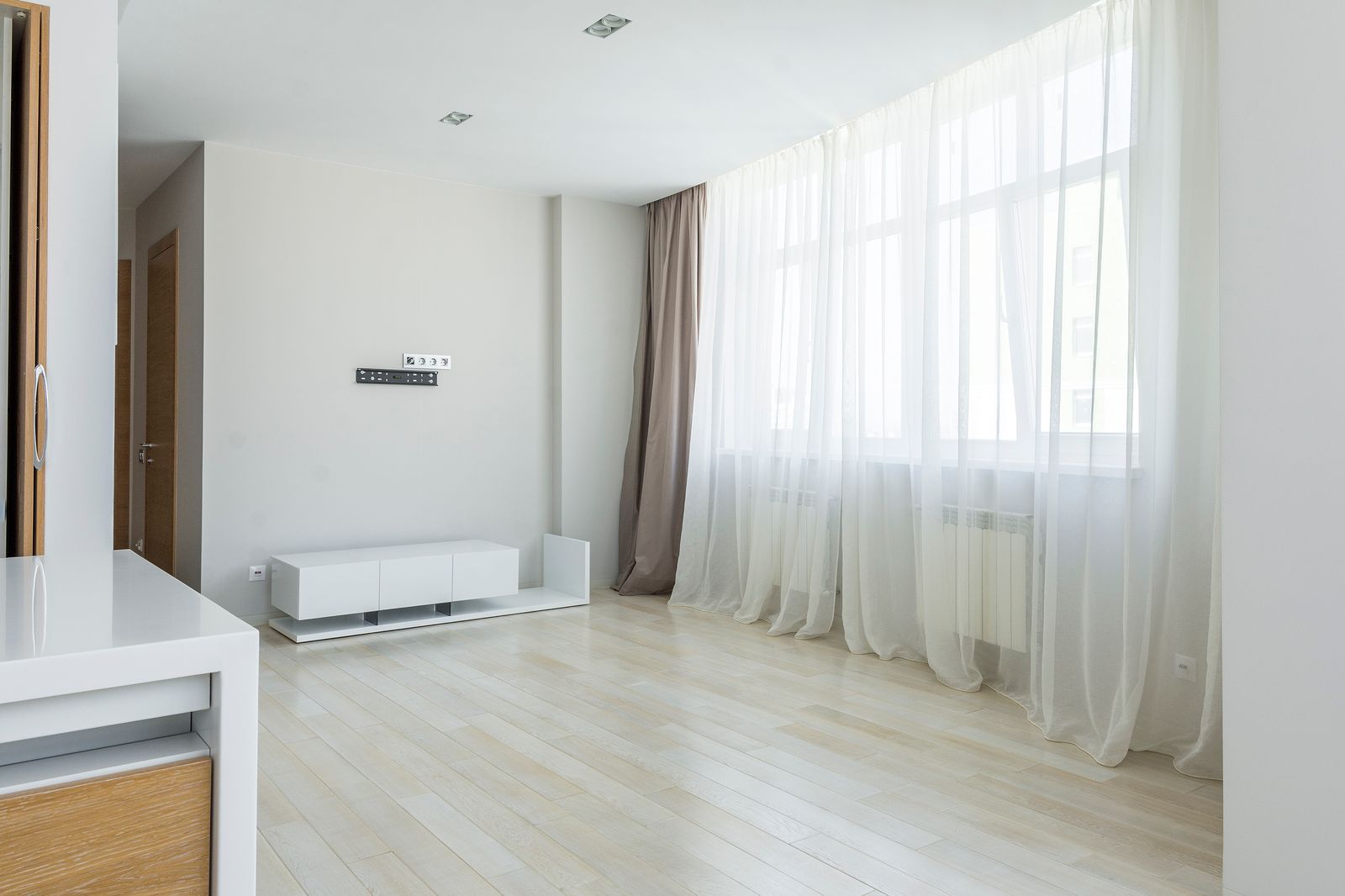
Illustrative stock photography: Binyamin Mellish / Pexels. The image does not identify an ExploreRPM-managed property.
Blogs