Rental Property Turnover Checklist for Owners
A rental property turnover checklist organizes the work between one resident leaving and the next moving in. Document the property's condition, identify necessary repairs, coordinate cleaning and servicing, check completed work, and prepare accurate listing materials. Assign responsibility and confirm readiness before promising a move-in date to the next resident.
What belongs on a rental property turnover checklist?
A rental property turnover checklist should cover condition records, repairs, cleaning, equipment checks, access arrangements, listing preparation, and final handoff. Each item needs a responsible person and a completion check. The goal is a property that is ready for its next resident, with clear records showing what was done.
Turnover is a sequence of decisions rather than a single cleaning appointment. Painting before a leak is diagnosed creates rework. Photographing rooms before contractors finish can make a listing inaccurate. A written plan helps owners put tasks in the right order and see which unfinished item is holding up the next step.
Start with one work list for the entire property. Keep separate columns for the issue, proposed action, responsible vendor, approval status, target date, and completion evidence. A spreadsheet can be enough when it is kept current and everyone knows who updates it.
What should happen before the outgoing resident leaves?
Confirm the practical handoff arrangements, collect existing maintenance records, and identify work that can be planned before possession changes. Coordinate any access through the applicable agreement and local requirements. An expected vacancy date is a planning input, not a reason to assume the property is available for unrestricted entry.
Review unresolved repair requests and prior service notes. If an appliance has an intermittent problem, pass that history to the contractor instead of asking only whether it turns on during a brief visit. Obtain vendor availability for likely work without committing to a final scope before the property's condition can be assessed.
- Confirm the process for returning keys, remotes, and other access items.
- Identify who will receive the property and document its condition.
- Review planned utility arrangements so necessary testing and cleaning can be coordinated.
- Gather equipment instructions and current contractor contacts.
- Keep the new-resident handoff date provisional until the required work is understood.
How do you document the property's condition?
Use dated room-by-room notes and clear photos that show both overall condition and specific concerns. Record the issue before work begins, then keep the related repair and completion records together. Photographs are most useful when someone unfamiliar with the property can understand what they show.
Include walls, floors, ceilings, doors, windows, fixtures, appliances, and any owner-maintained exterior areas. Note the location and symptoms of a problem instead of guessing its cause. For example, record a water mark near a window and arrange an assessment rather than labeling it a roof leak without evidence.
Keep physical condition documentation separate from decisions about who pays. Deposit accounting, responsibility for damage, and required notices depend on the applicable agreement and rules. This operational checklist does not establish deductions, charges, or legal deadlines.
Which repairs should come before cosmetic work?
Address problems affecting safe use, property functions, or continuing damage before finishing surfaces. Investigate active moisture, malfunctioning systems, and unresolved repair reports before approving paint or decorative improvements. Use qualified contractors for work that requires their expertise.
Check plumbing fixtures and accessible areas for signs of leakage. EPA WaterSense recommends regular leak checks and prompt attention to problems found. During turnover, coordinate appropriate fixture and appliance checks while the property is accessible, and retain a contractor's findings when an issue needs investigation.
Heating and cooling equipment also deserves attention before the next occupancy. ENERGY STAR recommends contractor maintenance ahead of the relevant heating and cooling seasons. Turnover is a useful time to review service records, filter requirements, and any outstanding HVAC recommendations rather than assuming a system is ready because the thermostat display works.
Separate necessary repairs from optional upgrades in written estimates. Ask the vendor to explain the immediate issue, the proposed repair, and any further work being recommended. This makes it easier to approve the right scope and avoid confusing a preventive recommendation with an urgent defect.
What is a practical order for turnover work?
Document first, diagnose next, complete disruptive work, clean, and then perform the final readiness check. Adjust that order when a contractor identifies a property-specific reason, and keep the person coordinating the job informed of any change.
- Record the initial condition. Collect room-by-room notes, photos, and the outgoing access items.
- Confirm the repair scope. Resolve questions about the cause of a problem and obtain needed approvals.
- Schedule work in sequence. Coordinate repairs and finishing tasks so one vendor does not undo another's work.
- Clean after disruptive work. Set expectations for appliances, fixtures, floors, cabinets, and other agreed areas.
- Check the finished property. Compare results with the work list and record remaining issues.
- Prepare the listing and handoff. Use current photos, confirm access arrangements, and provide relevant operating information.
How should owners set a realistic turnover budget?
Build the budget from the actual scope, current estimates, and known property needs. Track repairs, cleaning, optional improvements, and vacancy-related carrying costs separately. A general allowance may help with planning, but it does not replace written quotes for the work being considered.
For a simple comparison, suppose one contractor can finish a necessary repair earlier at a higher quoted price. Compare the difference in those written quotes with the practical cost and consequences of the delay. Label any calculation as a scenario: an earlier finish does not guarantee an earlier lease or a specific amount of rent collected.
Keep a change log when additional work is found. Record who approved it, why it was needed, and how it affects the schedule. An owner reviewing the final invoices should be able to follow the difference between the original estimate and the completed job without reconstructing conversations from memory.
When is a property ready to photograph and show?
Photograph the property when the images can accurately represent the space being offered. Before a showing, check access, cleanliness, unfinished work, and any issue that could interfere with a visitor's use of the property. Communicate remaining work clearly rather than letting the photos create a misleading impression.
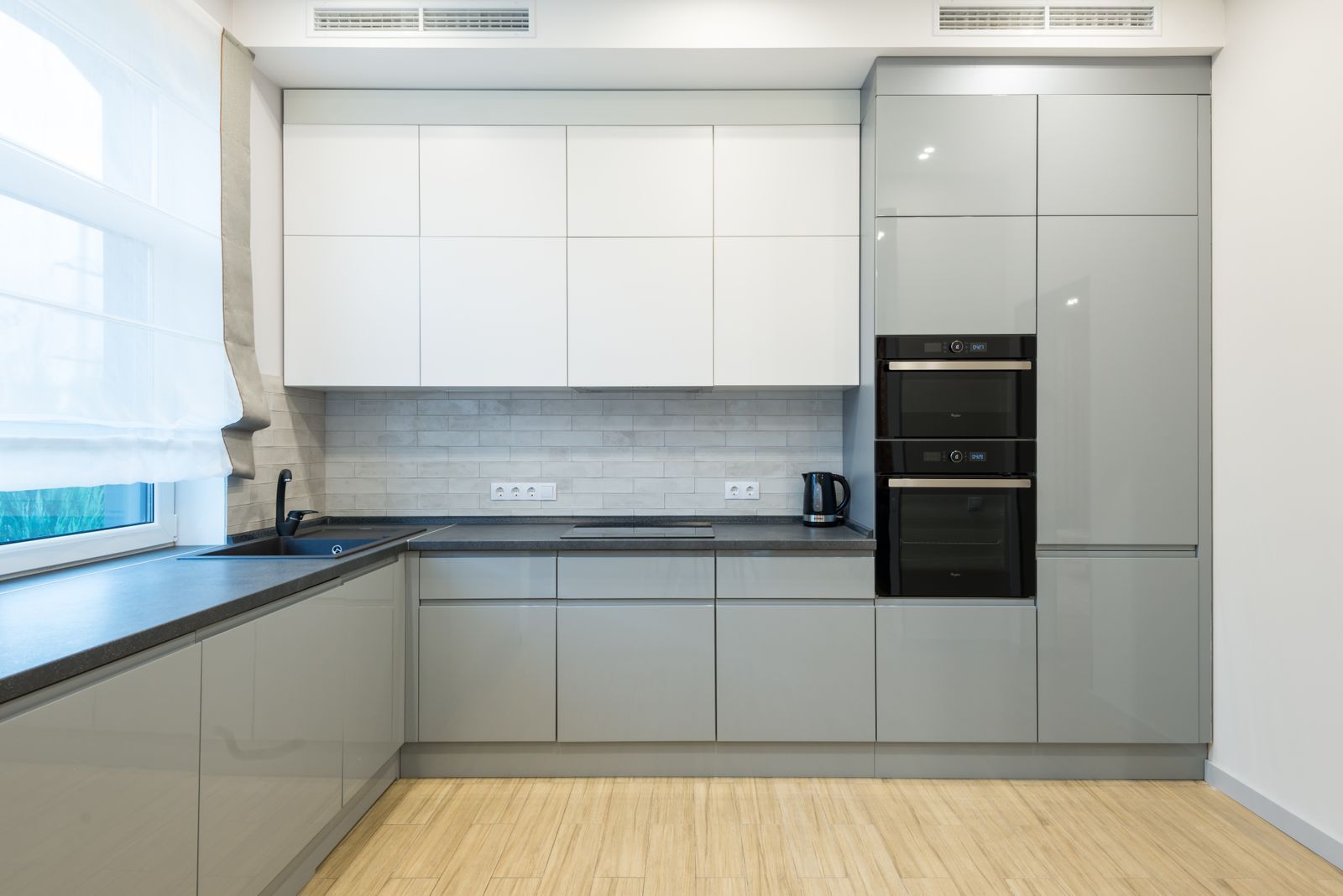
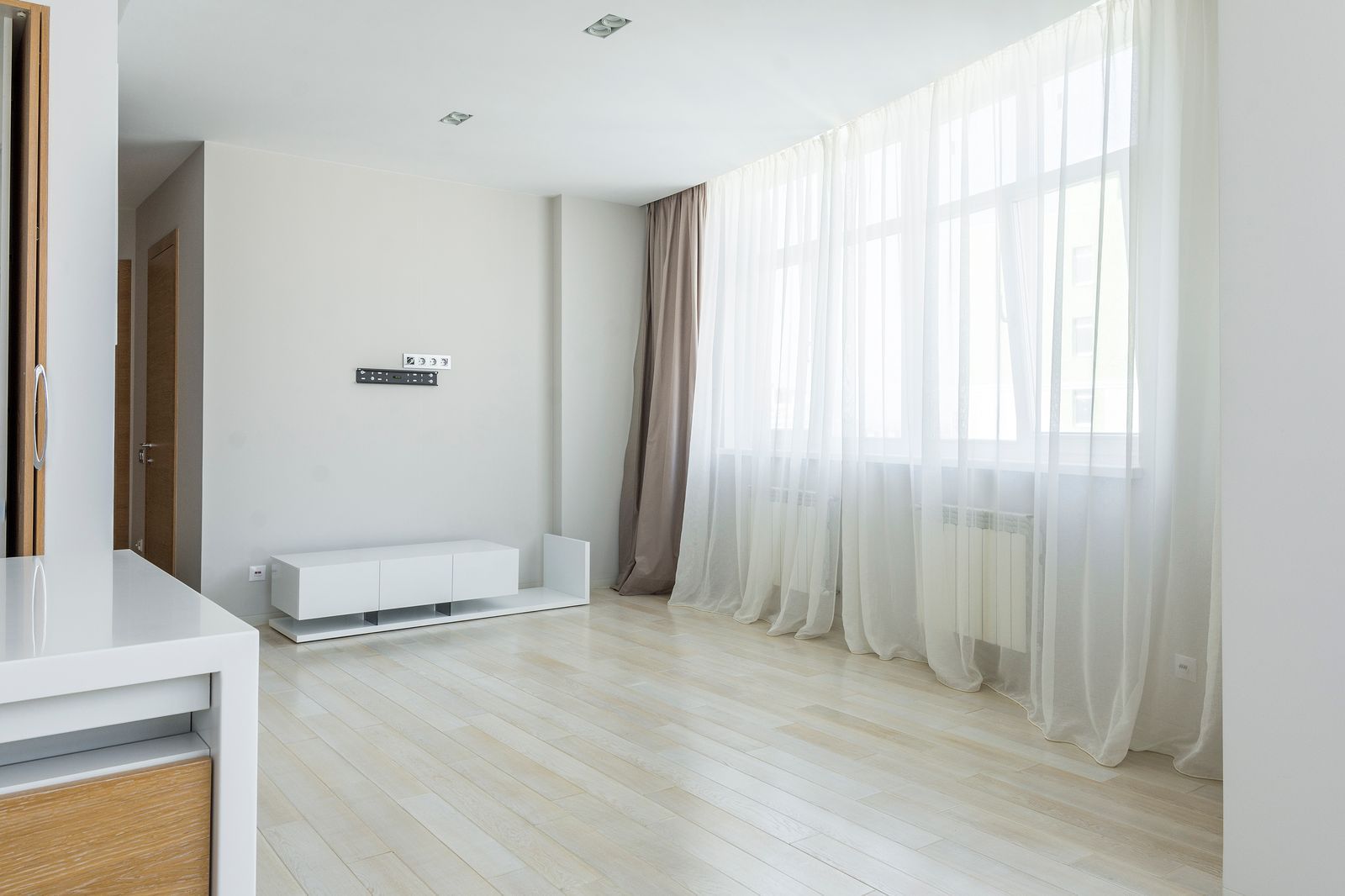
Distinguish listing photography from illustrative stock images. Real listing photos should show the actual rental being offered. A stock photo in an educational article, such as the image used here, should not be presented as a photograph of a specific available home.
Verify the listing's features against the finished property. Do not describe an appliance as included if it has been removed, advertise a feature that is still only proposed, or promise a move-in date that depends on unconfirmed work. Review access instructions after any change to keys, remotes, or the showing arrangement.
What should the final readiness check include?
Use a fresh walkthrough to compare the property with the agreed work list, not simply with its condition on the first visit. Confirm that required work is complete, record exceptions, and assign a next action for anything unresolved.
- Review completed repairs and any contractor follow-up instructions.
- Check cleaning against the agreed scope rather than appearance from the doorway.
- Confirm relevant fixtures and equipment have received appropriate checks.
- Review access items and the planned resident handoff.
- Keep final photos, invoices, and the completed checklist together.
The person who arranged the work should not assume that the last vendor checked every earlier task. A final review gives the owner one consolidated account of readiness and identifies anything that must be addressed before a commitment is made.
When can professional management help with turnover?
Professional management may be useful when an owner has difficulty coordinating vendors, monitoring work remotely, or keeping repairs and leasing decisions aligned. Ask how the manager records condition, approves work, documents spending, and decides whether a property is ready for the next resident.
Clarify the service scope and fees before handing over responsibility. Ask whether inspections, vendor coordination, listing preparation, and the final walkthrough are included or handled separately. ExploreRPM's property management services provide a starting point for discussing the support your property needs. For ongoing upkeep after turnover, see the rental property maintenance checklist.
Key takeaways
- Use one work list with clear responsibility and completion evidence.
- Document condition before repairs, cleaning, or cosmetic changes.
- Resolve the cause of a problem before finishing the affected surface.
- Set dates from confirmed work and vendor availability.
- Review the property again before the next resident handoff.
Frequently asked questions
How long should a rental property turnover take?
The timeline should follow the actual repair scope, vendor availability, material requirements, and completion checks. A property needing cleaning alone has a different schedule from one requiring several coordinated repairs. Confirm those dependencies before advertising a firm move-in date, and update the plan when an inspection reveals work that was not previously known.
Should cleaning happen before or after repairs?
Final cleaning usually belongs after work that creates dust, debris, or repeated contractor traffic. Some preliminary cleaning may be useful to inspect surfaces and equipment. Coordinate the order with the vendors and define who handles any cleaning needed after the last repair, so a finished room does not need to be cleaned twice.
Does every turnover need repainting?
Assess the actual condition, finish consistency, and work required before deciding whether to touch up or repaint. A full repaint is not automatically the right scope for every property. Ask for a clear estimate, consider whether the proposed result will look consistent, and separate that decision from any question about resident charges or deposit deductions.
Can listing photos be taken while work is unfinished?
Photos should accurately represent the property being offered. If the finished condition is expected to differ materially, wait for the relevant work or clearly communicate what remains. Reusing older photos without checking current features can cause confusion when an appliance, fixture, finish, or other advertised detail has changed since the images were taken.
Who should coordinate contractors during a turnover?
Assign one person to maintain the work list, confirm approvals, coordinate access, and communicate changes. That person may be the owner or an agreed management representative. The important point is clear responsibility: vendors should know whom to contact when a finding changes the scope, schedule, or order in which other work can proceed.
What should be handed to the next resident?
Prepare the agreed access items, relevant property operating information, and the appropriate channel for reporting maintenance concerns. Confirm any outstanding arrangements rather than relying on a verbal promise made earlier in the turnover. Keep a record of the handoff and use the applicable agreement and local requirements to determine any additional documentation needed.
Make the next handoff easier to manage
A rental property turnover checklist works best when each task has an owner, a realistic next step, and a completion record. Start with condition documentation, coordinate repairs before final cleaning, and verify the finished property. If coordinating that process is taking too much of your time, contact ExploreRPM to discuss whether management support makes sense for your rental.
Sources
Illustrative stock photo by Max Vakhtbovych / Pexels, downloaded for this article. It does not depict an ExploreRPM listing.
Blogs