





Rental Property Landscaping Plan: An Owner Guide
A rental property landscaping plan defines outdoor uses, service standards, responsibilities, seasonal reviews, and approval rules. Start with a dated condition inventory, then prioritize access and property concerns before cosmetic improvements. Match planting and irrigation decisions to local conditions, use qualified providers for technical work, and verify completed service against the agreed scope.
Build a rental property landscaping plan around real use
A rental property landscaping plan gives every outdoor task a purpose, an owner, a standard, and a follow-up date. It helps you decide where a lawn is useful, where a bed needs redesign, which work belongs in recurring service, and which observations deserve professional assessment. Start with the way residents use the property. An attractive entrance matters, but so do a gate that opens freely, a clear route to the bins, and a yard that can be maintained within the available budget.
This guide offers an owner-focused planning method for U.S. rental properties. The sample schedules, prices, and workflows are examples for adaptation, rather than market estimates or universal rules. Plant selection, irrigation requirements, entry procedures, chemical applications, and local restrictions need property-specific review. The goal is to create a practical grounds program that a resident, owner, and service provider can understand without relying on assumptions about what a neat yard should look like.
Begin by writing a short outcome statement. For example: keep the entrance and outdoor routes usable, maintain the agreed planting areas, avoid unnecessary irrigation, and identify problems early enough to make deliberate decisions. This statement becomes a filter for spending. A seasonal flower display may support appearance, but it should not displace an unresolved access problem. A low-maintenance design should also have a realistic care plan; no landscape remains dependable simply because someone labeled it easy to maintain.
Separate four kinds of outdoor work
Use four categories: routine care, condition-based correction, specialist assessment, and improvement. Routine care includes agreed mowing or litter collection. Condition-based work responds to an observed problem, such as a broken irrigation head. Specialist work includes questions requiring expertise beyond the routine crew. Improvements change the design or service level. Keeping these categories separate makes proposals easier to compare and prevents a recurring visit from quietly becoming permission for an expensive redesign.
Consider a bed beside a front walk. Removing litter is routine care. Checking a plant that has declined is condition-based work. Evaluating an adjacent tree with a significant defect is specialist work. Removing the whole bed and installing a new surface is an improvement. All four may be appropriate at different times, but each needs a different explanation and approval. Ask the provider to identify the category when submitting a recommendation so the owner knows what decision is actually being requested.
Define success without promising a rent increase
Grounds spending can support the presentation and usability of a property, but an owner should not assume a particular rental premium or investment return. Measure what the program directly controls: completed visits, recurring defects, access complaints, approved costs, and unresolved recommendations. If leasing results improve, evaluate them alongside pricing, interior condition, timing, and other factors. A good operating plan is useful even when its value cannot be reduced to a defensible dollar figure for every planting decision.
Start with a documented outdoor inventory
Walk the grounds and divide them into understandable zones. A small house might have a front lawn, entry bed, side passage, rear yard, driveway edge, and irrigation controls. A larger property may need separate common areas, building entrances, parking islands, refuse areas, and private-use spaces. Give each zone a consistent name. Use those names in photos, requests, proposals, and completion notes so a report about the east bed does not become a visit to the wrong side of the building.
Create a simple map showing these zones and known features. It can be a labeled photo or an uncomplicated sketch; it does not need to pretend to be a survey. Mark visible equipment, gates, hose connections, drains, and areas that require specialist review. Record uncertainty openly. A line on an old drawing is not confirmation of a buried utility, a property boundary, or an approved drainage route. Keep verified information and working assumptions visibly distinct.
Record condition before choosing a solution
For each zone, describe what you can observe. Useful entries include a patch of bare soil, irrigation spray crossing a walk, a shrub touching a gate, or debris collecting beside a drain opening. Include the date, weather context where relevant, and a photo from a repeatable viewpoint. Avoid turning the first observation into a diagnosis. A brown patch does not establish whether the cause is water, shade, traffic, disease, or a maintenance practice. The next step may be assessment rather than replacement.
A baseline should also document what is already working. Note the grass area residents use, planting that stays within its bed, and a service route that allows equipment access without crossing a private patio. These details help protect useful features during redesign. Without them, a proposal can focus on the most visible problem and unintentionally remove an outdoor function people rely on. Ask residents about practical use through an appropriate communication channel instead of inferring preferences from an empty yard at one inspection.
Collect the existing documents
Gather current service agreements, relevant lease language, association rules where applicable, irrigation instructions, prior work orders, and any available design records. Check whether the documents agree. A lease may assign some routine yard care to the resident while a vendor agreement appears to include the entire site. That conflict should be resolved through appropriate review before either party receives contradictory instructions. Written obligations and applicable law control; a grounds checklist cannot create a new enforceable duty on its own.
Record the date and source of each document. If a watering schedule was written by a former owner, label it as historical until someone checks its present suitability. If the system was altered, request an updated zone list and controller instructions. Store the current version where the people coordinating service can find it, with access limited as appropriate. Do not place gate credentials or resident details on a public-facing landscape map simply because the map itself looks harmless.
Set priorities before approving cosmetic work
Sort observations by the consequence of leaving them unresolved. Start with reported immediate hazards and blocked essential routes, then conditions affecting the building or equipment, then recurring operating problems, and finally optional appearance improvements. This is a planning sequence, not a substitute for a qualified safety assessment. If a condition appears urgent, use the appropriate emergency or professional response rather than waiting for the next routine landscaping visit to provide a diagnosis.
A useful priority entry contains the observation, interim response, responsible contact, decision needed, and next review date. For example, a loose branch over an entrance might require keeping people away and contacting an appropriate tree professional. A thin patch in a back lawn may be scheduled for later assessment. Both deserve a record, but they should not compete in the same undifferentiated list. A visible completion date is more useful than a color-coded category with nobody assigned to act.
Protect outdoor routes
Trace the routes residents, visitors, service workers, and waste collectors actually use. Look at the entrance, gates, mailbox access, parking connections, and the path to outdoor equipment. Observe whether vegetation or stored materials narrow these routes. Required clearances and accessibility obligations need local and property-specific review. Do not invent a universal measurement. The owner's practical task is to identify restrictions, assign an appropriate assessment, and ensure that routine grounds work does not recreate the same obstruction after it has been corrected.
Include service-day conditions in that review. A crew can leave a route temporarily blocked by hoses, bags, or equipment even when the finished landscape looks orderly. The work instructions should address staging and cleanup, with a contact for unexpected conflicts. Ask how the crew will manage a gate that must remain secure or a passage used throughout the day. A short site briefing can reveal these constraints before the first visit, when they are easier to solve than after a complaint.
Distinguish observation from authority
A routine landscape provider may notice a leaning fence, a damaged exterior fixture, or water near a foundation. Reporting that observation does not authorize the crew to repair unrelated systems. Establish the boundary in writing: identify the condition, take suitable photos, notify the coordinator, and wait for instructions unless an agreed emergency procedure applies. This protects the owner from accidental scope expansion and gives the provider a clear way to raise concerns without being expected to diagnose every outdoor defect.
Choose a service standard that matches the property
Decide what the landscape should provide before selecting its maintenance intensity. A family-sized rear yard used for play has different needs from a narrow frontage that nobody walks on. A planted common courtyard differs from a private patio. Match the intended function, the resident's reasonable use, and the owner's available resources. Avoid copying a neighboring property's appearance standard without understanding its service frequency, water access, plant palette, or budget. Similar photographs can conceal very different operating requirements.
Describe the desired result in observable terms. Instead of writing keep everything perfect, specify which areas receive routine care, which edges are maintained, which litter is removed, and which concerns are reported. State exclusions and seasonal adjustments. A provider should know whether pruning is included, whether leaf hauling is separate, and whether an irrigation visit means observation or technical adjustment. The resident should know whom to contact if an agreed area is repeatedly missed.
Use a three-level condition scale
A simple internal scale can help: acceptable, needs planned attention, and needs prompt review. Define the terms with property examples. Acceptable may mean the entrance planting remains within the agreed bed and the route is clear. Planned attention may describe a sparse area awaiting diagnosis. Prompt review may cover an observed condition that could affect safe access or equipment. Keep this scale as an operating tool rather than implying it is a legal inspection standard or a professional certification.
Review the scale with whoever inspects the site. If two people rate the same condition differently, refine the description instead of treating one rating as automatically correct. Reference photos are useful when they show the actual property under ordinary conditions. They are less useful when they depict a newly staged garden at its seasonal peak. The standard should remain achievable across the service year, including normal seasonal changes, without encouraging unnecessary replacement merely to preserve one photograph's appearance.
Write responsibilities clearly for owners, residents, and providers
Responsibility should be checked against the lease, applicable requirements, and any common-area arrangements before it appears in resident instructions. An owner may choose to coordinate all grounds care, assign particular routine tasks where permitted, or use a mixed arrangement. Each model needs a reliable reporting path. Even when routine mowing is assigned to a resident, the owner still needs a process for receiving reports about irrigation defects, tree concerns, or conditions outside that person's agreed scope.
Create a responsibility list by task, rather than by the vague phrase yard maintenance. Separate mowing, watering, leaf collection, pruning, tree assessment, irrigation repair, pest management, and replacement planting. For each, identify who performs the work, who pays under the applicable agreement, who approves changes, and who receives reports. If payment responsibility is disputed, keep necessary condition assessment moving through the proper process while the contractual question receives appropriate review. Do not settle an uncertain charge through an improvised text message.
Make the handoff usable
At move-in or the start of a new service arrangement, give the resident practical instructions consistent with the agreement. Explain the areas included, the reporting channel, planned service timing, and restrictions on changing owner-controlled equipment. Where residents have agreed routine tasks, explain the expected outcome and available instructions without assuming they possess specialist knowledge or particular tools. A property-specific guide should be short enough to use. Detailed technical manuals can remain available separately for people authorized to operate the equipment.
Ask for confirmation that the instructions were received, and provide a way to identify conflicts. A resident may report that the rear gate cannot accommodate the service equipment or that a scheduled visit overlaps with a known access constraint. These details can often be resolved before they become repeated missed visits. Preserve an objective record of changes and avoid collecting unnecessary personal information. The plan needs operational facts, such as an access window, rather than an explanation of every resident's private circumstances.
Handle changes through the right process
If the owner wants to change an existing responsibility arrangement, review the required process before announcing the new rule. A new landscape contract does not automatically amend a lease. Similarly, a resident's willingness to water a new bed once does not establish an ongoing obligation. Record temporary arrangements as temporary, with a date and a clear owner contact. For recurring changes, use the appropriate written agreement and notice procedures with qualified advice where needed.
Design for manageable long-term care
When repeated service is not solving a problem, consider whether the design itself creates unnecessary work. A narrow strip may be difficult to mow, a shrub may repeatedly block a gate, or a planting area may require more care than the operating plan supports. The first redesign question is what function must remain. Preserve useful outdoor space and access, then ask for alternatives that reduce recurring difficulty. A simpler design can still require installation care, inspection, and eventual replacement.
The EPA's WaterSense landscaping guidance emphasizes matching planting choices to site conditions, climate, and maintenance needs. For an owner, that supports a practical design brief: describe sun exposure, available space, intended use, and who will maintain the result. Ask a qualified local professional or extension resource to help evaluate plant suitability. Avoid selecting a species solely because it is marketed as drought tolerant without checking its fit for the actual site.
Compare designs by their service requirements
Ask each proposed design to include an installation scope, establishment plan, recurring tasks, expected replacement issues, and the conditions under which the plan needs adjustment. This reveals costs that a materials-only quote misses. A bed conversion might reduce mowing but add hand weeding or plant establishment visits. A new surface might simplify one task while introducing cleanup, drainage, or heat concerns that require assessment. Compare the whole operating arrangement rather than treating a lower count of lawn areas as proof of lower total effort.
Use a trial area where practical. A small, approved section can help you observe maintenance demand and resident use before converting the entire site. State what the trial is intended to test and how long it will be reviewed. Keep its boundaries clear so the crew does not extend the experiment without approval. If the result performs poorly, document the reason. A failed trial still provides useful information when it prevents a larger investment based on an unsuitable assumption.
Allow for plant growth and service access
A planting plan should be evaluated beyond its installation appearance. Ask about mature size, maintenance requirements, nearby equipment, and the room needed for access. A small plant in a photo can become an ongoing obstruction if its location is poorly chosen. Record approved plant names and locations so replacements do not gradually change the design. If a provider proposes a substitute, ask why and whether it changes water requirements, mature size, care, or suitability for the space.
Manage irrigation through a documented process
Identify who is allowed to adjust the irrigation system, how a problem is reported, and where current instructions are stored. An owner does not need to personally perform technical service to maintain a useful record. A zone list, controller identification, authorized contact, and service history provide a starting point. Record system changes after repairs. If a controller has been replaced, old instructions should be marked as superseded so a future provider does not restore an obsolete setting.
EPA's watering guidance recommends seeking local utility or extension advice and adjusting irrigation to actual needs and conditions. Use that principle rather than adopting one national timer setting. Request a site-specific schedule that accounts for the landscape and current restrictions. Keep the source and review date with it. A schedule should be revisited when planting, weather, local requirements, or the irrigation equipment changes.
Turn observations into a service request
A useful irrigation report states the zone or location, the observed symptom, when it appeared, and whether it is continuing. For example: spray reaches the front walk during the morning cycle, or water remains visible beside the rear valve box after the system has stopped. Photos or a short video may help when taken safely. Avoid asking a resident to dismantle equipment or experiment with technical controls simply to provide a more detailed report.
After service, request a note describing what was found, what was changed, and what follow-up remains. A completion note that says adjusted system is harder to evaluate than one identifying the affected zone and correction. If the visit was diagnostic only, record that fact. Keep the item open until the agreed decision has been made. Where irrigation affects a shared route, verify the route as well as the planting area so success is assessed at the point of the original complaint.
Review consumption without assuming the cause
If you have access to the relevant water bills, compare billing periods, meter coverage, service dates, and known changes before interpreting a higher total. An irrigation problem is one possible explanation, but other uses or billing differences may matter. Ask the utility or appropriate professional about unexplained changes. Keep consumption review separate from unverified accusations about resident behavior. Good records narrow the question; they do not make every unexplained increase a proven landscape defect.
Plan lawn care as a service, not a fixed calendar habit
Routine lawn care should reflect the property, the type of turf, and local conditions. Ask the provider to explain the proposed frequency, seasonal adjustments, and what happens when conditions make the usual visit unsuitable. The owner needs a clear service rule, rather than technical instructions copied from another climate. A recurring contract can provide predictable coordination while still allowing documented adjustments. State how a skipped or changed visit will be communicated and how it affects billing.
Describe the included areas and service boundaries. A rear yard behind a locked gate, a steep bank, or a narrow strip around equipment may require a different method or separate assessment. Make those constraints visible before pricing. If the provider cannot safely or appropriately service an area, ask for an alternative plan. Do not let the unresolved area disappear from the map simply because the routine crew excludes it from the standard visit.
Clarify cleanup and debris handling
Specify the expected cleanup of walks, driveways, entrances, and service areas after grounds work. Ask where collected debris will go and whether hauling is included. Local disposal and stormwater requirements need confirmation; do not assume material can be placed in a street, drain, neighboring area, or resident container. If the provider uses a particular debris practice, request its rationale and confirm that it fits the site and agreement. The practical standard is a finished visit with no unresolved disposal ambiguity.
Review the recurring edge cases: cars parked beside a lawn, toys or furniture on the grass, pets in a service area, and access gates that cannot be left open. Set a reporting and rescheduling process. The crew should know whether to skip an obstructed section and notify the coordinator, rather than move resident possessions without permission. Track these exceptions so the owner can resolve persistent access problems through an appropriate conversation instead of repeatedly paying for incomplete service.
Investigate recurring bare or damaged areas
When the same lawn area declines repeatedly, collect the history before authorizing another repair. Note its use, shade, drainage observations, irrigation service, and previous attempts. Ask a suitable professional to identify likely causes and options. A path worn by regular foot traffic may call for a design discussion rather than repeated reseeding. An operating plan should give the provider permission to recommend a better approach, with approval required before changing the landscape or hard surfaces.
Give trees and large shrubs a separate review path
Routine trimming and professional tree assessment are different assignments. An owner should know which provider is responsible for each and what observations trigger a referral. Do not assume a lawn crew is qualified or equipped for complex tree work. Ask for the appropriate expertise, work scope, and relevant credentials for the actual assignment. Keep the specialist's findings and recommendations with the tree or zone record so future decisions do not depend on somebody remembering a conversation.
Create a tree inventory at a level proportionate to the property. Identify location, available prior reports, recent work, and unresolved recommendations. Where the species or condition is uncertain, say so. Photos taken from a consistent location can support continuity, but they do not replace an assessment. If a tree has a concerning change or storm damage, seek appropriate professional guidance and manage access as needed. Avoid giving residents or routine crews instructions to test a potentially unsafe condition.
Approve pruning with a clear objective
Ask why pruning is proposed: access, an identified defect, clearance, plant care, or appearance. A proposal should explain the objective and scope in terms the owner can understand. Avoid authorizing a vague instruction to cut everything back when the site includes different species and purposes. If work affects a neighboring property, utility, protected tree, or regulated area, identify the necessary review before approval. Property lines and permissions should be verified rather than inferred from where a trunk appears in a photograph.
For large work, require a plan for staging, access, debris removal, and protection of nearby property. Coordinate resident communication around the actual approved work window. If weather or findings change the plan, ask for a revised schedule and any new approvals. Once complete, record what was done and any recommended follow-up. Retain unresolved items visibly; a successful cleanup does not mean every issue identified in the assessment has been addressed.
Keep drainage observations separate from landscape guesses
Water collecting in an outdoor area can have several causes. Record its location, timing, weather context, duration, and effect on use. Take photos safely and avoid entering potentially hazardous conditions. The initial report should help an appropriate professional investigate. It should not turn into an instruction to raise soil, cut a channel, redirect a downspout, or install a drain without assessing the consequences. Landscape changes can affect other parts of the property and neighboring areas.
Maintain a history of repeat observations. If water remains after particular storms, describe what was seen without claiming an engineered capacity or code violation. Link prior repair records and recommendations. Ask the professional to distinguish a maintenance issue from a design issue and explain the proposed next step. If the work requires permits, engineering, or other review, identify that before scheduling excavation. A low price does not settle whether a drainage proposal is technically appropriate or authorized.
Review mulch, soil, and beds near structures
Routine bed work should respect the building and equipment around it. Tell the provider which features must remain visible and accessible, and ask the appropriate professional about property-specific clearances or restrictions. Do not specify a universal depth or clearance from memory. If the crew proposes changing grades or adding substantial material near the building, treat it as a separate approval. Document the intended result and confirm that it will not obscure an inspection point or equipment access.
For mulch or other surface material, define the area, product, quantity basis, preparation, and cleanup. Ask whether existing material will be removed, redistributed, or left in place. A brief installation note is useful at renewal time because it explains what the recurring contract does and does not include. If a bed needs frequent replenishment, inspect why before automatically increasing the quantity. Displacement, drainage, maintenance practices, or use may need a different response than simply ordering more material.
Use pest management as a decision process
Ask the provider how pests and weeds are identified, monitored, and addressed. A routine treatment should have an understood purpose. The EPA's integrated pest management principles describe identification, monitoring, prevention, action thresholds, and selection of controls. For an owner, the practical lesson is to ask what problem is present and why the proposed response fits it, instead of treating every insect or imperfect leaf as a reason for broad treatment.
Set a reporting rule for uncertain observations. A resident photo can begin an investigation, but it may not identify the organism or establish the right treatment. Use appropriately qualified providers and confirm applicable licensing, notification, label, and access requirements. Keep the product and application records supplied for the work where they can be retrieved. Avoid promising that a treatment is harmless or suitable for every person, pet, plant, or situation without a reliable basis.
Coordinate treatment with the people using the site
Before approved treatment, establish who will deliver any required notices and explain relevant access restrictions. Confirm the affected areas and the schedule with the provider. If a treatment is postponed, update the people coordinating access rather than leaving an obsolete notice in circulation. Residents should have a clear contact for questions, with technical product questions routed to the qualified provider. The owner's role is to maintain an accurate communication chain, not improvise chemical guidance.
Afterward, record the finding, action, date, provider, and follow-up. Ask how effectiveness will be assessed and what would trigger a different response. If the same issue returns, the record should show whether the cause, application, conditions, or maintenance arrangement needs another look. A recurring invoice alone does not establish that the problem was solved. Keep the goal tied to the identified issue and the agreed outcome, rather than a perpetual treatment calendar with no review.
Check utilities and approvals before ground disturbance
Landscaping can involve excavation even when the project appears small. The national 811 before-you-dig guidance directs people to contact the relevant center, wait the required period, and confirm utility responses before digging. Follow the state-specific process for the actual project. Do not rely on an old marking, an approximate map, or the assumption that shallow planting cannot contact a line. Assign responsibility for this step in the work order.
Ask the provider which utility-location requirements and project approvals apply, including how privately owned facilities will be addressed where relevant. Obtain qualified guidance if the scope or coverage is uncertain. Record the ticket or reference, work area, relevant dates, and any limitations supplied through the process. A locate request is part of preparation, not a blanket permission to excavate anywhere on the property. The crew still needs an appropriate safe work method and a clear approved scope.
Use a pre-start checkpoint
Before a planting conversion, fence-related landscape project, or irrigation excavation begins, confirm the work area, permissions, access, materials, and required utility responses. Ask who can stop the job if conditions differ from the proposal. If the crew finds an unexpected line, structure, or site condition, it should report and obtain direction through the agreed process. Do not encourage improvisation to preserve a schedule when the underlying assumptions have changed.
For projects near boundaries or shared spaces, settle the authority question early. An attractive improvement can still create a dispute if it extends beyond the owner's approved area. Use verified records and appropriate professional assistance where boundaries are uncertain. Keep neighboring approvals or association decisions with the project file if applicable. A verbal comment that someone probably will not mind is not a dependable basis for approving work that changes someone else's property or shared facilities.
Build a seasonal calendar that can change with conditions
Create a calendar of review windows rather than a universal list of exact dates. Local climate, plant needs, restrictions, and actual site conditions determine the appropriate timing. Ask the provider which tasks belong in recurring visits, which need seasonal scheduling, and which depend on an observation. The owner should be able to see upcoming decisions before the work becomes urgent. Include a review point for the calendar itself so an old schedule does not continue unchanged after a redesign.
A practical year can be organized around active growth, hot or dry periods, leaf or debris accumulation, and dormant or cold-weather conditions where applicable. The names are prompts, not assumptions that every U.S. property experiences the same seasons. A property in one region may need year-round care while another needs a different pattern. Obtain local guidance for plant-specific work and record the agreed approach instead of copying dates from a national checklist.
Prepare before the busy service period
Before the main grounds season, confirm contacts, access arrangements, service areas, pricing, exclusions, and open recommendations. Check whether planting or equipment changes require revised instructions. Review last year's recurring complaints and choose a small number of improvements to test. If the provider expects demand to affect scheduling, ask how non-routine work will be booked. Planning early creates time to compare options and obtain approvals without turning every modest improvement into an expedited request.
At the end of a major service period, review what was completed, what remains, and which costs differed from the plan. Save a few current photos of each zone. Ask the provider to identify tasks that should be considered for the next cycle. Distinguish recommendations from approved work. This prevents a future coordinator from treating a historical suggestion as an outstanding authorization and gives the owner a clean starting point for renewal discussions.
Keep event-based checks on a separate list
Some checks should follow events rather than dates. Examples include a resident report, significant storm, irrigation repair, vacancy, construction activity, or new landscape installation. Define who reviews each event and how concerns are escalated. Do not imply that a quick owner walk substitutes for a specialist assessment when one is needed. The event checklist is a trigger to obtain the right information, not a promise that every outdoor risk can be eliminated through routine observation.
Budget using scope, frequency, and approval limits
Start with the current property's quoted service, not an unsupported cost per door or national average. Separate recurring care, seasonal work, condition-based repairs, specialist assessments, and improvements. List what each price includes and what would create an extra charge. A single annual number can be convenient, but it should be supported by enough detail to explain why costs change. Keep taxes, disposal, materials, and access-related charges visible where they apply.
Use hypothetical arithmetic only as a planning illustration. Suppose routine care is quoted at $120 per visit for 24 planned visits. That line is $2,880. Add a separately quoted $450 seasonal service and a $300 assessment, and the identified plan totals $3,630 before any other applicable costs. These figures are invented examples, not local price guidance. Replace every amount with an actual proposal before making a spending decision.
Compare an improvement over a useful review period
Suppose a proposed bed redesign costs an illustrative $1,800 and the provider estimates it would reduce a particular recurring task by $200 per year. Dividing cost by estimated annual reduction gives nine years before considering other factors. That calculation is a narrow comparison, not a complete investment return. Installation care, replacements, water, financing, resident use, and future service prices can change the result. Use the arithmetic to ask better questions, then test the assumptions.
Do not force every improvement to justify itself through labor savings. A project may address an identified access problem or replace a failing feature. Explain its actual purpose and compare suitable alternatives. If savings are part of the case, record the baseline and how they will be measured. A lower invoice after reducing service scope is not automatically an efficiency gain if the owner then pays for separate work to resolve the same neglected area.
Set change approval rules
Tell the provider who can authorize extra work and what information is required: finding, proposed action, price, schedule effect, and relevant alternatives. Define the treatment of urgent conditions through a property-specific procedure. Avoid ambiguous permission such as do whatever is needed. A routine crew may identify a legitimate issue without having authority to choose an expensive solution. Written approvals make later invoice review easier and help prevent residents from being asked to approve charges they cannot authorize.
Write a landscape scope that providers can price consistently
Give prospective providers the same zone map, desired outcomes, access constraints, and service assumptions. Ask them to identify exclusions and any conditions they need to inspect before final pricing. A comparable scope should state areas, tasks, expected frequency or review rule, cleanup, communication, and completion evidence. The goal is to compare the same assignment. Three proposals using three different definitions of maintenance are not truly comparable merely because each ends with an annual total.
Use a site visit for important ambiguities. Show the provider a difficult gate, a slope, an irrigation control, or a bed that repeatedly causes complaints. Ask how those details affect the proposed method and price. Record the answers and update the common scope if they reveal missing information. This allows each provider to price a clearer assignment and prevents the eventual winner from discovering a major constraint only after service begins.
Keep specialist work distinct in the proposal
Ask whether the provider performs specialist tasks directly, subcontracts them, or excludes them. Confirm relevant qualifications and insurance for the actual assignment with appropriate professional assistance where needed. A successful mowing contract should not automatically become approval for tree removal, chemical application, excavation, or technical irrigation work. Identify the categories reviewed and the approval process for additional trades. This makes it easier to use a reliable provider while respecting the limits of the original review.
Request a concise completion record suited to the work. Routine visits may need date, areas serviced, and exceptions. A larger project may need material details, photos, updated instructions, and outstanding recommendations. Keep the requirement proportionate. Excessive paperwork can obscure the few facts the owner actually needs, while a bare invoice may leave too little evidence to assess whether the agreed scope was completed.
Communicate service visits without creating avoidable friction
Residents need usable information about work that affects their outdoor space or access. Follow the applicable notice and entry requirements, and explain the relevant service window, affected area, preparation, and contact. Avoid promising an exact arrival time if the provider cannot support it. If access depends on a gate or a private-use area, confirm the arrangement before the crew arrives. A missed visit is easier to prevent than a later dispute about who should have known the gate was locked.
Keep the message focused on the actual work. A suitable notice might say that the approved provider will service the front and rear grounds during the stated window, identify the access arrangements, and give the reporting contact. Add any provider-supplied restrictions that apply. Do not invent safety or product instructions. If work changes materially, send a correction through the appropriate channel rather than assuming the original message still describes the visit.
Use a neutral complaint workflow
When a resident reports missed service or damage, acknowledge the report and collect the location, date, description, and available evidence. Compare it with the service record, then ask the provider for findings. Avoid deciding fault before the facts are reviewed. A resident may see an unfinished area that was intentionally excluded because access was blocked; a provider may believe it completed work that did not meet the agreed scope. The record should make these differences clear enough to resolve.
Close the loop with a brief outcome message. State what was found, what action is planned or completed, and how to report a continuing issue. Keep internal pricing discussions separate from practical resident instructions unless the information is relevant and appropriate to share. If a charge or responsibility remains disputed, use the applicable agreement and review process. Do not let the desire for a quick response turn an unresolved question into an unsupported accusation.
Verify work before closing the service item
Completion review should compare the result with the approved scope. For a routine visit, check the assigned areas, cleanup, access, and reported exceptions. For a repair or improvement, review the original issue, authorized changes, completion evidence, and remaining instructions. A photograph can show appearance at a moment in time, but it may not demonstrate irrigation performance or establish whether a recurring problem is resolved. Choose evidence that fits the question.
Keep open items visible. If a provider finishes pruning but recommends a separate assessment, record both facts. If an irrigation repair needs a follow-up observation, schedule it and identify who will perform it. Marking the invoice paid should not erase an outstanding recommendation. Use a simple status system such as requested, assessed, approved, completed, and follow-up due, with dates and responsible contacts attached to the current stage.
Check invoices against the approved record
Review the service date, property, scope, extra approvals, materials where relevant, and applicable pricing. Ask about differences while the details are fresh. If part of the work was deferred, confirm how it appears in the invoice and schedule. Do not infer from a full charge alone that every listed task was completed. Match financial review with completion evidence so the owner can distinguish a billing question from a quality concern.
Use recurring patterns to improve the next scope. If the crew repeatedly needs a separate leaf visit, decide whether that work should be explicitly scheduled. If access exceptions cause repeated missed areas, revise the coordination process. If a particular bed requires constant correction, consider a design review. The point of inspection is to learn what the property requires, then reduce recurring ambiguity instead of preserving the same contract language year after year.
Manage vacancy and turnover without losing grounds continuity
When a property becomes vacant, confirm who will perform outdoor tasks previously assigned under the resident's agreement. Do not assume the departing resident's routine continues after possession changes. Update access arrangements and contacts, and check the grounds as part of the property's readiness review. Vacancy can expose small gaps in responsibility: nobody monitors a watering problem, a service crew lacks the current gate code, or debris remains because the usual reporting contact has changed.
Separate the turnover cleanup from ongoing care. A one-time visit may prepare the entrance for photographs or showings, but it does not establish a service plan for the following weeks. Record both assignments and their dates. If a landscape change is planned during vacancy, account for establishment care and the next resident's actual responsibilities. Avoid installing a feature that depends on an unconfirmed future resident performing frequent specialist tasks.
Use a move-in baseline for outdoor areas
Document the relevant outdoor condition at the start of occupancy using the appropriate property process. Identify existing bare areas, planned work, and service arrangements. Keep the record factual and date-specific. A baseline can support later discussions, but it does not automatically prove responsibility for every change. Weather, plant growth, prior defects, service work, and ordinary use may all matter. Review the evidence and applicable requirements before drawing conclusions about charges or obligations.
For a resident taking on agreed routine care, provide the current instructions and reporting contact. Explain what should be reported rather than personally repaired. If a newly installed area is still under establishment care, identify who controls it and when that arrangement will be reviewed. A clear temporary plan prevents accidental overlap between a resident watering independently and a provider operating the same system under a different schedule.
Keep a small set of records that supports decisions
The grounds file should contain the zone map, baseline photos, current scope, responsibility list, service contacts, approvals, completion notes, and open recommendations. Add equipment instructions and specialist reports where relevant. Organize by property and date with consistent names. A searchable record of the last irrigation adjustment is more useful than dozens of unlabeled photos. Preserve enough context to explain a decision without collecting unnecessary resident information or distributing access credentials widely.
Keep historical versions when a scope or plan changes, but label the current version clearly. A future coordinator should know which instructions are active. If a map is updated after a bed conversion, retain the old map as history rather than leaving two apparently current copies in circulation. Store approvals with the corresponding work. This lets someone reviewing a cost later see the finding, decision, and completed result as one understandable sequence.
Track practical indicators
Useful indicators include scheduled and completed visits, missed areas, recurring complaints, extra work costs, unresolved recommendations, and follow-up completion. Choose only the measures you will actually review. Do not create a large dashboard that nobody maintains. A small monthly summary can show whether the program is stable or whether a specific area needs attention. Interpret trends in context: a period with more reports may reflect better communication rather than a sudden decline in landscape quality.
Review the indicators alongside a few site observations. A provider may complete every scheduled visit while a repeated design problem remains unresolved. Conversely, fewer visits may be appropriate under a documented seasonal adjustment. Ask what changed and whether the service objective was met. Good oversight connects records to actual conditions and use. It should not reward activity counts that encourage unnecessary work or penalize sensible adjustments made for the property's circumstances.
Work through three owner decision examples
Example one: the front bed repeatedly blocks a walk
In this hypothetical property, the owner receives repeated reports that planting narrows the entrance route. The first step is to document the location and current condition, arrange any necessary prompt response, and seek appropriate guidance on required access. The owner then reviews the pruning history and asks whether the planting is suited to the space. Repeated trimming may be one option, but a redesign could be worth comparing if the conflict is built into the layout.
The owner requests alternatives with installation costs, ongoing care, mature size considerations, and any permissions needed. The selected scope identifies plants and locations, preparation, cleanup, and establishment responsibility. After work, the owner verifies the route and saves updated photos. The recurring contract is revised so the crew maintains the new arrangement. The lesson is to resolve the function and design question instead of paying indefinitely for the same complaint without investigating why it returns.
Example two: an irrigation complaint survives a repair
A resident reports water crossing a paved route. A provider replaces a damaged component, but the complaint returns. The owner links the new report to the original work order and requests a follow-up assessment, including the location and timing of the continuing symptom. The record distinguishes the completed replacement from the unresolved outcome. Nobody assumes the resident is mistaken simply because an invoice says repaired, and nobody assumes the first provider acted improperly before reviewing the facts.
The follow-up identifies the next appropriate action and any required approval. After the change, the agreed observation checks the original route during the relevant operating condition. The owner updates the system record and closes the item only after the result has been evaluated. This example shows why completion evidence should match the complaint. A close-up photo of a new part may be valid evidence of installation while still being insufficient evidence that the broader problem has stopped.
Example three: a low bid excludes essential work
An owner receives two hypothetical annual proposals. The lower total covers mowing and limited cleanup; the higher includes additional seasonal work and a documented reporting process. Instead of choosing immediately, the owner asks both firms to price the same defined scope. Any specialist assignments remain separate. The comparison now shows the cost of the actual desired service, along with exclusions, access assumptions, and extra rates. The lower initial total may still be suitable, but it is no longer mistaken for an identical offer.
The owner also asks how missed visits, weather adjustments, and unexpected findings will be handled. These answers become part of the written arrangement. After the first service period, actual invoices and completion records are compared with the assumptions. This creates a fairer renewal decision than judging the provider on appearance alone or comparing a base contract with another provider's broader all-in proposal. Clear scope supports both price discipline and a workable relationship.
A practical first-month setup sequence
During the first review window, collect documents, walk the property, and name the outdoor zones. Identify immediate concerns through the appropriate response process. Create a short list of unclear responsibilities and open recommendations. This initial phase is about establishing reliable information. Resist authorizing a broad makeover before the owner knows the current condition, the resident's actual use, and the scope of existing service. A few baseline photos and a clear map often reveal questions that deserve attention before purchasing materials.
During the next window, confirm responsibilities and obtain comparable service proposals or revise the current scope. Ask for local plant and irrigation guidance where needed. Separate recurring service from repairs and improvements, set approval contacts, and agree on completion evidence. Resolve access arrangements before the first scheduled visit. If the property already has a reliable provider, use this step to make the existing arrangement clearer rather than assuming every planning exercise requires replacing the contractor.
Once service is underway, review the first completed cycle. Check the agreed areas, cleanup, communication, and exceptions. Update the calendar with follow-up dates and specialist recommendations. Give the provider concrete feedback tied to the scope, and close the loop on resident reports. At the end of the initial month, summarize what is working, what remains unresolved, and which decisions need owner approval. The plan becomes useful through these small operating habits, rather than through the length of the original document.
Quick answers for rental property owners
What belongs in a rental property landscaping plan?
Include an outdoor zone map, baseline condition, service outcomes, task responsibilities, seasonal review windows, irrigation contacts, approval rules, and completion checks. Add local requirements and specialist recommendations relevant to the property. Keep the current version easy to find, and update it after changes so residents, owners, and providers receive consistent instructions about the actual grounds.
How should an owner choose between repair and redesign?
Document the recurring problem, review previous attempts, and ask what causes the difficulty. Compare suitable repairs with design alternatives using installation work, ongoing care, access, resident use, and follow-up needs. A redesign deserves consideration when routine service repeatedly fails to meet the intended function, but it still needs a clear scope and appropriate approvals.
What is the simplest way to compare landscaping proposals?
Give providers the same zone map, tasks, service assumptions, cleanup expectations, and access constraints. Ask each to list exclusions, seasonal adjustments, extra rates, and reporting practices. Compare the total cost of the desired scope, then review suitability and qualifications for the work. Similar annual totals do not establish that two proposals cover the same assignment.
How often should the grounds plan be reviewed?
Choose review windows suited to the property and service arrangement, and also review after meaningful changes or reports. A redesign, new resident responsibility arrangement, equipment replacement, storm, or recurring complaint can justify an update. The purpose is to keep instructions aligned with current conditions, rather than preserve an old calendar because it was once approved.
Key takeaways
- Start with outdoor use and a documented baseline. Name the zones so every request and proposal refers to the same place.
- Separate routine care, observed defects, specialist assessments, and improvements. Give each a suitable approval and follow-up process.
- Check responsibilities against the actual agreement and applicable requirements. A checklist cannot independently change a resident's obligations.
- Compare service proposals using the same scope, including cleanup, seasonal work, access assumptions, and exclusions.
- Use local guidance for planting and irrigation decisions. Treat repeated problems as a reason to investigate the cause before buying another replacement.
- Keep the record small and usable: current scope, dated evidence, approvals, service notes, and unresolved recommendations.
Frequently asked questions
Should a landlord or resident handle lawn care?
The answer depends on the lease, applicable requirements, property type, and agreed service arrangement. Confirm the actual responsibilities before issuing instructions. A written task list should distinguish routine work from specialist assessment, equipment repair, and landscape changes. Even where a resident performs routine care, provide a clear channel for reporting problems outside that agreed scope.
Does low-maintenance landscaping mean no maintenance?
No. A simpler design still needs an establishment plan, inspection, cleanup, and appropriate ongoing care. Ask the designer or provider to identify the recurring tasks and replacement considerations. Evaluate the plan against the actual site and intended use. Reducing one task, such as mowing, may introduce another, so compare the whole service arrangement before approving the change.
Can I use the same watering schedule at every rental?
A single schedule should not be assumed suitable for different sites. Planting, soil, exposure, equipment, weather, and local restrictions can differ. Obtain appropriate local guidance and maintain current instructions for each property. Record who may change the settings and when they were reviewed, then revisit the plan after relevant equipment or landscape changes.
What should I do if a provider recommends removing a tree?
Ask for the reason, supporting findings, relevant expertise, proposed scope, and any permissions or utility coordination needed. If the condition may be urgent, seek appropriate professional direction and manage access accordingly. Keep the recommendation separate from approval. A routine service relationship alone should not be treated as authorization for significant tree work.
How can I manage landscaping costs without neglecting the property?
Define the desired service clearly, compare equivalent proposals, and track recurring extras. Prioritize identified access and condition issues before optional appearance projects. Investigate repeated failures instead of purchasing the same correction indefinitely. Use actual local quotes and documented assumptions for budgeting. A lower contract total is useful only when the remaining responsibilities and costs are understood.
What evidence should I keep after grounds work?
Keep the service date, scope completed, exceptions, relevant photos, approved changes, and unresolved recommendations. Match evidence to the assignment: an equipment repair may need an operating check, while routine cleanup may need a simpler review. Store current instructions after changes. Keep resident information and access credentials limited to the people who appropriately need them.
Can I approve digging based on an old utility map?
Do not treat an old map as a substitute for the applicable utility-location and safe-digging process. Follow the relevant state 811 instructions, required waiting period, and response checks for the actual project. Clarify how other facilities and approvals will be addressed where necessary. Assign this preparation to a named responsible party before ground disturbance begins.
Put the rental property landscaping plan into use
A useful rental property landscaping plan connects the owner's goals to the everyday work on the site. Start with one clear map, one current scope, and a short list of open decisions. Confirm responsibilities, use qualified guidance for technical questions, and verify completed work against the original purpose. Keep the plan adaptable as residents, planting, equipment, and conditions change. Consistent follow-through makes the document a working tool rather than another file saved and forgotten.
If you would like to discuss organizing grounds responsibilities alongside your wider property-management needs, contact ExploreRPM. Bring the current service scope, a few dated observations, and the questions you want to resolve. Those materials support a more useful conversation about the property and the next decisions, without assuming a particular service arrangement or outcome before the details have been reviewed.
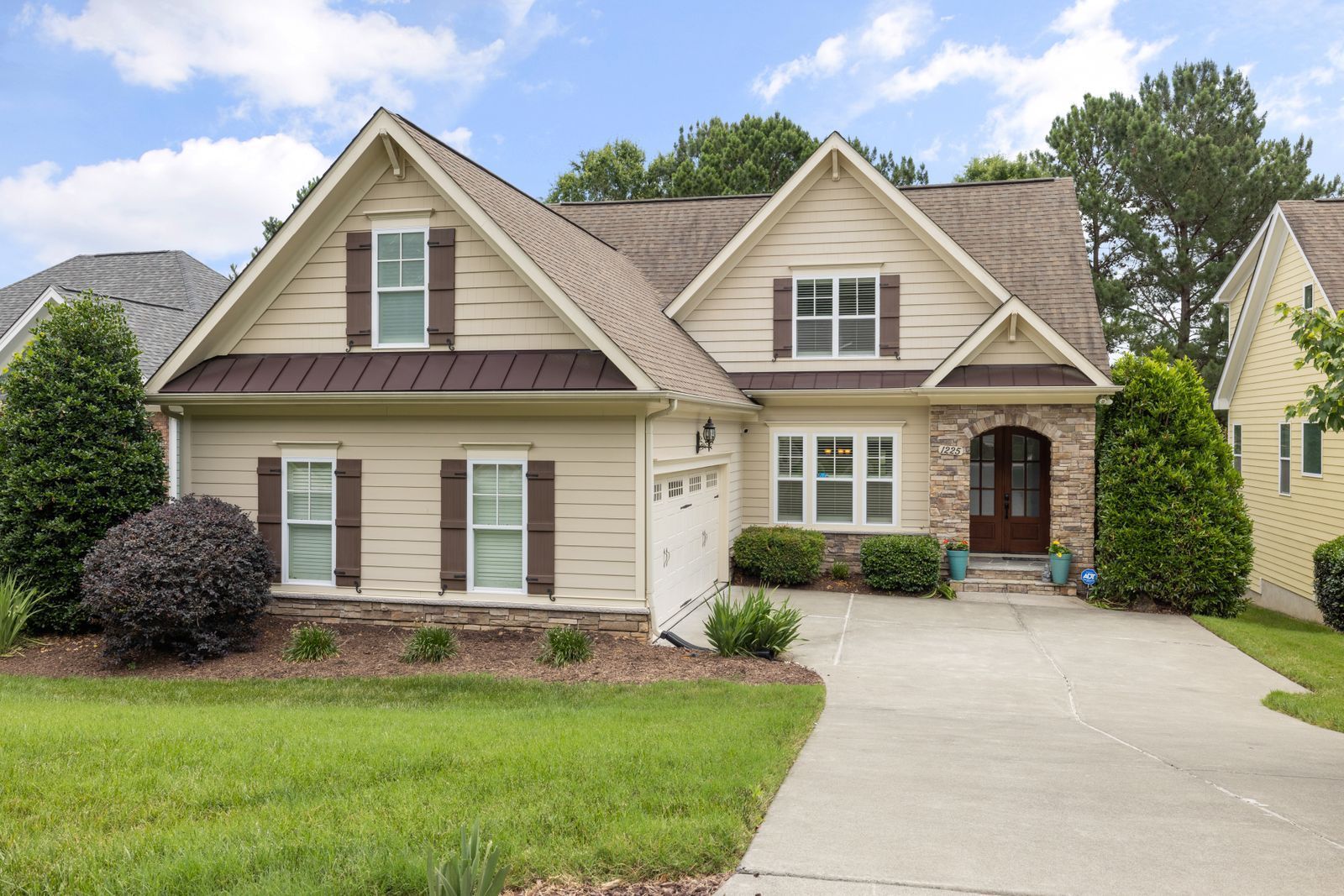
Illustrative stock photograph: Curtis Adams on Pexels, used under the Pexels License. The pictured property is provided as general landscaping context and is not presented as an ExploreRPM-managed property.
Contact ExploreRPM
Email: support@explorerpm.com
Phone: 512-865-4019
Blogs