


Rental Property HVAC Maintenance: An Owner Guide
Rental property HVAC maintenance combines an accurate equipment inventory, manufacturer-based care, qualified service, resident reporting, seasonal planning, and documented follow-up. Owners should assign responsibility, track unresolved findings, and verify completed work. Use equipment-specific instructions and current local guidance rather than a universal checklist or an assumed service interval.
Rental property HVAC maintenance: the owner's operating plan
A reliable heating and cooling plan starts before the next uncomfortable afternoon or cold night. The owner needs to know what equipment serves each space, who may work on it, how a resident reports trouble, and what evidence closes a repair. A calendar alone cannot answer those questions. Neither can a collection of invoices with no connection to the equipment they describe.
This guide organizes rental property HVAC maintenance as a practical management process. HVAC means heating, ventilation, and air conditioning, but a property's actual systems may include separate equipment with different responsibilities. A central cooling system, a gas furnace, a heat pump, a ductless head, and a bathroom exhaust fan should not disappear into one vague inventory entry called air conditioning.
The framework below is educational operating guidance for U.S. rental-property owners. It does not establish local compliance, prescribe technical service procedures, or replace equipment instructions. Use qualified professionals for diagnosis and equipment work. Check applicable housing requirements, access rules, permits, and agreements for the actual property. Do not use an administrative checklist to delay an urgent response or shift a legal obligation onto a resident.
What should a rental property HVAC maintenance plan include?
A rental property HVAC maintenance plan should connect an equipment inventory, manufacturer-based service instructions, qualified contractors, resident reporting, seasonal appointments, and documented follow-up. Assign each task to a responsible person and record its outcome. Review repeated problems as a pattern rather than treating every new complaint as an unrelated work order.
Think of the plan as a set of decisions that another responsible person could carry out if you were unavailable. Can that person identify the affected equipment without guessing? Can they reach an authorized provider? Do they know how to communicate with the resident and what spending authority applies? Can they distinguish a completed appointment from a resolved concern? Those questions reveal gaps more effectively than a long list of technical terms.
Begin with a simple property summary. List the address, unit identifiers, ordinary service contact, urgent contact route, equipment locations, and the person responsible for reviewing open work. Keep resident contact information in a protected operational record rather than a contractor handout distributed widely. Link the summary to equipment records and current instructions so an update does not require rewriting several inconsistent documents.
The most useful plan is specific enough to guide action and short enough at the point of use that someone can find the next step. Put detailed manuals and service reports behind the summary. A resident should receive clear reporting and safe-use information, while a technician receives equipment history and the actual complaint. Each audience needs different information, even though the underlying record should agree.
Build an equipment inventory that matches the property
Identify systems, components, and the spaces they serve
Give every system a stable identifier. For example, Building A, Unit 2, Cooling System 1 is more useful than upstairs AC when there are several upstairs rooms. Record the indoor and outdoor components together when they form a system, while preserving each component's model and serial number. Ask the servicing contractor to confirm the relationship if it is unclear. A photograph of an accessible identification label can reduce transcription errors.
Record what the system serves. A thermostat in one apartment does not necessarily mean that every nearby piece of equipment belongs to that apartment. Shared ventilation, common-area heating, and equipment controlled by an association can complicate responsibility. Establish those boundaries with the appropriate documents and qualified providers. A mistaken boundary can cause a service delay even when everyone responds promptly.
Include equipment type, fuel or energy source where applicable, model, serial number, location, installation information if known, filter location, approved filter specification, warranty documents, and service history. Mark missing information as unknown. Do not turn an estimate from a prior owner into a confirmed installation date. Distinguishing verified facts from assumptions helps later decisions about parts, warranties, and replacement.
An inventory also needs access information. Note whether equipment is behind a locked door, in a resident's living space, on a roof, or in a location requiring special access. Keep sensitive access details separate and share them only through an appropriate process. Do not ask a resident to enter an attic, climb to a roof, or open a mechanical compartment merely to complete the inventory.
Make the record useful during a service call
Arrange records so the dispatcher can answer three questions quickly: which system is affected, what happened previously, and what needs attention now. Attach the latest relevant report rather than sending a contractor years of unsorted invoices. Preserve older records, but summarize recurring symptoms and unresolved recommendations. A concise history lets the next technician investigate instead of reconstructing the property's past from fragments.
Suppose two systems have similar model numbers and one has a replacement thermostat. If an order says only check cooling, the provider may arrive with incomplete information. A better order names the system identifier, describes the reported behavior, notes the last repair, and identifies any known access limitation. This is not an owner diagnosis. It is a clearer handoff of observations and context.
Review the inventory after any equipment replacement or substantial change. Update the related components, manuals, filter specification, warranty information, and resident instructions. Archive the retired equipment instead of overwriting its history. Otherwise, an old service invoice can later appear to belong to the replacement system, making a new unit look older or more troublesome than it actually is.
Separate owner oversight from professional service
An owner's central responsibility in this framework is coordination: identify work, authorize the right provider, arrange lawful access, track completion, and respond to unresolved conditions. That does not require the owner to perform electrical, refrigerant, combustion, or internal mechanical work. The boundary should be explicit, especially when a maintenance employee or resident is eager to solve a problem quickly.
Use the equipment manufacturer's instructions and a qualified provider to define the permitted routine tasks. Accessible filter replacement may be straightforward for one installation and inappropriate for another. A filter behind difficult access or near hazardous equipment should not become a resident assignment simply because a lease uses broad language. Make task assignments realistic, documented, and consistent with the actual agreement and applicable law.
EPA explains that covered work that could release regulated refrigerants requires the appropriate Section 608 technician certification. Treat that credential as one relevant qualification, not a complete substitute for evaluating the contractor's license where required, insurance, experience, and suitability for the equipment. See the current EPA technician certification guidance when reviewing the provider's proposed scope.
Do not put resident troubleshooting instructions in a handout unless they have been reviewed for the specific equipment and conditions. Requests to bypass a safety control, open a panel, manipulate wiring, or add refrigerant have no place in an owner reporting process. When conditions appear dangerous, prioritize the property's emergency procedures and appropriate emergency or utility assistance rather than collecting more information for a routine ticket.
Write a responsibility table in ordinary language
A practical responsibility table has four columns: task, responsible person, evidence, and escalation. For scheduling a preseason visit, the responsible person may be the property manager, the evidence is a confirmed appointment and completed report, and the escalation is the owner when an unresolved recommendation needs funding. For a resident report, the evidence is an acknowledged ticket, with urgent conditions directed through the urgent route.
Do not confuse a task assignment with liability. Saying a resident may replace a specified accessible filter does not answer who bears a particular repair cost. Responsibility for charges can depend on facts, agreements, and law. Investigate the condition and obtain qualified findings before considering any allocation. Keep the maintenance response moving while that separate question receives appropriate review.
Assign a backup for the person who normally coordinates service. Give the backup access to current provider contacts and approval boundaries. The plan is incomplete if every decision waits for one owner to return a call. Even a small portfolio benefits from a written handoff describing what the backup may authorize and when they must seek further approval.
Create a calendar without inventing universal service intervals
A maintenance calendar should reflect the equipment, manufacturer instructions, climate, operating conditions, and professional recommendations. Avoid declaring that every property needs exactly the same visit schedule. A system used heavily year-round may need a different plan from equipment with a short operating season. The calendar should explain why a task is due, not merely repeat a date copied from an unrelated property.
ENERGY STAR recommends annual preseason contractor checkups, with cooling attention before the busy cooling season and heating attention before the busy heating season. Use that as a planning reference while confirming the appropriate scope for the actual equipment. Its maintenance checklist is a useful starting point for a discussion with the service provider, not a resident repair manual.
Work backward from the period when equipment reliability matters most locally. Allow time for scheduling, findings, authorization, parts, and a return visit if needed. An inspection scheduled immediately before heavy seasonal use may identify a problem without leaving much time to address it. The management advantage of early planning is the opportunity to make considered decisions rather than treating every recommendation as an immediate purchase.
Separate a due date from an appointment date and a completion date. A task can be due next month, scheduled this week, and completed later. Those are different facts. Add a next-action date when a visit produces an unresolved item. Without that field, a completed appointment can hide an incomplete repair, and the calendar can look healthy while the property still has a known problem.
Use seasonal review meetings as decision points
A seasonal review can be brief. Look at equipment with open recommendations, recurring complaints, unavailable parts, uncertain records, or access issues. Confirm which appointments are booked and which still need attention. Discuss the resident communication plan before providers begin calling occupants. This review is a management checkpoint, not a substitute for the technician's inspection.
After the season begins, compare the plan with actual reports. If several systems generate similar complaints, check whether the issue is a common equipment characteristic, an incomplete service scope, a communication problem, or a building condition that needs broader investigation. Do not assume the calendar failed merely because a breakdown occurred. A maintenance program manages foreseeable work; it cannot guarantee uninterrupted operation.
At the end of a season, record useful lessons while they are fresh. Which provider reports were clear? Which equipment labels caused confusion? Which visits required a second access appointment? Small administrative changes can improve the next cycle without changing the technical maintenance program. Keep the lessons specific so they result in an actual update rather than a vague instruction to do better.
How often should rental HVAC filters be checked?
Use the equipment instructions and qualified service advice to set filter checks and replacement. The right schedule depends on the filter, system, usage, and conditions. Record the approved specification, location, responsible person, and observed condition. Do not assume every filter lasts the same number of days or that a higher rating automatically suits the system.
A useful filter record begins with the actual installation. Confirm the dimensions, thickness, product type, airflow direction instructions, and compatible performance specification. A size printed on an old package may not prove the correct filter was installed. Have the provider confirm uncertain details and explain whether there are multiple filter locations. Keep the approved information with the equipment record and any resident handout.
Assign responsibility for purchasing as well as replacement. An instruction to change the filter is incomplete if nobody knows which product is approved or where it comes from. For properties where the owner supplies filters, track stock by specification rather than assuming all units use the same item. Label packages clearly enough that a substitute is not selected just because it fits approximately.
EPA's Guide to Air Cleaners in the Home discusses filtration as one part of indoor air quality. Filtration does not resolve every pollutant or moisture concern. Ask a qualified provider about system compatibility before changing filter specifications, and investigate reported air-quality concerns rather than treating a new filter as proof that the underlying problem is resolved.
Document results without turning checks into surveillance
A filter log can be simple: date, system identifier, specification, action, condition observed, and next review. Keep observations neutral. Filter visibly loaded is more useful than tenant neglected system unless reliable evidence supports a separate conclusion. Avoid collecting photographs of personal belongings when documenting a maintenance task. The record should explain equipment care, not become an unnecessary record of the resident's private life.
If a planned check is missed, find out why. The cause might be unclear instructions, unavailable supplies, inaccessible equipment, a scheduling failure, or an unrealistic assignment. Correct the process rather than assuming a reminder alone will solve the problem. Repeated missed tasks may justify changing who performs the work or how appointments are arranged.
When a provider changes the filter specification, update every place that information appears. Remove obsolete stock from the active supply area or clearly mark its remaining use. An outdated laminated instruction can outlast several equipment changes. Review resident materials and purchasing lists after service changes so the next routine task does not undo the technician's intended setup.
Give residents a clear and safe reporting route
Residents are often the first people to notice a change in comfort, noise, odor, airflow, or visible moisture. A useful reporting process makes it easy to share those observations without asking for technical diagnosis. Provide the ordinary reporting channel, an urgent contact route, and a description of the information that helps dispatch. Keep the language accessible and avoid jargon that makes residents feel they must identify a failed part before contacting anyone.
Ask for the affected room or unit, when the change began, whether it is continuous or intermittent, and any visible message on an accessible control. A resident may voluntarily provide a photograph from a safe location, but do not make evidence collection a condition of responding. Reports of unsafe conditions need attention even when the resident cannot provide a neat timeline or a complete form.
Explain what happens after a report. An acknowledgment should identify the next step, who will coordinate access, and how the resident can report a change in conditions. Avoid promising a completion time before the provider has assessed the work. A clear update such as appointment requested and confirmation pending is more useful than silence or an unsupported assurance that the system will be fixed immediately.
Do not minimize a concern because another room feels comfortable or the system was serviced recently. Those facts may help the technician but do not disprove the report. Preserve the resident's wording and separate it from the provider's findings. If a problem cannot be reproduced during one visit, record that limitation and define what happens if it recurs.
Use a reporting example that preserves uncertainty
Consider a resident who says the bedroom stays warm while the living room cools. The ticket should record the locations, timing, and reported pattern. It should not become refrigerant low unless a qualified diagnosis supports that conclusion. Ask the provider to investigate the complaint and document findings, including any limitations. A prematurely labeled ticket can narrow the investigation before the technician arrives.
After service, tell the resident what action occurred in understandable terms and how to report continued trouble. Avoid forwarding a technical report full of unexplained abbreviations as the entire response. Keep the original professional report in the property record while giving the resident a useful operational update. Communication should make the next step clear without claiming a result that has not been verified.
If language, disability, or another access need affects communication, arrange an appropriate method consistent with the circumstances and applicable obligations. A reporting process that works only for one communication preference can miss important information. Record the preferred contact method operationally and protect it like other resident information. Do not put sensitive personal details in a general equipment history.
Turn every service request into a complete work order
A good work order links the complaint, equipment, provider, access plan, authorization, and result. It should tell a contractor what to investigate while leaving diagnosis to the qualified person. Include known safety concerns and prior relevant findings. Avoid burying important limitations in a long email chain that the technician never receives.
Use a consistent structure: system identifier, reported concern, date reported, relevant history, access arrangements, authorized scope, spending contact, requested evidence, and follow-up owner. For a planned service visit, replace the complaint with the agreed maintenance scope. The record should distinguish inspection, routine service, diagnosis, repair, and replacement so an invoice for one is not mistaken for evidence of another.
Ask for findings in plain language alongside technical measurements where appropriate. The owner needs to know what was checked, what was found, what was changed, what remains uncertain, and what should happen next. A report that says serviced system may be too vague to support a later decision. Clarify the documentation expectation before the visit rather than trying to reconstruct it after payment.
Give the provider an approval route for additional work. A technician who finds a problem should know whom to call and what information is needed for authorization. Avoid a system where the resident is pressured to approve owner expenses or the technician must guess whether an email reply authorizes a major purchase. Written boundaries reduce confusion for everyone.
Track status with meaningful words
Suggested status labels include received, appointment pending, scheduled, diagnosis complete, awaiting authorization, awaiting parts, repair complete, and follow-up pending. Choose only the labels you will actually maintain. The purpose is to show the next action and responsible person. Too many status choices can become an administrative burden without improving decisions.
Do not close a ticket merely because an invoice arrived. Review the report, unresolved recommendations, and any promised return visit. Confirm that the documented work addresses the reported concern or clearly explains why further investigation is needed. An invoice is evidence of a charge; it is not automatically evidence that comfort, operation, and communication have all been restored.
For intermittent problems, keep the ticket open or create a linked follow-up with a defined review date. Preserve the original chronology. Reopening the same issue without a link can make one continuing problem look like several unrelated calls. That weakens replacement decisions and makes it harder to evaluate whether a prior action actually helped.
Prepare for loss of heating or cooling
Have a response plan before equipment stops working. Identify the urgent contact route, backup provider, decision authority, and process for assessing resident needs and property conditions. Local requirements and the actual circumstances control response obligations; this article does not supply a universal repair deadline. Obtain current local guidance rather than importing a deadline from another jurisdiction.
The first operational question is whether the report involves a potentially dangerous condition. A report of smoke, suspected gas, an alarm, or another immediate hazard should follow appropriate emergency procedures and emergency or utility guidance. Do not keep a resident on a routine troubleshooting script while a dangerous condition may be present. The maintenance record can be completed after immediate safety needs are addressed.
For an outage without an identified immediate hazard, gather enough information to dispatch appropriately and evaluate urgency. Consider current conditions, affected spaces, expected service availability, and any information the resident chooses to share about special needs. Avoid assumptions based only on a thermostat display or the outdoor temperature. Have a responsible person review the situation rather than relying entirely on an automated ticket category.
Any temporary equipment or accommodation plan requires its own review. Portable devices are not universally suitable, and electrical capacity, installation instructions, ventilation, building rules, and local obligations matter. Do not improvise with fuel-burning appliances or unsafe electrical arrangements. Use qualified advice and communicate the limits of any temporary measure clearly.
Keep a contingency contact sheet current
List the primary HVAC provider, a verified backup, the utility emergency contact where relevant, property access coordinator, and owner approval contact. Verify the backup's actual service area and availability before an outage. A name copied from an old invoice is not a confirmed emergency resource. Keep the sheet available to the person who handles calls outside ordinary business hours.
Record what the backup may receive: equipment identifiers, relevant history, access arrangements, and the current concern. Share personal information only as needed. A rushed emergency handoff should still preserve the distinction between a reported symptom and a confirmed diagnosis. Accurate context helps the backup act without assuming the first provider completed work that remains pending.
After the event, review the response separately from the mechanical failure. Was the call acknowledged? Did the provider receive the right location? Was access delayed by an avoidable record problem? Were updates clear? These questions can improve the process even when the equipment failure itself could not reasonably have been predicted.
Manage service contracts by scope, not by label
A maintenance agreement can simplify scheduling, but the word plan does not explain what the owner is buying. Compare the equipment covered, visit frequency, inspection and cleaning scope, documentation, excluded work, response terms, renewal conditions, and cancellation provisions. Ask how additional repairs are priced and authorized. A low advertised fee may cover a narrower service than the property needs.
Confirm whether every system is listed correctly. Shared equipment, ductless heads, auxiliary heating, and ventilation components can be missed when an agreement is based on an informal equipment count. Require a clear schedule of covered assets. If the provider excludes a component, decide how its maintenance will be handled rather than assuming someone else has included it.
Ask what priority service means in practice. It may refer to call placement rather than a guaranteed arrival or repair time. Parts availability and conditions can affect completion even when a provider responds promptly. Read the terms and avoid presenting a contract benefit to residents as a promise stronger than the provider actually makes.
Review the first completed visit against the agreement. Did the report identify each covered system? Were findings understandable? Were recommendations separated from completed work? A contract that looks clear at purchase may still produce poor records. Address those gaps early so the agreement becomes a working service process rather than a recurring payment with uncertain value.
Evaluate providers with relevant evidence
Check qualifications appropriate to the location and scope, insurance information, experience with the actual equipment, and the ability to provide useful documentation. Ask who performs the work and how technical questions are escalated. A professional sales presentation is not the same as a clear field-service report. Evaluate the deliverable that will support your future decisions.
Keep a provider review factual. Note appointment reliability, communication, report completeness, repeat visits, and how unresolved concerns were handled. Do not assume every return call indicates poor work; some problems require staged investigation or parts. The useful question is whether the provider explains the situation, follows through, and documents the result.
When changing providers, preserve the equipment history and pending recommendations. Ask the new provider to review unresolved issues without treating the prior diagnosis as automatically correct or incorrect. Give them the evidence and invite an independent assessment within the agreed scope. This avoids losing valuable history while preserving professional judgment.
How should owners compare HVAC repair and replacement?
Compare documented condition, repair history, complete project scope, expected support, and practical disruption. Obtain qualified findings and itemized options. Avoid a universal age rule or a fixed repair percentage that ignores the property. Explain the chosen action, its assumptions, remaining risks, and the follow-up needed to judge whether it worked.
A repair quote and a replacement quote should answer comparable questions. A replacement equipment price may exclude installation work, electrical changes, controls, permits, disposal, access preparation, or finishing work. A repair quote may omit a second known issue. Ask for the complete scope and exclusions before comparing totals. Otherwise, the cheaper option may simply be the less complete description.
Age is context, not a diagnosis. An older system with documented service and available support differs from one with unknown history and repeated unresolved failures. A newer system can also have a significant installation or component problem. Ask the provider to explain the evidence behind a recommendation rather than relying only on a broad lifespan claim.
Consider the resident experience and scheduling implications alongside direct cost. A planned replacement with coordinated access is different from repeated outages and uncertain parts. That does not mean replacement is always justified. It means the decision record should capture operational consequences that are easy to overlook when comparing only today's invoice amounts.
Use a written decision note
A decision note can fit on one page. State the problem, evidence reviewed, options, included scope, exclusions, quoted cost, timing, selected action, and next review. Mark estimates as estimates. If a provider cannot predict whether a repair will resolve every symptom, preserve that uncertainty. A candid note is more useful than a confident statement unsupported by the available diagnosis.
For example, one option might repair a diagnosed component while leaving a separate airflow concern for investigation. Another might replace equipment but still exclude duct modifications. Those options are not equivalent solutions to the same complete problem. Ask what each action is expected to resolve and what it will not address. Record the answer before authorization.
After completion, compare results with the decision note. Did the work deliver the agreed scope? Were additional conditions discovered? Is a follow-up measurement or visit pending? Use the outcome to improve future decisions without pretending that a single case proves a universal repair policy. Property maintenance benefits from evidence accumulated carefully over time.
Build a budget that separates predictable work from uncertainty
Use three planning categories: scheduled service, known corrective work, and reserves for uncertain future needs. Scheduled service includes agreed visits and routine supplies. Known corrective work includes diagnosed items awaiting authorization or scheduling. Reserves address future events that are not yet scoped. Keeping these categories separate prevents a known problem from disappearing into a vague contingency amount.
Build the budget from the actual equipment inventory and current proposals. Do not multiply a generic online maintenance price by the number of properties and call the result a verified budget. Equipment type, access, local labor, contract scope, and condition can change the amount. Document the assumptions and refresh them when the provider or equipment changes.
Track committed costs as well as paid costs. An approved repair awaiting parts is still a financial commitment. A service agreement with future visits also affects planning even if invoices arrive later. Owners who look only at cleared payments can underestimate work already authorized and then feel surprised when the scheduled bills arrive.
Keep maintenance budgeting separate from tax classification. Whether a particular expenditure is treated as a repair, improvement, or another category for tax purposes requires appropriate professional review of the facts and current rules. Organize invoices and scopes so your adviser can evaluate them. Do not label an expense deductible merely because the work order uses the word maintenance.
Illustrative budget exercise
Suppose an owner has a written annual service proposal of $600, a diagnosed repair quote of $450, and chooses an illustrative $950 reserve contribution. The planning total is $2,000. These are invented numbers for arithmetic, not market prices or recommended reserve amounts. The value of the exercise is the separation: $600 planned service, $450 known work, and $950 for uncertainty.
If the repair expands after additional diagnosis, update the known-work category and explain the change. Do not quietly reduce the reserve to preserve the original total unless the owner consciously chooses that funding decision. A budget should make changed assumptions visible. Otherwise, an apparently stable annual number can hide a growing exposure.
For several properties, maintain equipment-level detail behind a portfolio summary. This lets the owner see both total cash needs and the systems driving them. A single average can hide one property with significant pending work. Review the outliers and their evidence rather than assuming every property should receive the same budget because they have similar rents.
Use utility information carefully
Utility bills can provide context, but a higher bill does not identify a failed HVAC component or prove resident misuse. Billing periods, weather, rates, occupancy, other appliances, and meter arrangements can affect comparisons. Where the owner lawfully has relevant data, preserve the original bill and note what is known. Treat an unusual change as a reason to ask questions, not a diagnosis.
If a provider recommends work based on energy use, ask what evidence connects the recommendation to the equipment. Distinguish a measured condition from an estimated opportunity. Do not promise savings that have not been established for the property. A projected reduction depends on assumptions, and the owner should understand those assumptions before presenting the project as self-funding.
When residents pay utilities, respect their information and privacy. Do not require broad account access merely because you are investigating comfort. Ask for relevant information through an appropriate process when needed, and explain why it helps. A resident's willingness to share a bill should not become an implied waiver of other privacy expectations.
After a project, compare like periods cautiously and record limitations. A lower bill may reflect milder weather or changed occupancy, while a higher one may coexist with improved equipment performance under different conditions. Use professional measurements and documented service results alongside any bill comparison. Avoid turning a rough before-and-after observation into a guaranteed savings claim.
Keep ventilation and moisture concerns visible
Heating and cooling equipment is only part of a property's indoor environment. Ventilation equipment, building leaks, drainage, occupancy patterns, and other conditions may affect comfort and moisture. Do not assume every odor or damp area is an air-conditioner problem. Route the concern to an appropriate qualified assessment and link related findings across work orders when several systems may be involved.
For a visible moisture report near HVAC equipment, document the location and timing from a safe position, arrange appropriate investigation, and address urgent property risks. Do not instruct residents to dismantle drains, open equipment, or apply chemicals. A technician's diagnosis should distinguish the observed condition from possible causes and describe any further work outside the HVAC scope.
EPA notes that air cleaning complements source control and appropriate ventilation rather than replacing them. That distinction matters when an owner receives a proposal for a filter or portable air cleaner as the answer to every complaint. Ask what problem the proposal addresses and what investigation remains necessary. Equipment purchases should follow a defined need, not serve as a substitute for understanding the report.
Maintain a clear boundary between an operational record and a health conclusion. Record reported concerns respectfully and obtain appropriate professional advice. Do not claim that a maintenance visit proves the property is free from every indoor-air hazard. Equally, do not label a condition with a technical or medical diagnosis that the available evidence does not establish.
Coordinate work across trades
A recurring stain may involve HVAC drainage, plumbing, roofing, or another source. If one provider says the cause is outside their scope, ask for the observed evidence and recommended next assessment. Assign a coordinator so the resident is not left to manage disagreement among trades. Keep each professional finding distinct while building one chronology of the concern.
When multiple providers are involved, describe the unresolved question clearly. For example, water was observed at this location after this reported event; the source remains unconfirmed. This is more useful than circulating competing guesses as facts. The next provider should know what has already been checked and what evidence would help resolve the uncertainty.
Close the combined concern only when the relevant work and follow-up are addressed or a documented plan remains active. A completed HVAC ticket does not necessarily close a separate building repair. Link the records so an owner reviewing one invoice can see that another action is still pending. Coordination is often the difference between a neat file and a resolved problem.
Plan access with residents and providers
Access planning is part of maintenance quality. Confirm applicable notice and entry requirements, coordinate the appointment, and explain which areas need access. Do not rely on a generic scheduling message when the provider needs a mechanical closet inside a bedroom or a locked common area. Accurate access information helps avoid missed visits and unnecessary disruption.
Ask the provider about expected duration, work area, and any preparation that is reasonable and appropriate. Relay useful information without asking residents to perform hazardous preparation. If equipment access is obstructed or unsafe, arrange a suitable response rather than telling the technician or resident to improvise. Record the limitation and the person responsible for resolving it.
Keep key and access-code handling controlled. Share only what the provider needs for the authorized visit and use the property's established security process. A work order should not become a permanent repository of unrestricted access credentials. Review access arrangements when providers or staff change, and avoid copying sensitive details into broad email chains.
If an appointment fails, document why factually. Provider did not arrive, resident requested rescheduling, and entry requirements were not met are different circumstances. Correct the actual problem and communicate the next step. Do not let a failed access attempt close a necessary repair without a review of the outstanding condition and any applicable obligations.
What evidence should close an HVAC work order?
Close an HVAC work order when the completed scope, professional findings, remaining recommendations, and resident update are documented. Link any unresolved issue to a responsible person and next action. Payment, an appointment attendance note, or a brief statement that the unit runs does not by itself establish that the original concern was resolved.
Use a closure checklist that matches the job. For scheduled service, confirm the listed equipment and agreed scope. For a repair, confirm the diagnosis, action, and reported operational result. For replacement, collect the installed equipment identifiers, startup or commissioning documentation appropriate to the project, warranty materials, permits and inspections where applicable, and updated instructions. Ask the qualified provider what evidence the particular project should produce.
Review unresolved recommendations before marking the record complete. A recommendation can be accepted, declined with a documented reason, scheduled, or sent for additional evaluation. It should not disappear because the invoice has been filed. If an owner declines work, preserve the advice received and the decision without rewriting the professional finding to make the file appear cleaner.
Resident follow-up should be proportionate and clear. Ask whether the reported behavior continues and provide the route for recurrence. Do not ask a resident to certify technical safety or waive future concerns. Their experience is useful evidence about comfort and operation, while professional verification remains the provider's role within the agreed scope.
Handle incomplete documentation
If a report is vague, request clarification promptly while the visit is still fresh. Ask which system was serviced, what was found, and what remains. Avoid silently filling gaps with assumptions. A note that clarification is pending is more honest and useful than converting an ambiguous invoice into a detailed service history that nobody actually supplied.
Set expectations for future reports in the provider agreement or work order. Repeatedly chasing the same missing information indicates a process problem. Explain the minimum fields needed and assess whether the provider can deliver them. Documentation should be useful and proportionate, but equipment identity and unresolved findings are basic management information.
Keep the original report when adding a summary. A summary helps scanning, while the original preserves wording, measurements, and limitations. Date any correction and identify its source. Do not overwrite a prior finding without a record of the update. A trustworthy history shows how understanding changed as more information became available.
Use turnover to verify the plan, not reset the history
Turnover offers an opportunity to reconcile the equipment inventory, review access, replace outdated instructions, and address pending recommendations. It should not erase the system's service history or become the only time equipment receives attention. A vacant period may simplify some work, but maintenance needs and resident reports continue during occupancy.
Before new occupancy, confirm that the records match the installed equipment and that the reporting information is current. Review the thermostat instructions, approved filter information where relevant, and provider contacts. Do not hand the next resident a generic brochure for a different system. Small mismatches can create confusion that appears later as an avoidable service call.
Ask a qualified provider to assess any unresolved operating concern rather than assuming a quiet vacant home proves normal performance. Conditions during a short visit may differ from ordinary occupancy or heavy seasonal use. Record the scope and limitations of any check. A turnover checklist should reflect what was actually observed and tested, not imply a comprehensive technical certification.
If equipment is replaced during turnover, finish the records before filing the project away. Photograph accessible labels, store manuals, document warranties, update filter purchasing information, and remove obsolete instructions. Confirm any required approvals and close remaining contractor items. The next service call should begin with the new system's correct identity rather than the retired unit's paperwork.
A practical first-month setup sequence
Week one: establish the baseline
Gather existing equipment records, invoices, manuals, contracts, and open complaints. Create stable system identifiers and mark missing information. Confirm the ordinary and urgent reporting routes. You do not need to solve every uncertainty immediately, but you do need a visible list of what remains unknown. Prioritize active concerns and any identified safety issue over administrative completeness.
Contact the current provider to reconcile the inventory and pending recommendations. Ask for clarification of ambiguous reports. Review whether the existing agreement covers all systems and whether the named contact still serves the property. Build a short action list with a responsible person and next date for each item. Keep the baseline manageable enough that it can actually be maintained.
Week two: define scope and responsibility
Use equipment instructions and qualified advice to establish planned service tasks and permitted routine care. Confirm filter specifications and access arrangements. Write the responsibility table and identify a backup coordinator. Review resident materials for accuracy, clarity, and consistency with actual obligations. Avoid adding technical instructions simply to make the handout look comprehensive.
Review approval boundaries and provider documentation requirements. Decide how additional findings reach the owner and how unresolved work stays visible. A simple shared task list may be sufficient if access is controlled and updates are reliable. Choose tools based on the process you need, not on the assumption that software automatically creates accountability.
Week three: schedule and communicate
Book the appropriate planned visits and coordinate required access. Send residents clear information about reporting and scheduling. Verify the backup provider and update the contingency contact sheet. Address known corrective work according to its urgency and scope. Do not postpone an active problem merely to fit the calendar's administrative sequence.
Check that each appointment has the correct system information and requested evidence. Ask the provider to confirm unusual access or equipment conditions before arrival. Review upcoming approvals so decisions do not stall while a technician waits on site. The aim is a clear handoff, not a large packet of irrelevant background.
Week four: review results and adjust
Review completed reports, pending recommendations, costs, and resident updates. Compare the actual workflow with the intended one. Fix unclear labels, missing fields, or unrealistic assignments. Set the next review date for unresolved work. A maintenance program becomes reliable through these small corrections rather than through a one-time effort to create a perfect binder.
At the end of the month, another responsible person should be able to locate equipment information, identify open work, contact an appropriate provider, and understand the next action. If they cannot, simplify the record structure and clarify ownership. The test is practical usability during a real service need, not the number of pages in the plan.
Common management mistakes and better alternatives
One mistake is treating all comfort complaints as the same failure. Preserve the reported pattern and ask for investigation rather than selecting a diagnosis from a familiar prior repair. Another is accepting a generic service note as a complete history. Require system identity and findings so later decisions rest on evidence instead of memory.
A third mistake is assuming a maintenance agreement eliminates the need for oversight. The owner still needs to verify covered equipment, scheduled visits, reports, and open recommendations. A fourth is using equipment age as the entire replacement policy. Review condition and complete options. Administrative shortcuts may feel efficient while removing the facts needed for a sound decision.
A fifth mistake is making residents responsible for technical troubleshooting. Give them a safe reporting route and clear ordinary-use information. A sixth is closing work when payment is made. Review the outcome and any pending action. A seventh is leaving obsolete instructions in place after equipment changes. Update the records that people actually use, including supply lists and resident handouts.
Finally, avoid claiming success from a tidy calendar alone. Useful measures include open recommendations with owners, repeat concerns with linked histories, completed visits with readable reports, and current equipment records. These are operational indicators, not guarantees of reliability. Review them alongside actual conditions and qualified findings to decide what the property needs next.
Worked example: one recurring complaint across three visits
Imagine a small rental home with one central system and a resident who reports weak cooling late in the day. This example is fictional and illustrates record management, not a diagnosis or recommended technical procedure. The owner opens a ticket with the system identifier, the resident's description, and the time pattern. The first provider visit occurs in the morning, when the reported condition is absent.
The provider documents the visit and its limitations. Instead of closing the concern as no problem found, the coordinator asks what additional investigation would be useful and schedules the agreed next step. The resident receives an update explaining that the symptom was not reproduced and remains under review. The owner preserves the original description rather than replacing it with the morning visit's different conditions.
During a second appointment, the provider identifies a condition and proposes a defined repair. The owner requests an itemized scope and asks whether the action is expected to address the entire complaint. The report explains that the repair addresses one diagnosed problem while another question remains open. Authorization records that distinction. Nobody tells the resident that every concern is resolved before the work is complete.
After the repair, the resident reports improvement but continued discomfort in one room. The coordinator links that report to the original concern and sends the updated chronology to the provider. The third visit investigates the remaining issue under a separate agreed scope. The file now distinguishes an initial limited observation, a diagnosed repair, and continued investigation. It does not merely show three invoices labeled AC service.
At the owner review, the total number of visits is useful context but does not automatically prove replacement is necessary or that prior work was ineffective. The decision depends on the findings and results. The owner can see what each visit established, what each payment purchased, and what remains uncertain. That is a much stronger basis for requesting a second opinion or comparing further options.
The same chronology also improves communication. The resident does not have to retell the entire story to every new person, and the contractor can distinguish a recurring symptom from a new concern. The coordinator remains responsible for the next action rather than sending the resident back and forth among providers. Clear records reduce confusion without pretending that administration alone solves the mechanical issue.
Questions to ask at the next monthly review
Choose a small sample of recent work orders and follow each from report to closure. Can you locate the original concern, the correct equipment, the professional findings, the authorization, and the final update? If any link is missing, identify the process change that would prevent the same gap next time. Review the record as another responsible person would, without relying on your own memory of the calls.
Then review the oldest open recommendation and the most frequently reported concern. Ask who owns the next action and whether the proposed date still makes sense. An item can remain open for a legitimate reason, but that reason should be explicit. Parts pending, owner decision pending, and additional diagnosis pending require different follow-up. A single overdue label cannot explain all three.
Finally, check one recently replaced system against the inventory and resident instructions. This spot check can reveal obsolete filter information, missing manuals, or an old provider contact before the next service need. Keep the review proportionate to the portfolio. The objective is a reliable operating habit that exposes gaps early, not an audit so elaborate that nobody repeats it.
Key takeaways for rental owners
- Identify each system and connect it to the spaces, components, records, and people it serves.
- Base service tasks on actual equipment instructions and qualified advice, with clear boundaries around resident and owner work.
- Use seasonal planning to leave time for findings, decisions, parts, and follow-up.
- Record symptoms without turning observations into unsupported diagnoses.
- Keep unresolved recommendations visible after appointments and invoices are complete.
- Compare repair and replacement using complete scopes and documented assumptions.
- Update instructions, inventory, and access arrangements whenever equipment or providers change.
Rental property HVAC maintenance works best as a continuous operating process: observe, document, assign, service, verify, and learn. Start with accurate identities and a clear reporting route, then build the calendar and budget around the actual equipment. The goal is a property record that supports timely decisions and clear communication when conditions change.
Frequently asked questions
Does this checklist establish compliance with landlord or HVAC requirements?
No. This is an educational management framework. Requirements depend on location, equipment, work scope, agreements, and circumstances. Obtain current guidance from the appropriate local authority and qualified advisers. Keep permits, inspection records, and professional findings where applicable. A completed owner checklist does not replace legal review, required approvals, or a qualified technical assessment.
Can residents perform every filter change?
That depends on the installation, safe access, equipment instructions, actual agreement, and applicable obligations. Do not assign a task merely because it sounds routine. Confirm the approved filter and permitted procedure with a qualified provider. If access is difficult or hazardous, arrange an appropriate person to do the work and provide residents a clear reporting route.
Does an annual service visit guarantee the system will not fail?
No. A visit can document condition and complete an agreed scope, but it cannot guarantee uninterrupted operation. Review what was checked, what was found, and what remains recommended. Keep a response plan and backup contact available. Treat later symptoms as new information requiring attention rather than dismissing them because maintenance was recently completed.
Should an owner approve a refrigerant addition without further questions?
Ask the qualified provider to explain the diagnosis, proposed scope, relevant findings, and expected follow-up. Do not direct unqualified people to handle refrigerant or assume an addition resolves every reported symptom. Keep the professional report and authorization with the system record. Appropriate credentials and current requirements must be considered for the actual work.
What if the technician cannot reproduce the complaint?
Document the visit's conditions and limitations while preserving the original report. Ask what further safe observations or professional investigation would be useful. Give the resident a clear route to report recurrence and assign a follow-up owner. An intermittent concern is not disproved merely because the symptom was absent during one appointment.
Is replacement always better after several repair calls?
No universal rule fits every system. Review whether the calls concern one unresolved issue or separate conditions, then compare qualified findings, complete repair and replacement scopes, support, timing, and disruption. Record assumptions and remaining uncertainty. Repeated calls justify a careful review, but the count alone does not establish the best technical or financial choice.
Can a small owner manage this without specialized software?
Yes. Start with a protected equipment list, organized document folders, current contact information, and a task list showing responsible people and next actions. Use stable identifiers and link related reports. Review open work regularly. Specialized software may help as complexity grows, but accurate information and consistent follow-through are the foundation of the process.
Put the plan into practice
Choose one property and reconcile its equipment list with the latest service report. Identify the most important missing fact, confirm the next appropriate appointment, and give every unresolved recommendation a responsible person. If you would like to discuss organizing property-management communication and maintenance records, contact ExploreRPM to ask about your property's needs and available support.
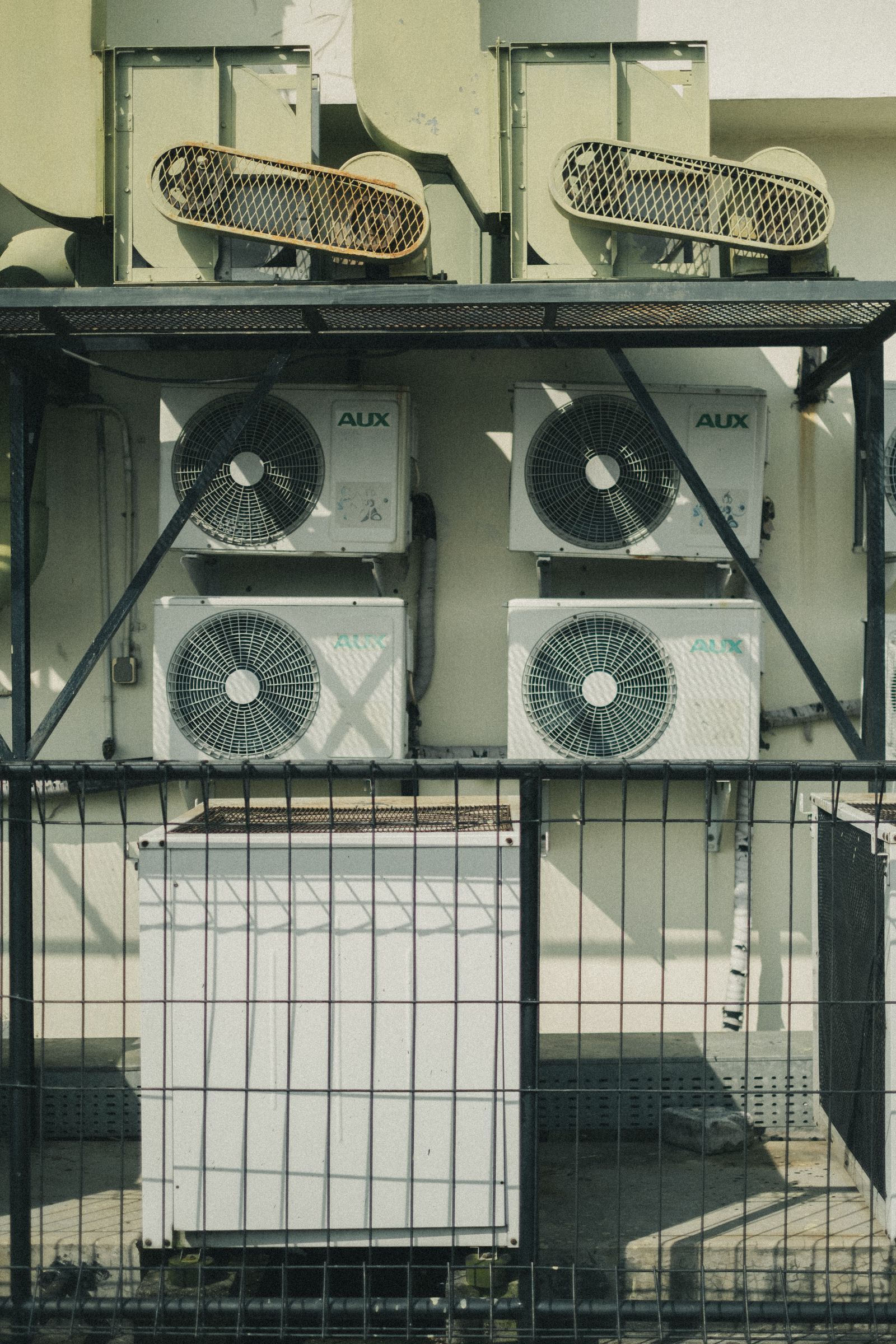
Illustrative stock photo: Lutfi Elyas on Pexels, used under the Pexels License. The image illustrates exterior air-conditioning equipment and does not depict an ExploreRPM property or imply endorsement.
Contact ExploreRPM
Email: support@explorerpm.com
Phone: 512-865-4019
Blogs